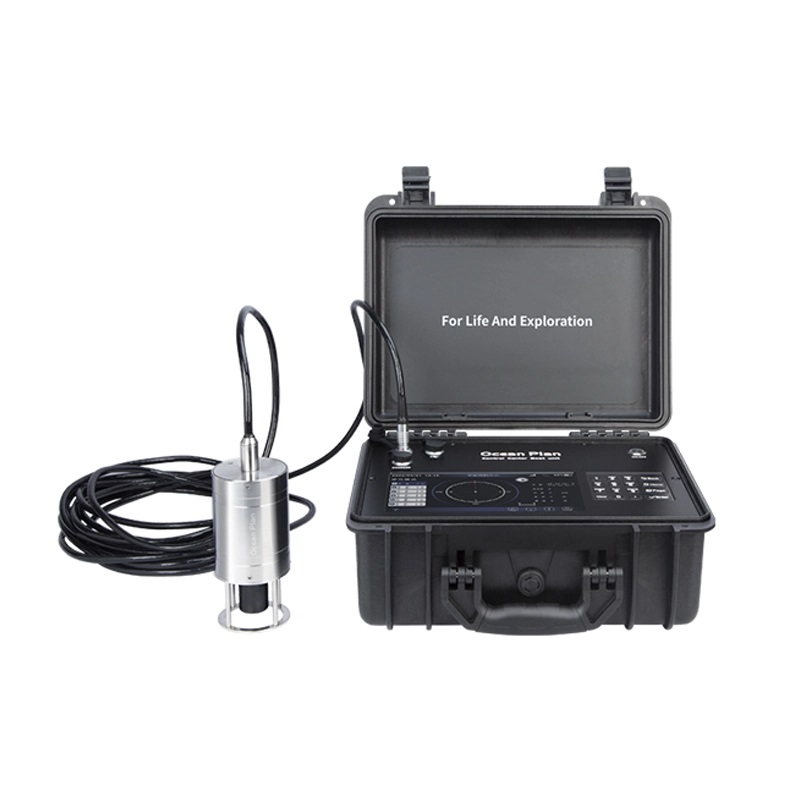
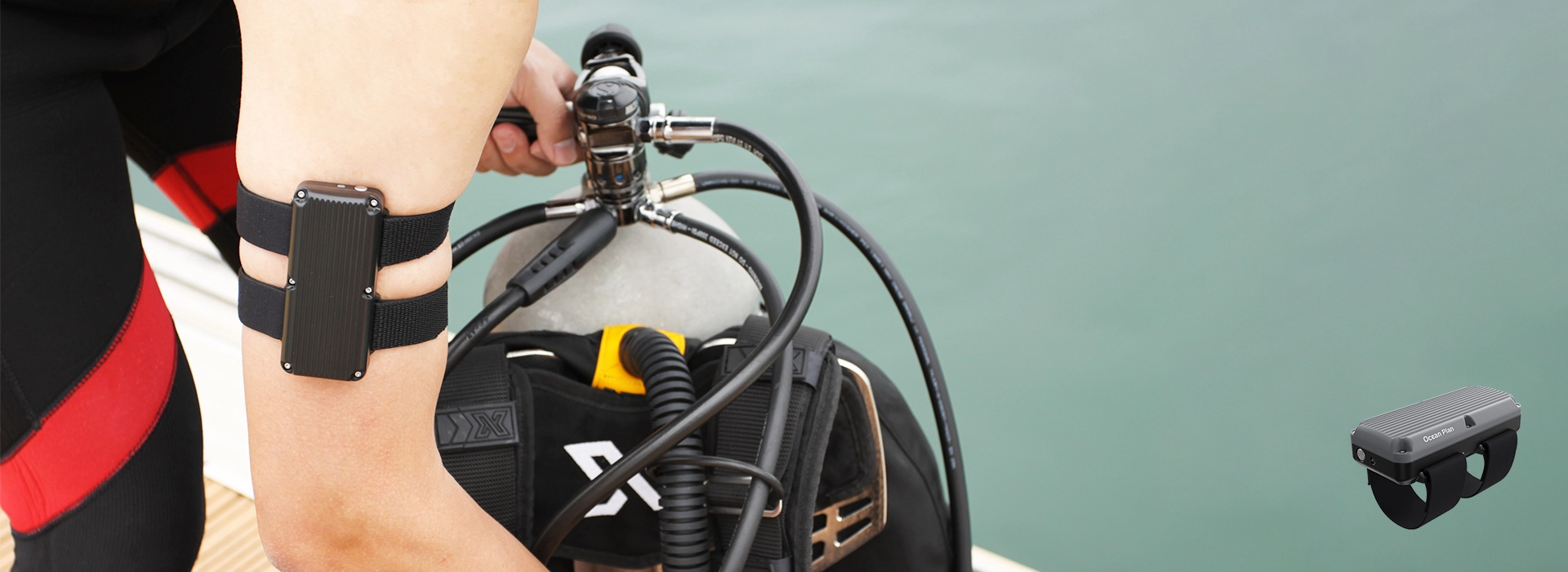
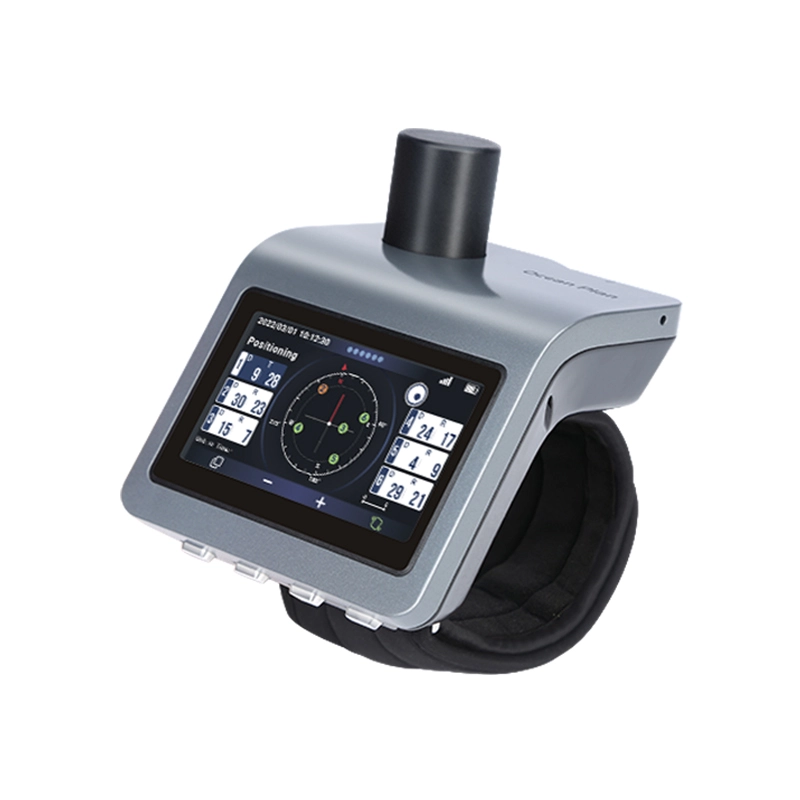
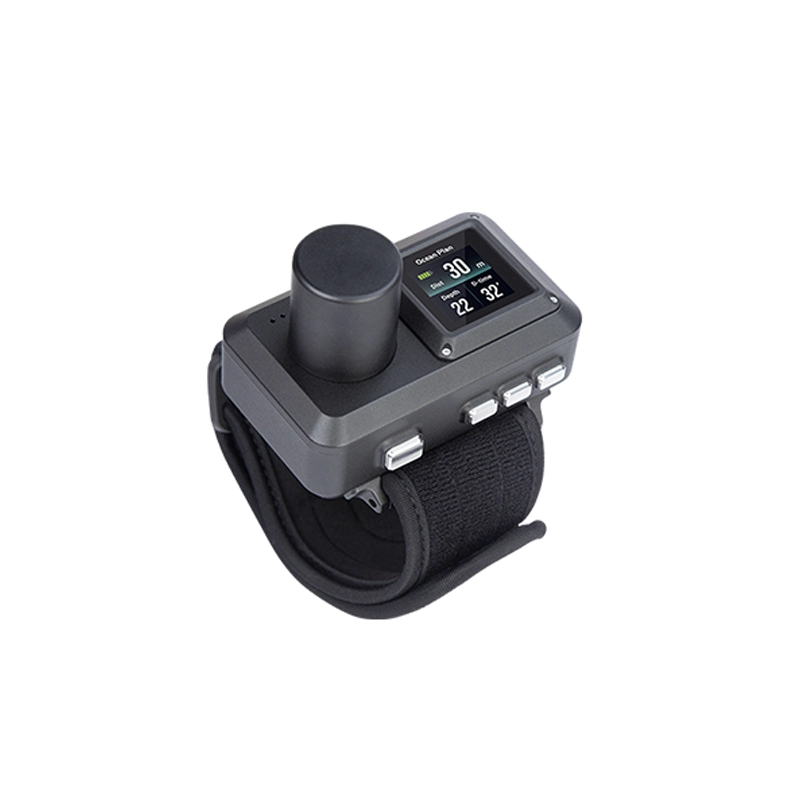
In underwater operations, precision and situational awareness can mean the difference between success and failure. An underwater positioning system is a critical innovation that enables divers, remotely operated vehicles (ROVs), and underwater teams to determine their exact location in real time. Unlike on land or in the air, GPS signals cannot penetrate water, making traditional navigation tools ineffective.
To overcome this challenge, underwater positioning relies on acoustic signals, sensors, and real-time data processing to provide accurate location tracking. For industries such as emergency response, marine research, and underwater engineering, this technology ensures that every movement is calculated, every position is traceable, and every mission is completed safely. Companies like Ocean Plan have been developing cutting-edge underwater communication and positioning solutions to enhance visibility, coordination, and efficiency under the most demanding aquatic conditions.
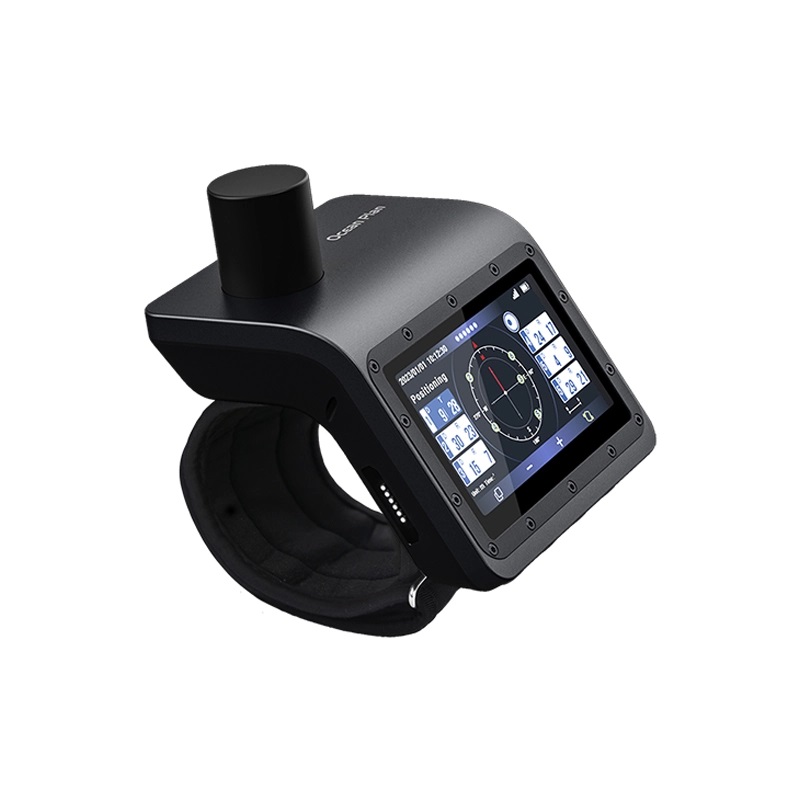
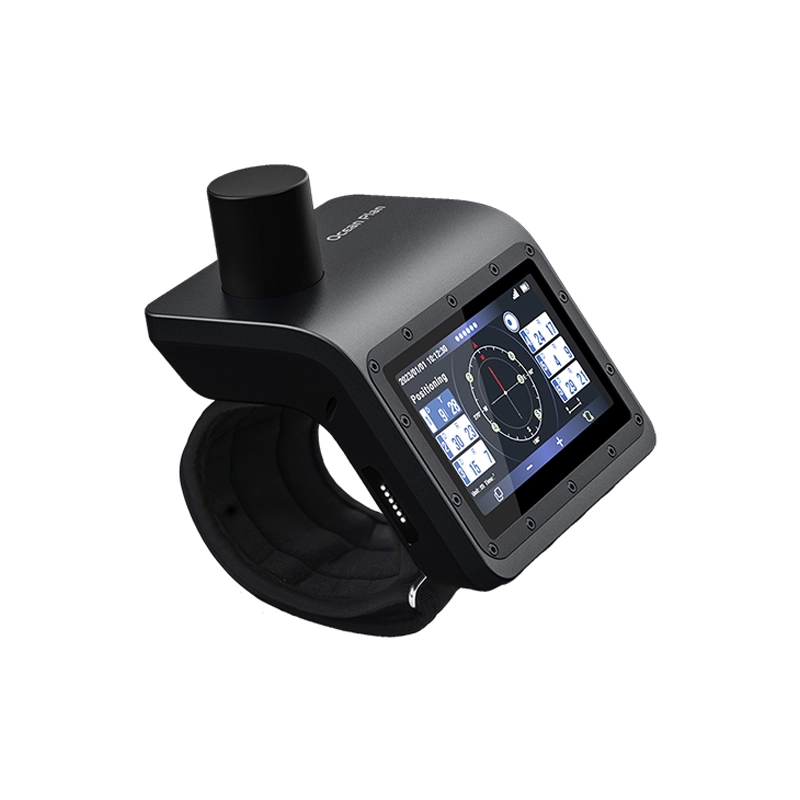
Safety is the cornerstone of any underwater mission. An underwater positioning system helps divers and surface teams maintain constant awareness of their relative positions, even in zero-visibility or turbulent water. This technology reduces the risks of disorientation and separation, which are common in deep or murky environments. The system continuously tracks each diver's coordinates, sending real-time updates to surface control units, allowing for instant response if a diver deviates from a safe range. For rescue teams, it ensures quick location and retrieval operations. Ocean Plan's innovations in underwater communication and positioning create an integrated network where every diver, instrument, and command center functions as part of a synchronized ecosystem. This seamless connection not only enhances safety but also boosts the efficiency and accuracy of underwater inspections, research, and public safety diving.
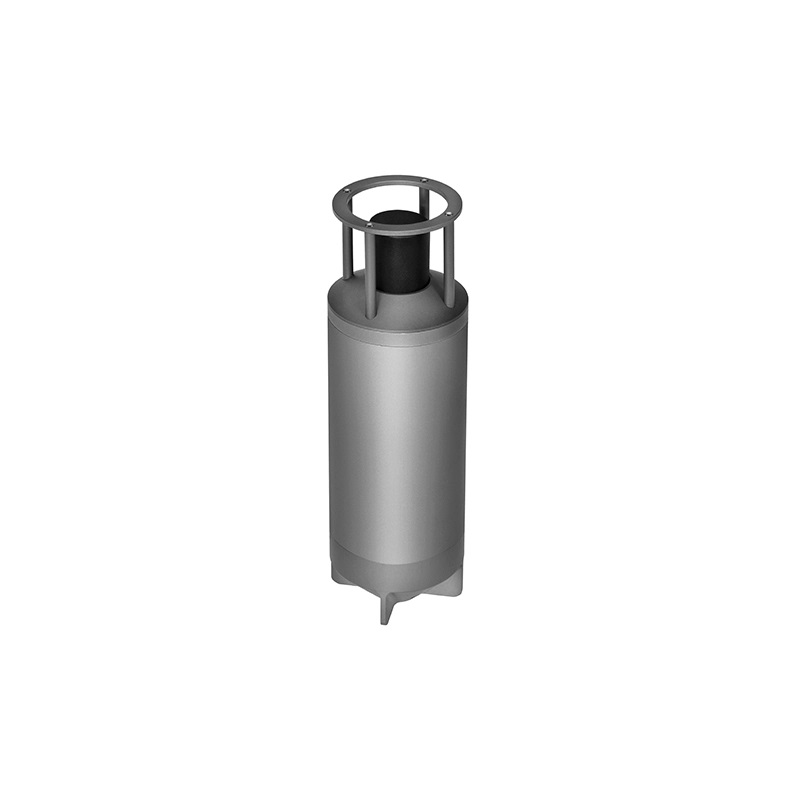
Feature | GPS System | Underwater Positioning System |
Signal Medium | Uses radio waves | Uses acoustic signals |
Environmental Suitability | Effective on land and air | Effective underwater environments |
Accuracy Underwater | Not functional below water | High accuracy even at depth |
Primary Users | Navigation, vehicles, smartphones | Divers, ROVs, marine researchers |
Key Advantage | Global accessibility | Reliable real-time tracking underwater |
While underwater GPS technology revolutionized terrestrial navigation, it cannot operate beneath the water's surface. In contrast, an underwater positioning system offers precise location data through acoustic and inertial sensing. This makes it indispensable for underwater operations that require accuracy and reliability. Ocean Plan's advanced systems bridge this technological gap, providing continuous underwater tracking and communication where traditional systems fail.
The adaptability of the underwater positioning system makes it vital across multiple fields. In public safety diving, it assists rescue teams in pinpointing the exact location of divers and targets during emergency missions. Marine departments rely on it for monitoring and mapping underwater structures such as bridges, dams, and pipelines. In scientific research, it enables accurate data collection in deep-sea environments, supporting marine life studies and oceanographic surveys. The fire brigade and emergency response units use this technology for flood rescues and underwater search operations. Ocean Plan's underwater positioning and communication solutions empower these sectors to operate confidently and safely, even in the most complex underwater terrains.
As global interest in underwater exploration and safety continues to grow, the underwater positioning system will remain at the heart of technological progress. Modern systems are evolving to integrate with data networks, allowing for real-time mapping, analysis, and multi-user collaboration. This convergence of underwater positioning with digital technologies such as AI and IoT is transforming how divers interact with their environments. With ongoing innovations from Ocean Plan, the boundaries of underwater accuracy and safety are expanding, paving the way for smarter, more connected underwater missions in research, safety, and exploration.