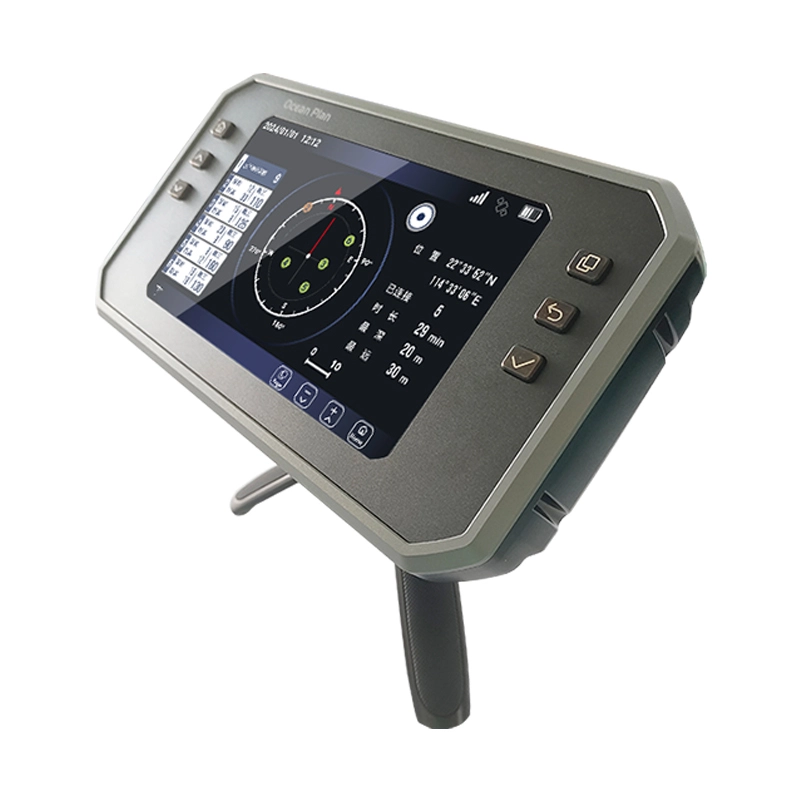
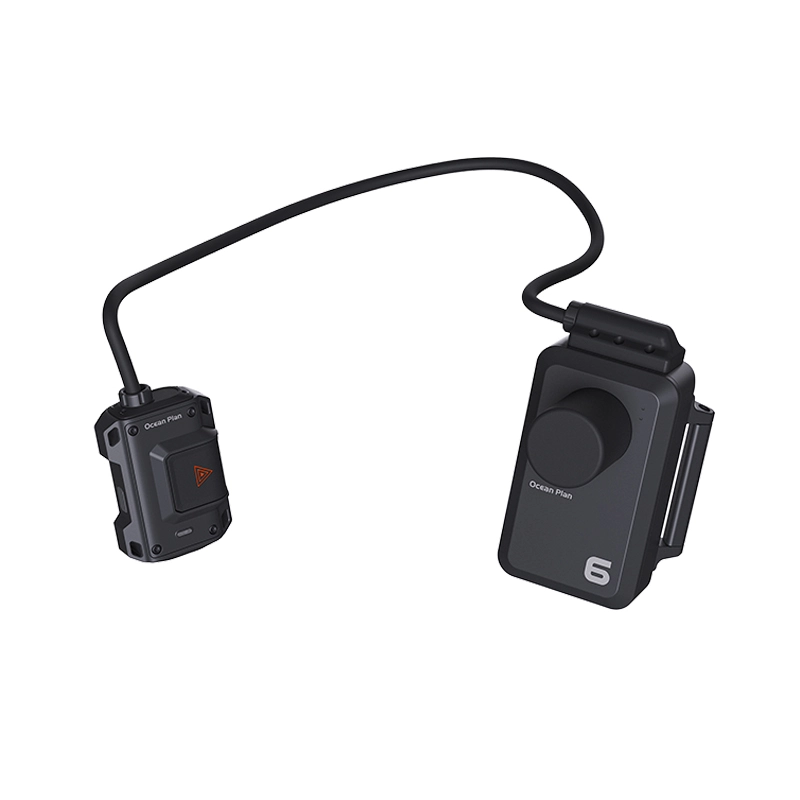
When it comes to underwater operations that involve rescue, investigation, or emergency response, public safety dive gear serves as the foundation of safety and effectiveness. Unlike recreational diving equipment, this type of gear is specifically engineered to meet the demands of extreme and unpredictable environments. It allows divers to function efficiently in low visibility, cold water, contaminated areas, or hazardous conditions that are often encountered during police, fire brigade, or marine rescue missions.
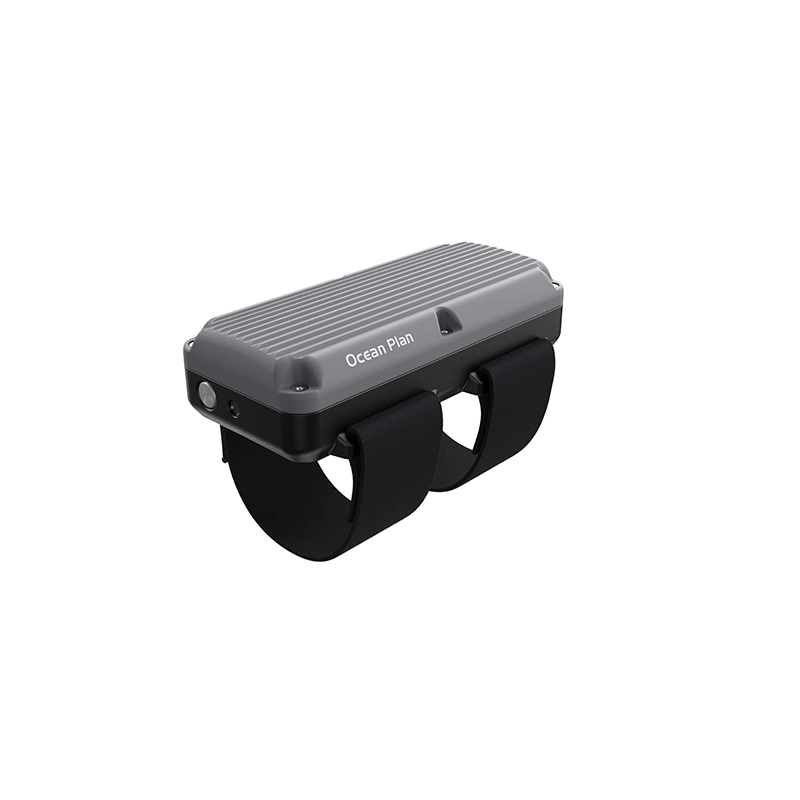
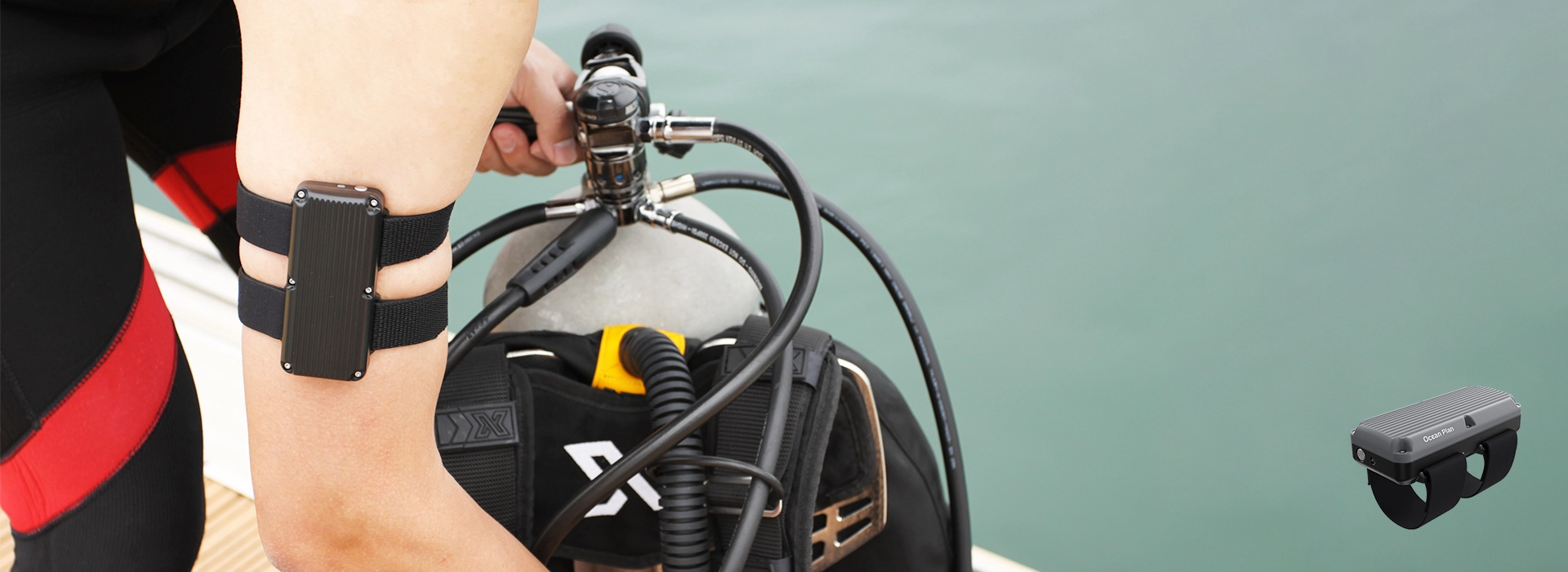
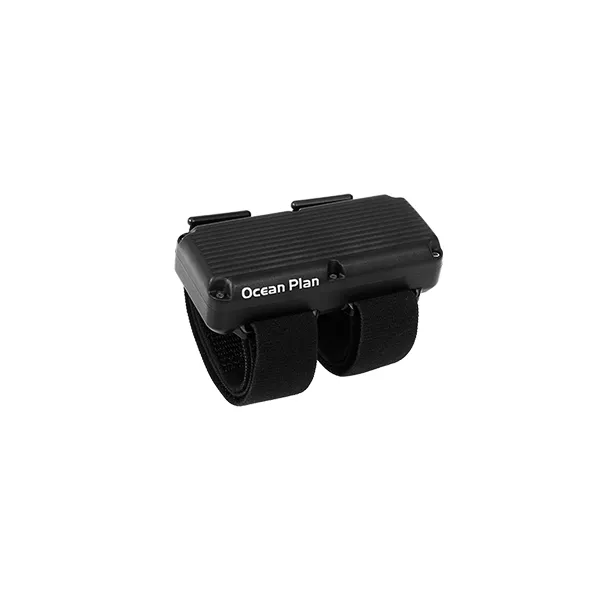
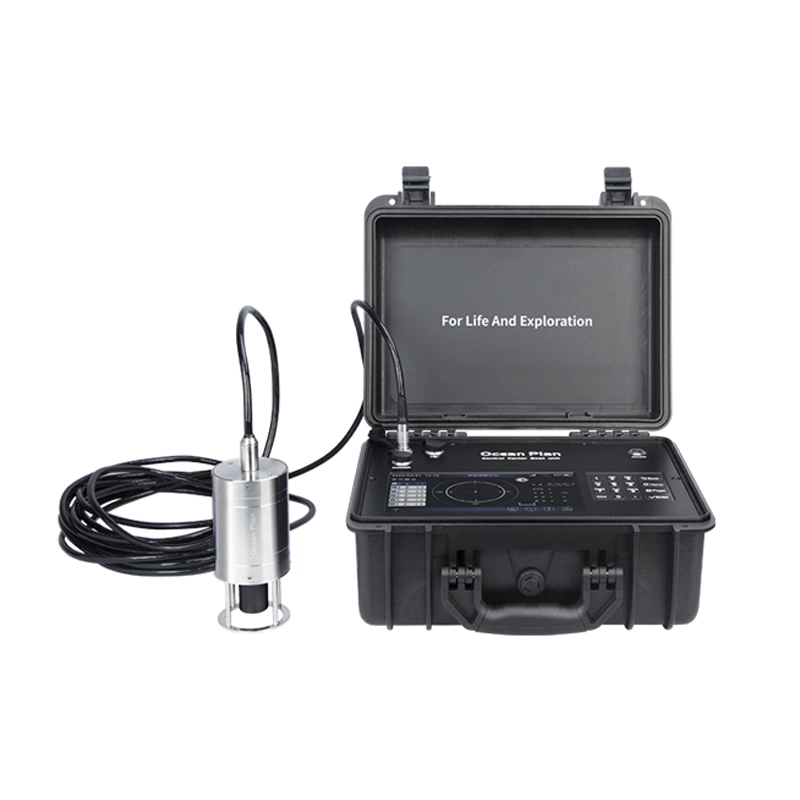
Advanced manufacturers like Ocean Plan design and supply equipment that enhances situational awareness and ensures that divers can communicate and navigate effectively underwater. Each piece of gear—from communication systems to positioning devices—plays a critical role in maintaining diver safety, supporting teamwork, and ensuring successful mission outcomes.
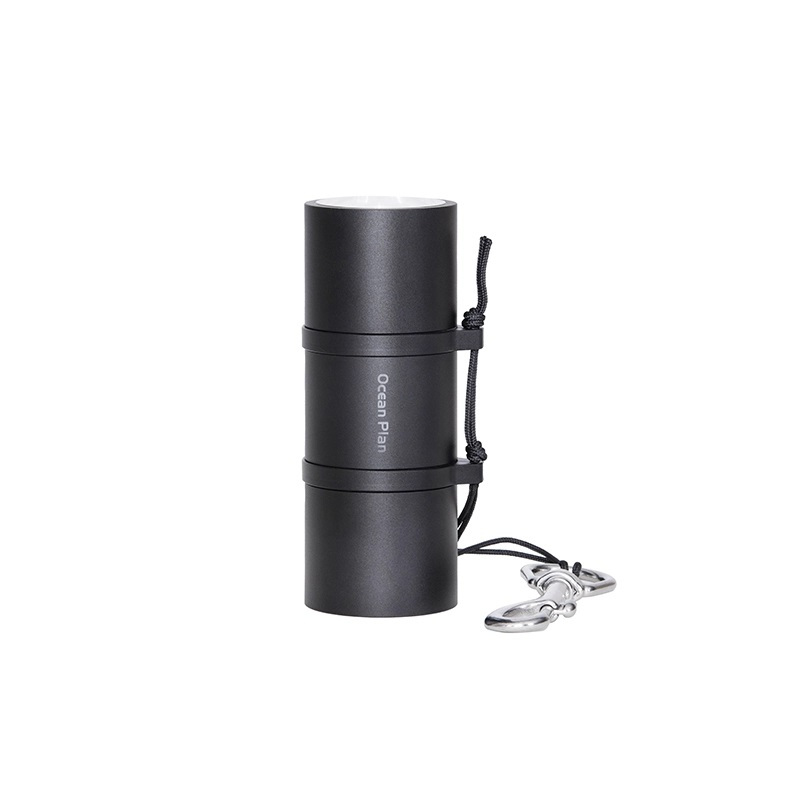
In the field of underwater rescue and law enforcement, reliability is non-negotiable. Public safety dive gear integrates advanced technology that ensures divers remain connected and oriented, even in the most complex underwater settings. For example, communication devices allow divers to transmit voice and data to surface teams in real time, reducing the risks of miscommunication during critical missions.
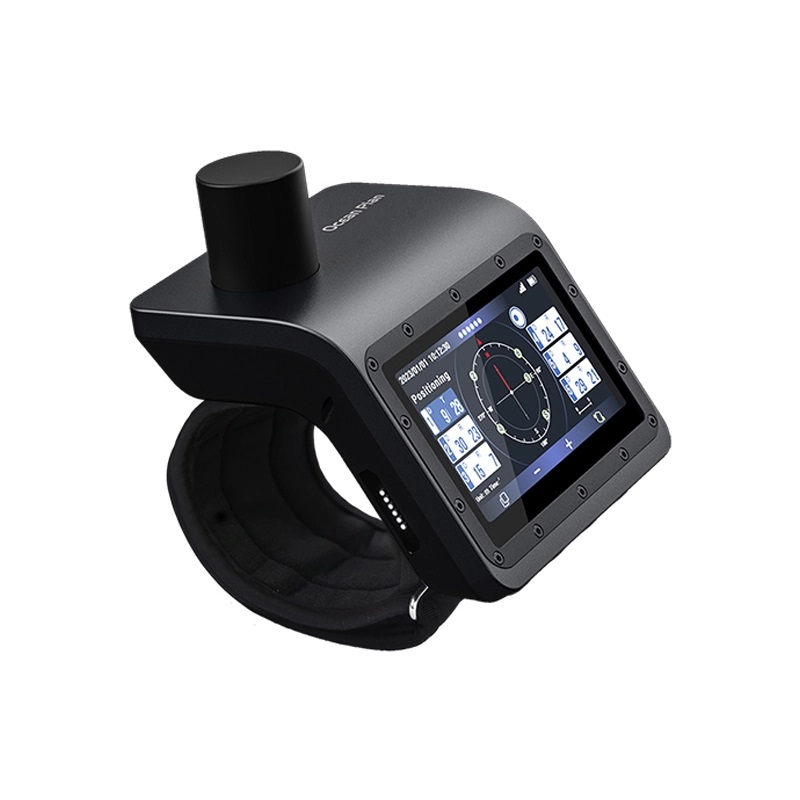
Ocean Plan's underwater communication and positioning solutions are designed to enhance coordination between divers and command centers, making operations smoother and safer. Furthermore, the use of durable materials and smart design minimizes equipment failure under pressure, which is essential when dealing with time-sensitive underwater rescues or evidence recovery tasks. This focus on both performance and protection ensures divers can focus on their mission objectives with confidence.
Aspect | Standard Diving Gear | Public Safety Dive Gear |
Purpose | Designed for recreation and exploration | Built for rescue, law enforcement, and hazardous conditions |
Communication | Limited or none | Real-time underwater communication and surface connectivity |
Durability | Suited for controlled environments | Resistant to contaminants, cold, and strong currents |
Safety Features | Basic pressure and air indicators | Integrated positioning, data monitoring, and alert systems |
Operational Focus | Individual diving experience | Team coordination and mission completion under pressure |
The difference between standard and public safety dive gear lies in its function and resilience. While recreational diving focuses on personal experience, public safety gear prioritizes teamwork, communication, and protection. With innovations from Ocean Plan, the integration of smart underwater systems has further strengthened this distinction, enabling dive teams to handle unpredictable scenarios with precision and confidence.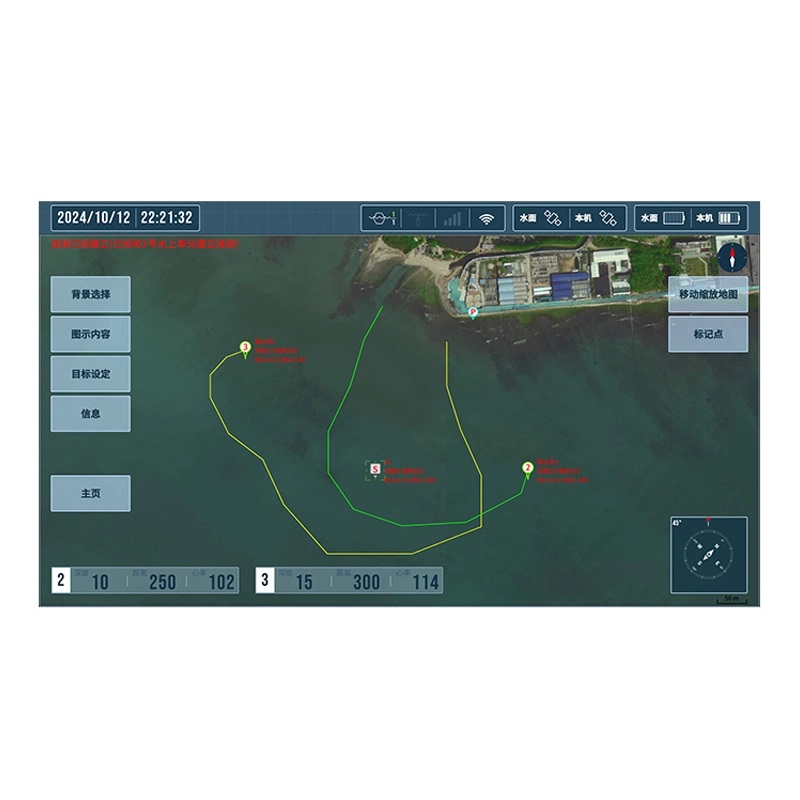
The versatility of public safety dive gear makes it indispensable across multiple industries. In police departments, it supports underwater investigations and evidence recovery during criminal cases. Fire brigades and emergency rescue units rely on it to locate and recover victims during floods or submersion incidents. Marine authorities use the same technology to inspect vessels, assess underwater damage, and conduct environmental monitoring. Scientific researchers also benefit from the durability and precision of public safety equipment when studying marine life or collecting samples in hazardous zones. Ocean Plan's focus on reliable communication and positioning solutions empowers all these sectors by enhancing underwater awareness and ensuring diver safety even in challenging conditions.
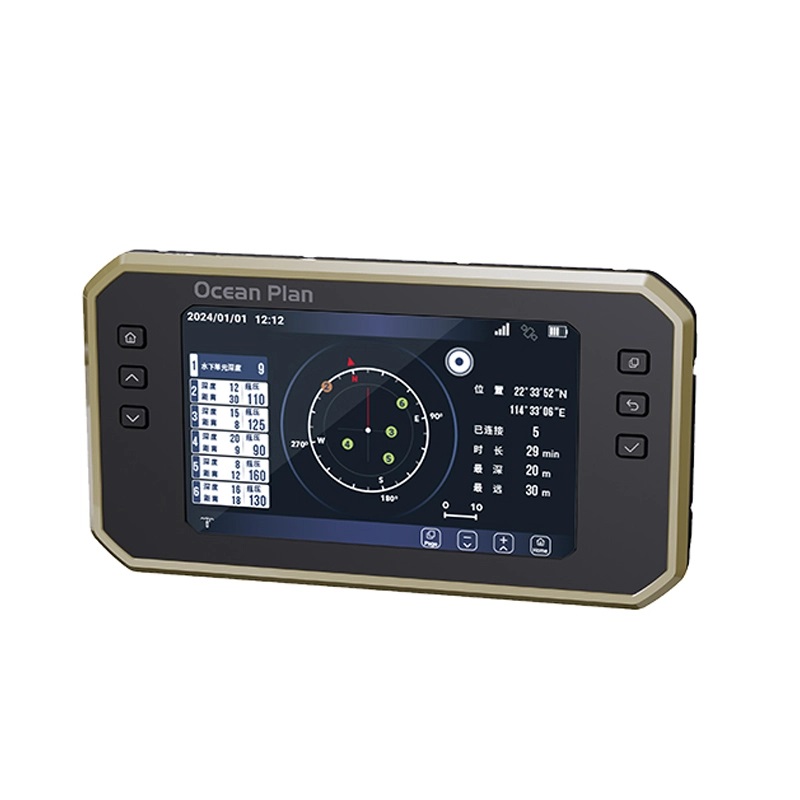
As underwater operations continue to evolve, public safety dive gear will play an increasingly important role in improving efficiency and reducing risks. Advanced systems that combine underwater communication, real-time positioning, and data integration are redefining what divers can achieve. Ocean Plan continues to push the boundaries of underwater safety by developing equipment that connects divers, teams, and command centers seamlessly. This advancement is not only improving mission outcomes but also setting new standards for underwater safety and reliability across the public safety diving community.