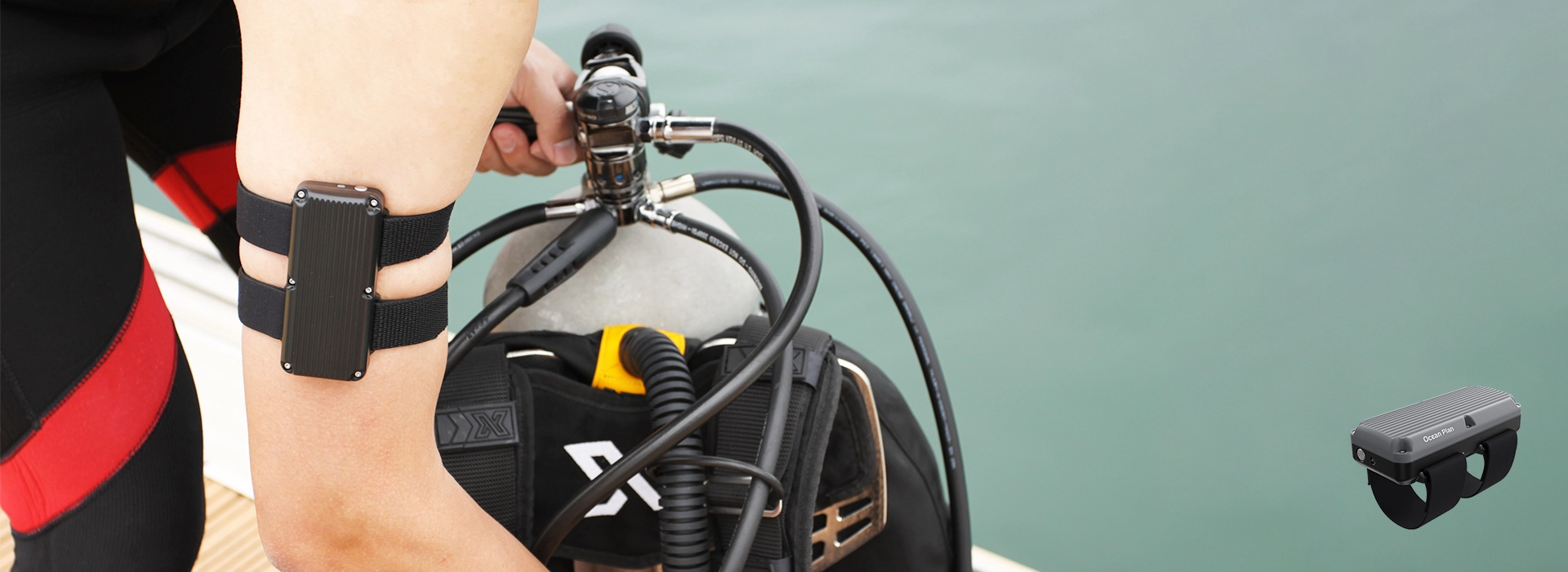
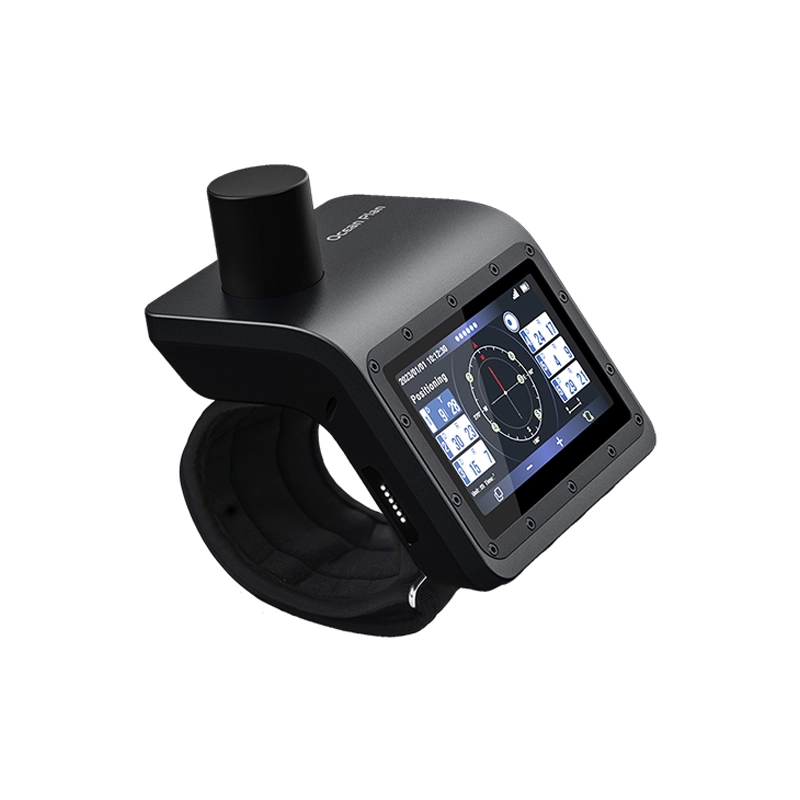
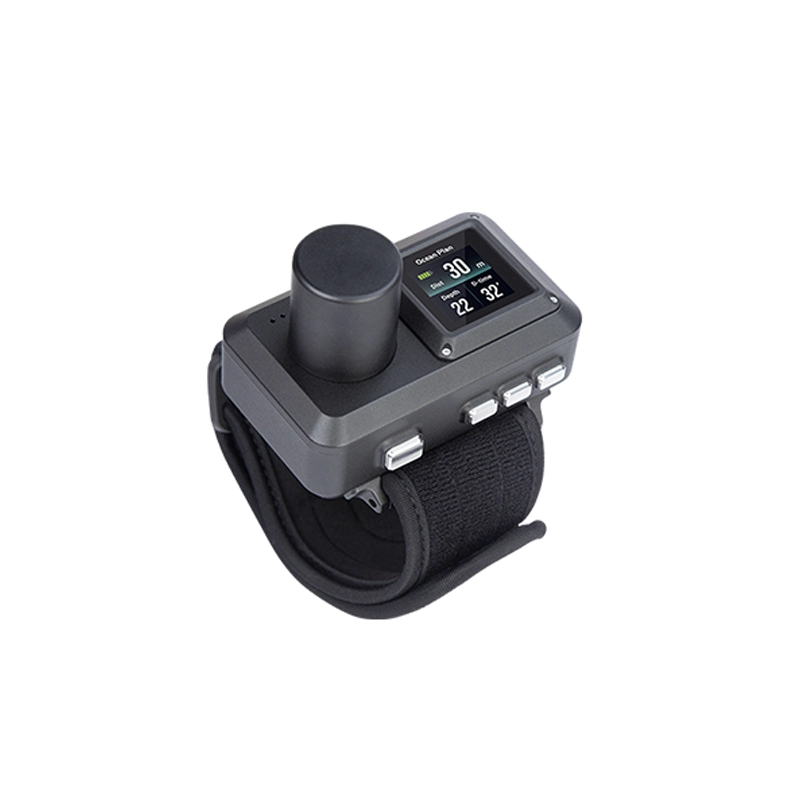
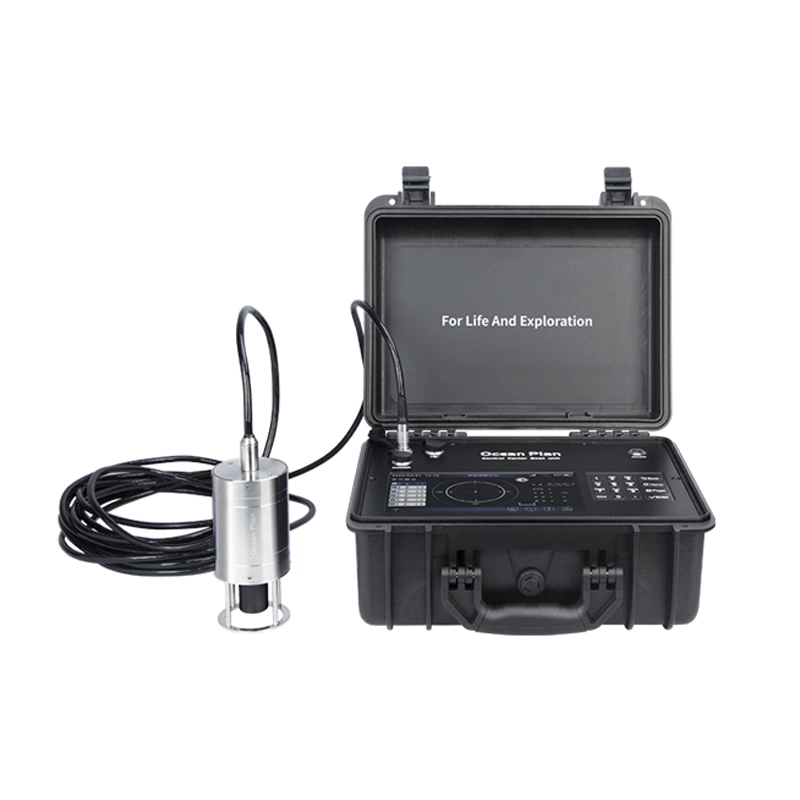
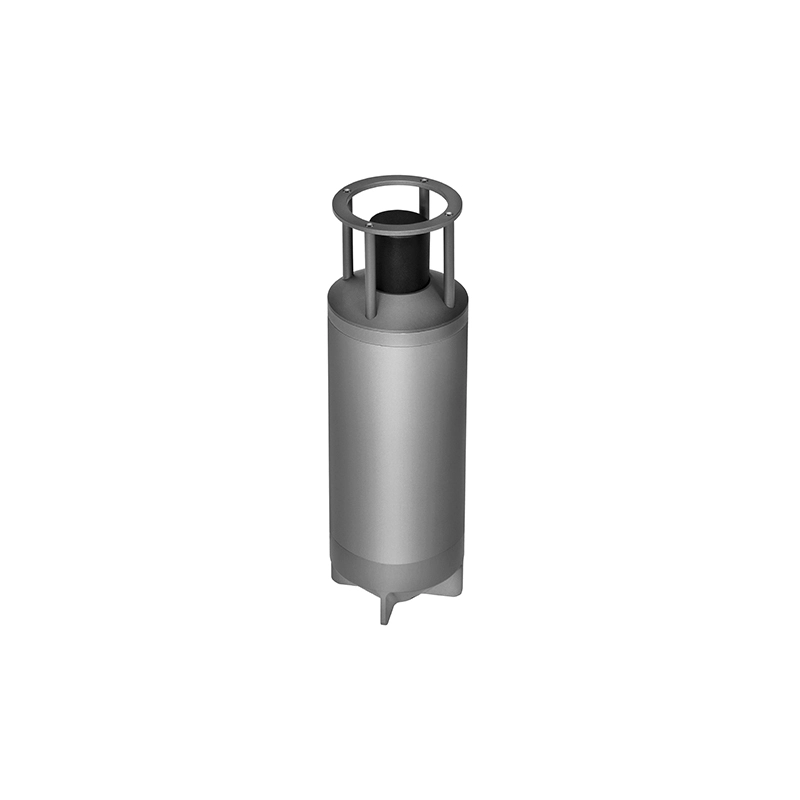
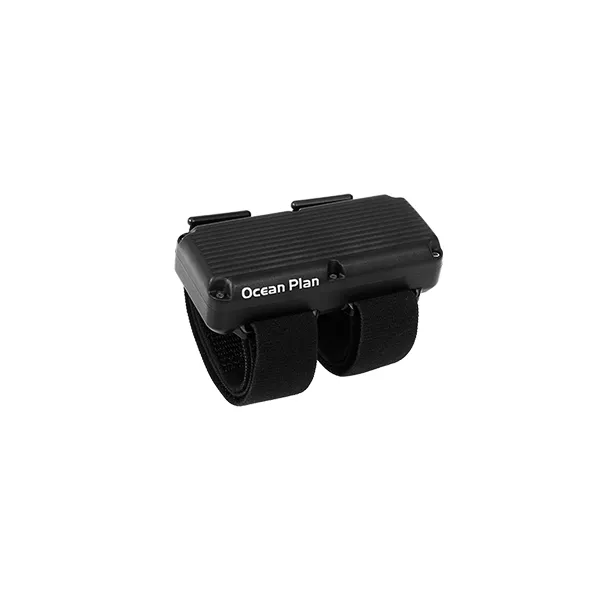
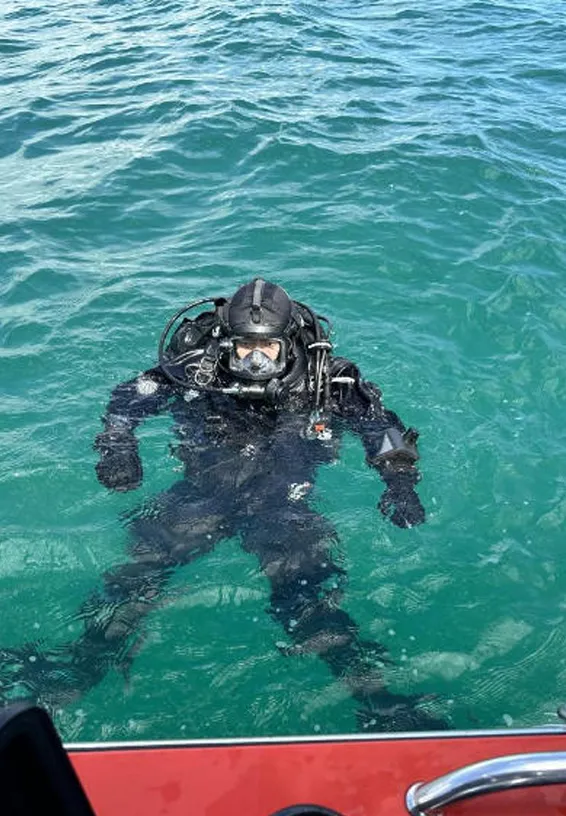
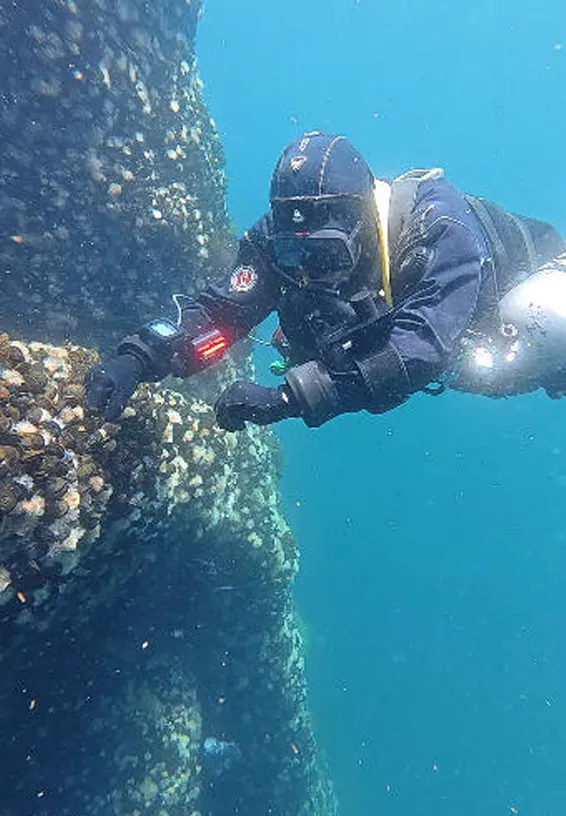
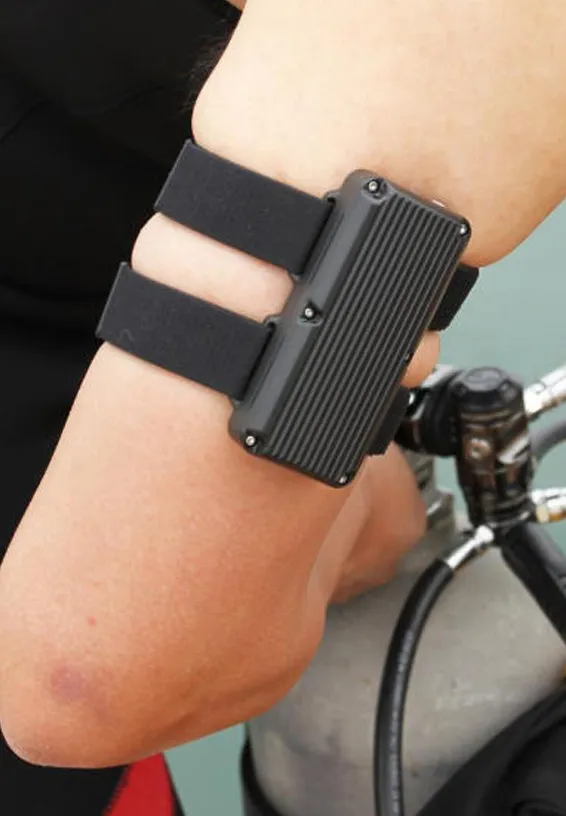
The Underwater Communication and Navigation System features advanced underwater positioning and underwater navigation capabilities, providing high-precision, real-time three-dimensional spatial positioning and navigation guidance for surface command personnel, underwater divers, and equipment (such as ROVs, DPVs, etc.). The system continuously collects and tracks critical data including depth, distance, and bearing for divers and equipment, synchronizing this information in real time via wireless communication to both surface and underwater terminals to achieve multi-directional location sharing. The system also supports a visual navigation interface, helping divers clearly identify target directions and paths. This effectively guides them to safely and efficiently reach designated underwater areas, comprehensively enhancing coordination capabilities and execution efficiency for underwater missions.
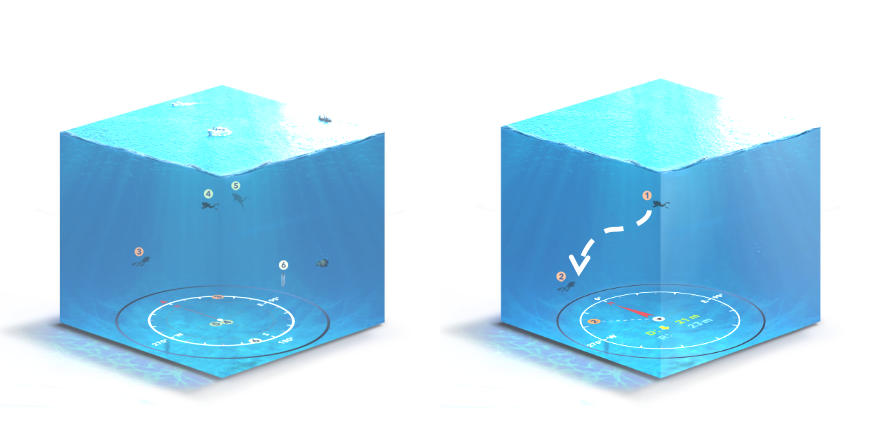
Underwater Navigation Working Schematic Diagram
The system supports real-time position updates of underwater targets, accurately displaying the depth, distance, and azimuth information of divers or underwater equipment. Surface command personnel or divers can intuitively observe changes in their own position and the positions of other targets through the Positioning Mode interface in the device, facilitating quick judgment of relative positional relationships and further enhancing the safety of diving activities.
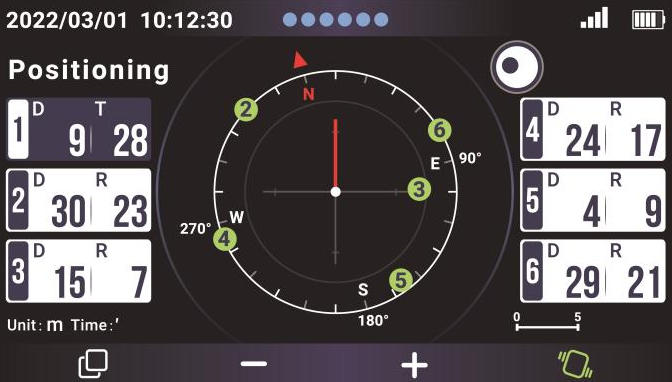
Positioning Mode
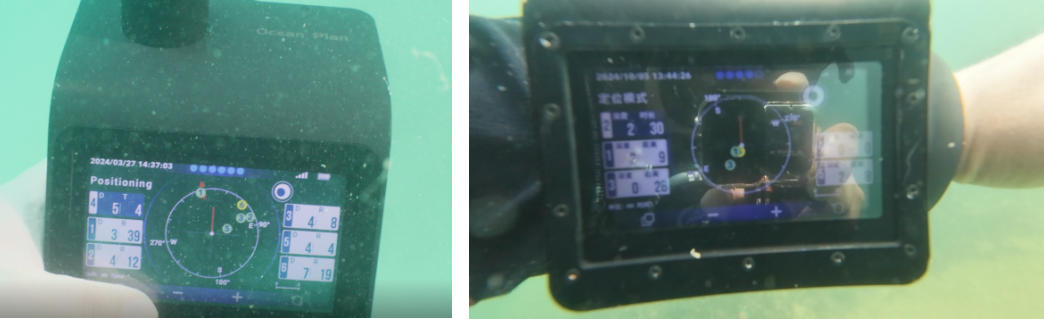
Checking positions through Navygator - Pro
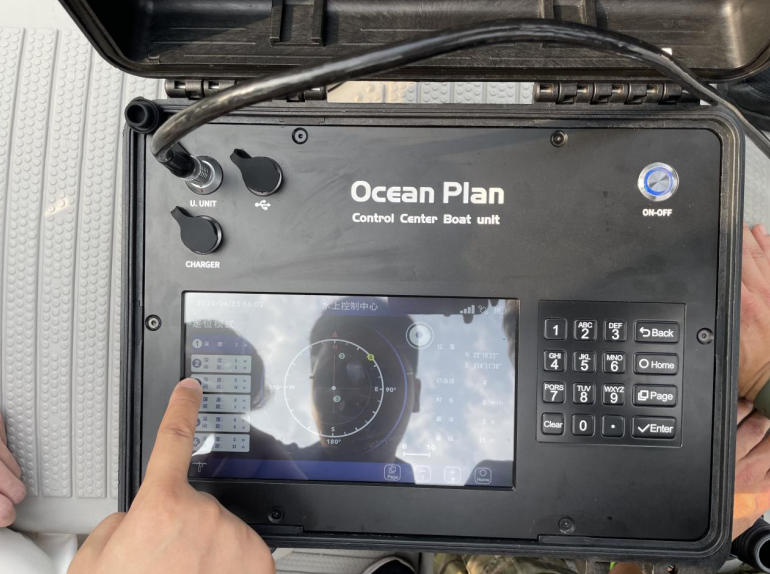
Checking divers positions through Control Center
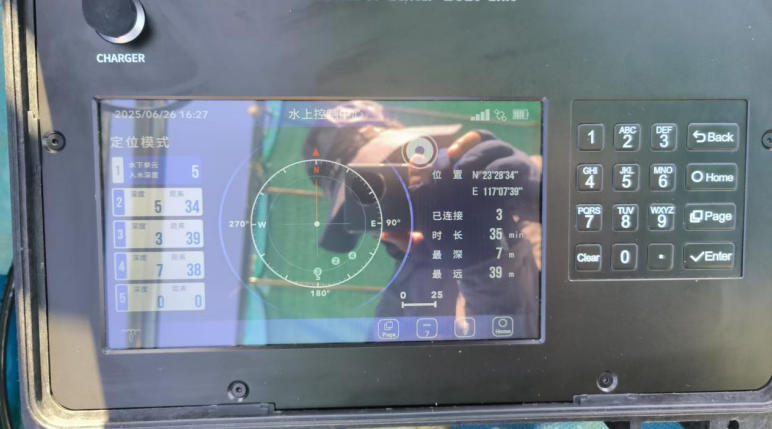
Checking divers positions through Control Center
The system supports underwater 3D navigation functionality. When surface command personnel or divers need to locate specific targets—such as other divers, underwater equipment, or beacons—they can instantly switch to the Navigation Mode interface. Based on the target's real-time position, the system provides navigation guidance including direction, distance, and depth, enabling divers to reach target locations quickly and accurately. This significantly enhances underwater search efficiency and collaborative operational capabilities.
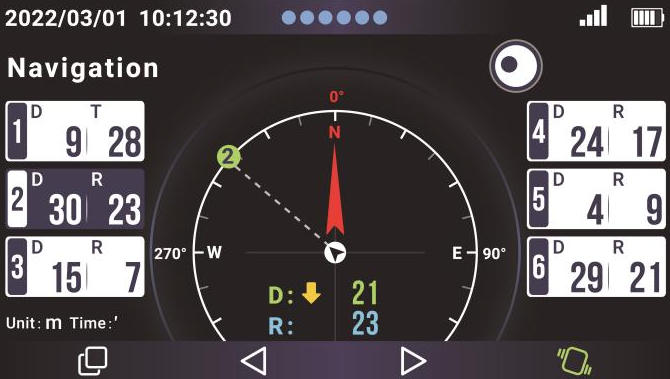
Navigation Mode
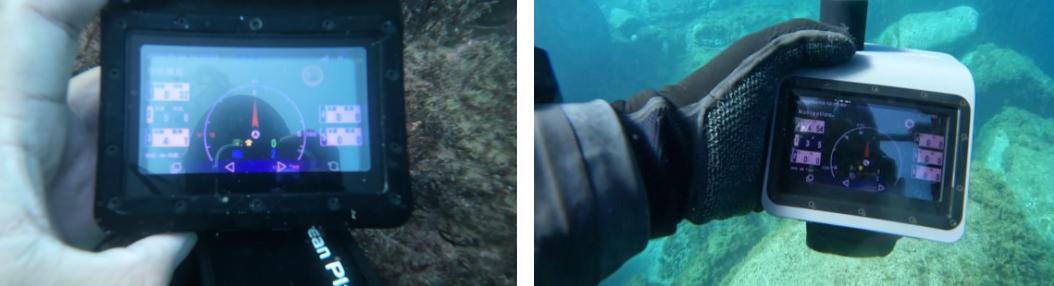
Diver used Navigation Mode for underwater navigation
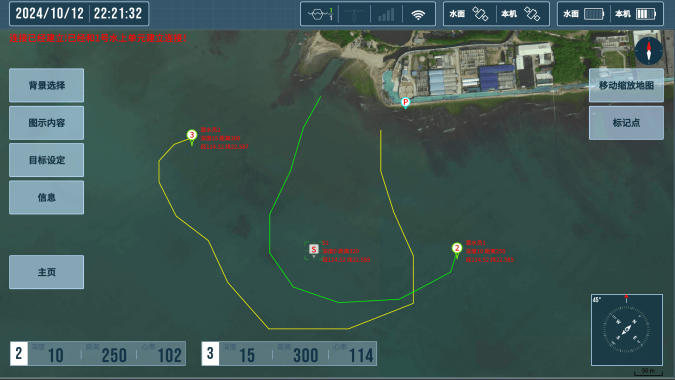
The "Map" series of Underwater Communication and Navigation System support the Underwater Path Planning function. By selecting map locations or specifying latitude and longitude coordinates, users can set underwater target points. Multiple target points are combined to form a planned route, providing positioning and navigation support for underwater activities.
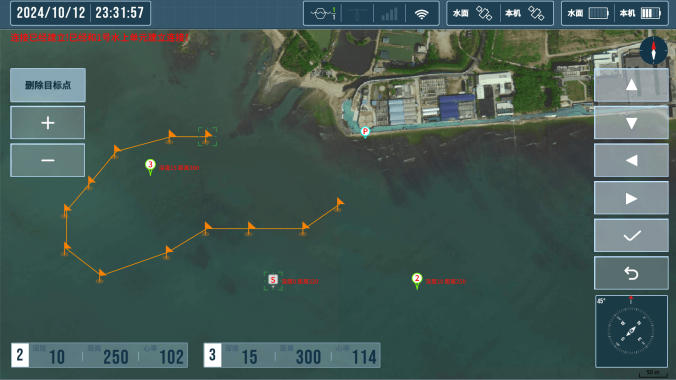
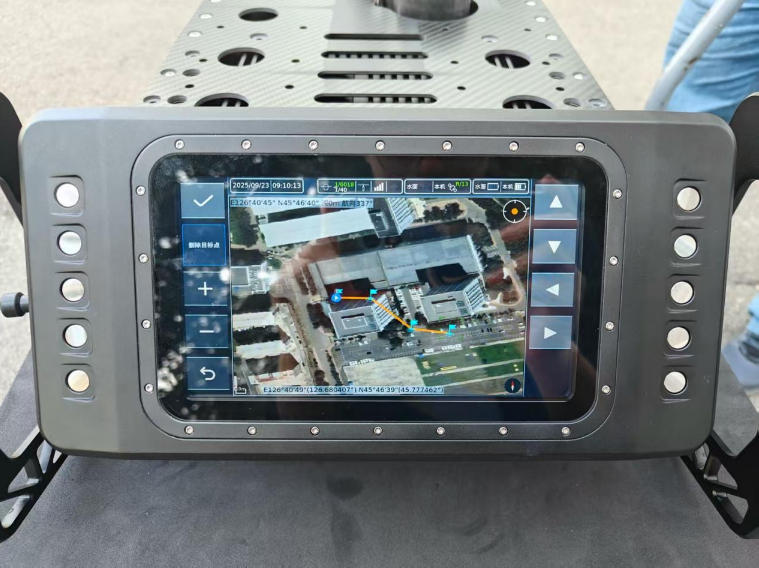
Underwater Path Planning Working Schematic Diagram
The "Map" series of Underwater Communication and Navigation System supports real-time recording of divers' movement tracks. Detailed data, including time, depth, and coordinate position, is captured and displayed as trajectory lines on the map. This facilitates analysis and management of underwater movements after the completion of diving missions.
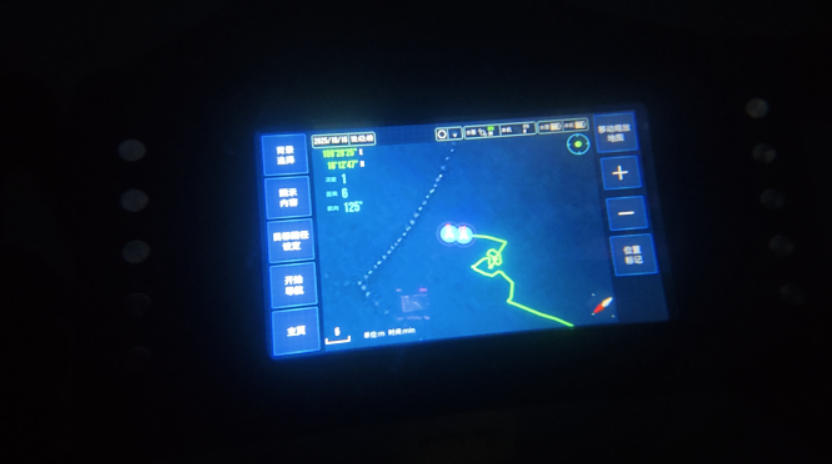
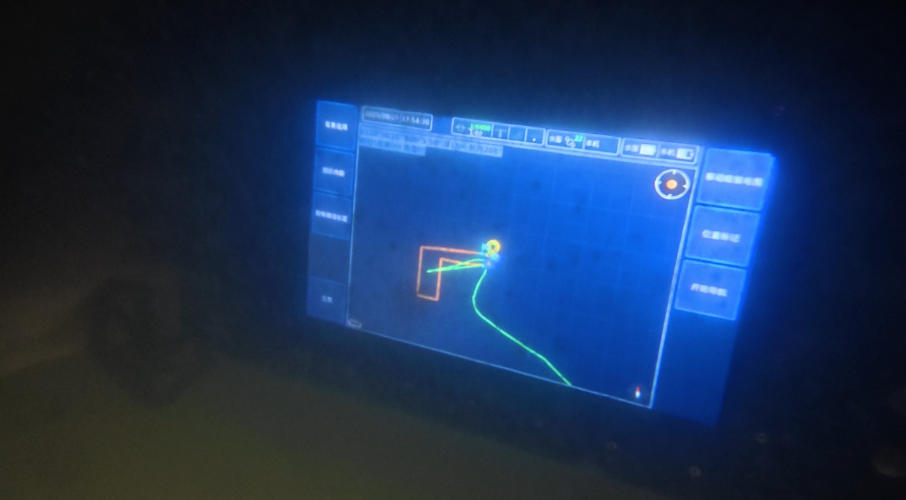
Diver Underwater Track Recording
The "Map" series of Underwater Communication and Navigation System features a "Map Mode Management" function. The system offers four map modes: Standard Map, Satellite Map, Latitude-Longitude Map, and Import Custom Map, allowing users to flexibly select the most suitable option based on their practical needs.
The underwater environment constitutes a "blind spot" for traditional positioning technologies. Due to issues such as signal attenuation and propagation delays, conventional positioning methods often struggle to maintain accuracy and real-time performance underwater. For instance, GPS signals cannot penetrate water, optical devices suffer significant performance degradation in low-visibility conditions (such as turbid water or environments with high suspended particles) and deep-water settings, while water current disturbances further exacerbate positioning errors. These factors directly lead to reduced operational efficiency and even pose risks to the safety of divers and equipment.
Ocean Plan's Underwater Communication and Navigation System integrates two core technologies—Underwater acoustic positioning and underwater acoustic communication—to establish a comprehensive wireless communication and positioning network covering "surface-to-underwater" and "underwater-to-underwater" links. This system enables real-time connectivity and efficient coordination among surface command centers, underwater operators, and various underwater equipment (such as ROVs, DPVs, and beacon underwater). By shifting from passive response to proactive alarm, it effectively mitigates risks such as diver disorientation and equipment loss. Even in challenging environments like low visibility, strong currents, or deep-sea conditions, the system ensures stable communication and precise positioning, significantly enhancing operational safety and mission execution efficiency.
Whether in public safety diving where safeguarding lives is paramount, scientific research diving that demands data accuracy, rigorous engineering diving, or recreational diving where experience safety is emphasized, the underwater navigation function plays a vital role. It provides a solid foundation of safety and efficiency for various underwater tasks and has become an indispensable core supporting technology for modern underwater activities.
Application Scenarios of Underwater Positioning and Navigation Function
Public safety diving is fundamentally driven by the imperatives of "rapid response, efficient rescue, and life-first principle." The underwater positioning and navigation capability provides reliable support for various emergency diving operations and specialized combat diver missions through its precise real-time positioning capabilities:
Diver Team Coordination: Enables real-time tracking of divers and command personnel, ensuring team synergy and operational safety in complex aquatic environments.
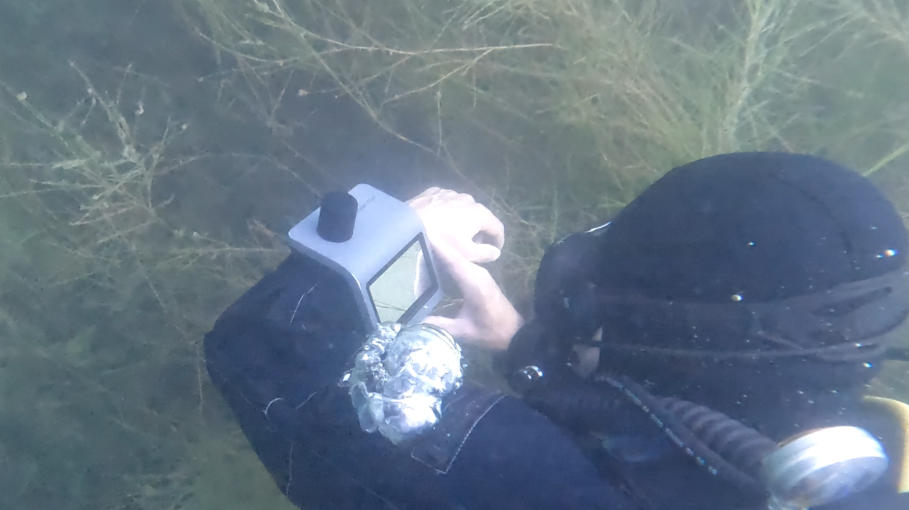
Underwater Search: By integrating preset underwater targets with path navigation, the system tracks divers' positions in real time, avoiding repeated searches or omissions of critical areas.
Salvage and Rescue: The system enables real-time locking of salvage or rescue targets and provides precise guidance for rescue operations or equipment deployment. Particularly in high-risk areas such as shipwrecks and reefs, it effectively reduces the risk of secondary accidents.
Target Reconnaissance: Delivers positioning and navigation guidance for underwater reconnaissance and inspection missions, ensuring operational stealth and safety.
Scientific diving demands extreme accuracy in data collection and sample integrity. The Underwater communication and Navigation System provides high-precision positioning and navigation support for researchers.
Underwater Archaeological Mapping: Utilizes coordinate anchoring to precisely mark the boundaries of archaeological sites and the distribution of artifacts, ensuring accuracy in subsequent excavation and documentation while preventing damage to cultural relics or loss of critical clues.
Underwater Archaeological Surveys: Guides divers through pre-defined grid pathways to conduct systematic exploration and inspection, ensuring comprehensive area coverage and increasing the likelihood of discovering archaeological clues.
Underwater Ecological Monitoring: Enables repeated sampling at designated locations within the same water body, accurately tracking long-term changes such as coral reef growth and ecological degradation, thereby providing highly comparable data for scientific research.
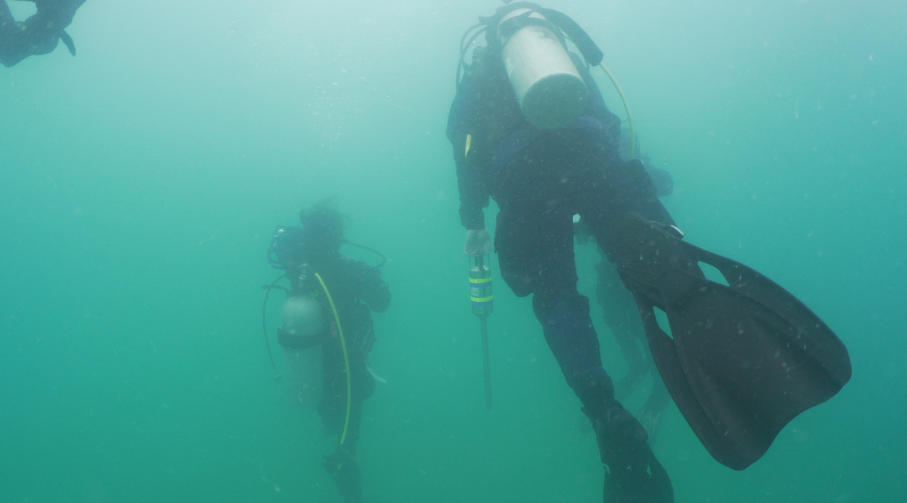
Engineering diving involves high-risk operations such as underwater construction, inspection, and equipment maintenance, where positioning accuracy directly impacts both safety and cost. The Underwater Positioning and Navigation function enhances operational efficiency and safety across multiple stages.
Diver Positioning: Monitors the working area and depth of divers in real time. The system triggers alerts when divers approach hazardous zones (e.g., high-pressure pipelines, sharp structures), preventing potential accidents.
Underwater Construction and Inspection: Guides divers precisely to target locations (e.g., subsea pipeline welding points, pier foundations), minimizing rework and delays caused by positional deviations while improving construction accuracy and efficiency.
Subsea Infrastructure locating: Provides precise coordinates for underwater infrastructure such as cables, oil and gas pipelines, and wind turbine foundations, facilitating routine inspections and fault detection to reduce maintenance costs.
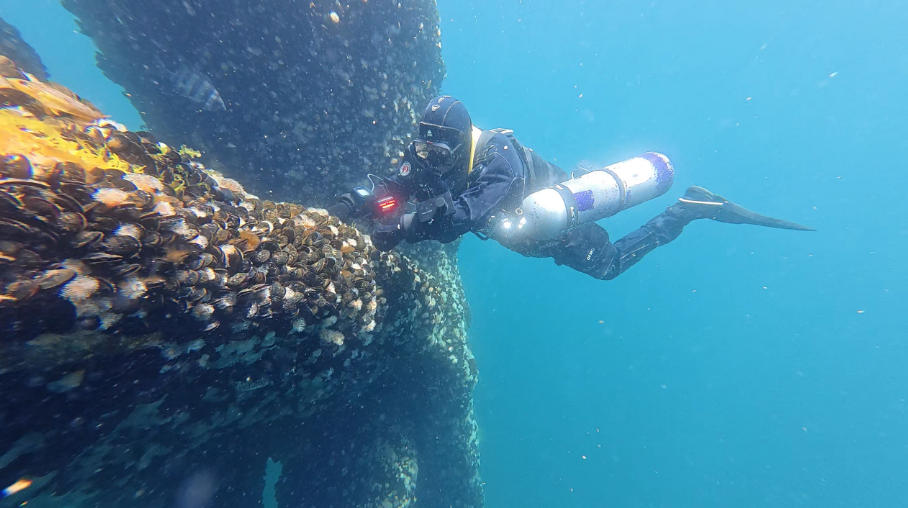
Recreational diving emphasizes both safety and experience. The underwater positioning and navigation feature not only enhances safety but also optimizes the diving experience.
Safety Assurance for Diving Activities: By displaying group positions, it helps prevent divers from losing contact with their buddies. If a diver strays from a designated area, the system immediately issues an alert, reducing the risk of separation.
Advanced Diving Training: Dive instructors can monitor students’ locations and dive paths in real time, allowing them to correct routes promptly and improve both training safety and instructional quality.
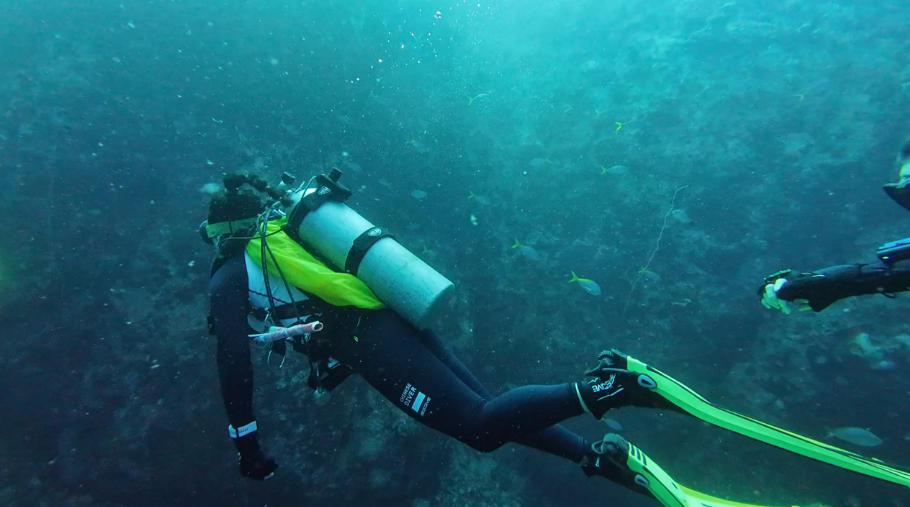
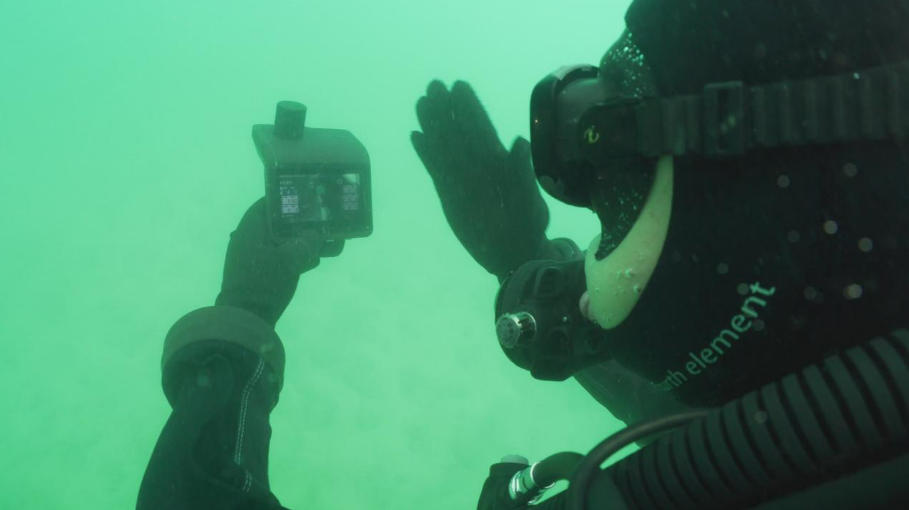
Recreational diver wear Divetrack System
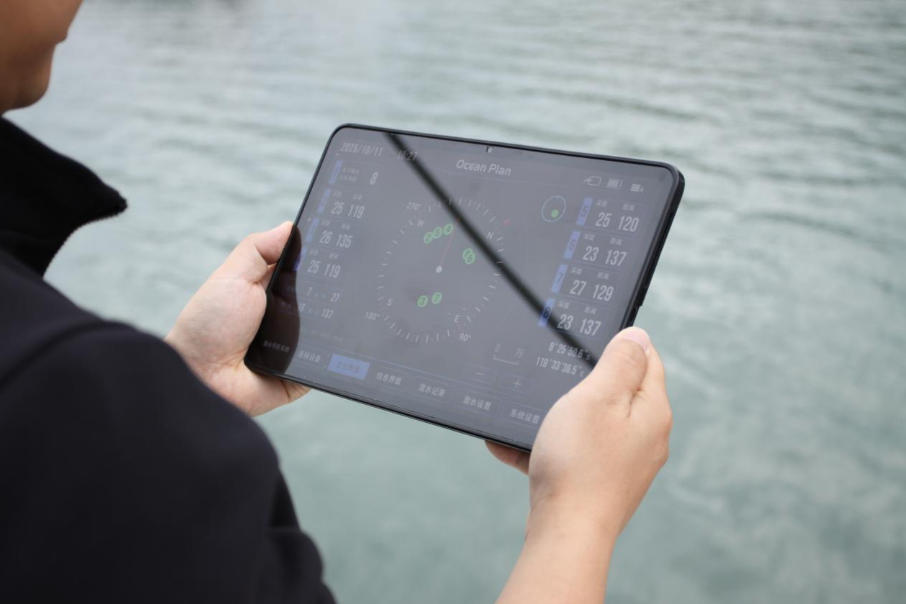
Surface member on the vessel can view the positions of underwater divers by using tablets equipped with the ‘Ocean Plan’ app