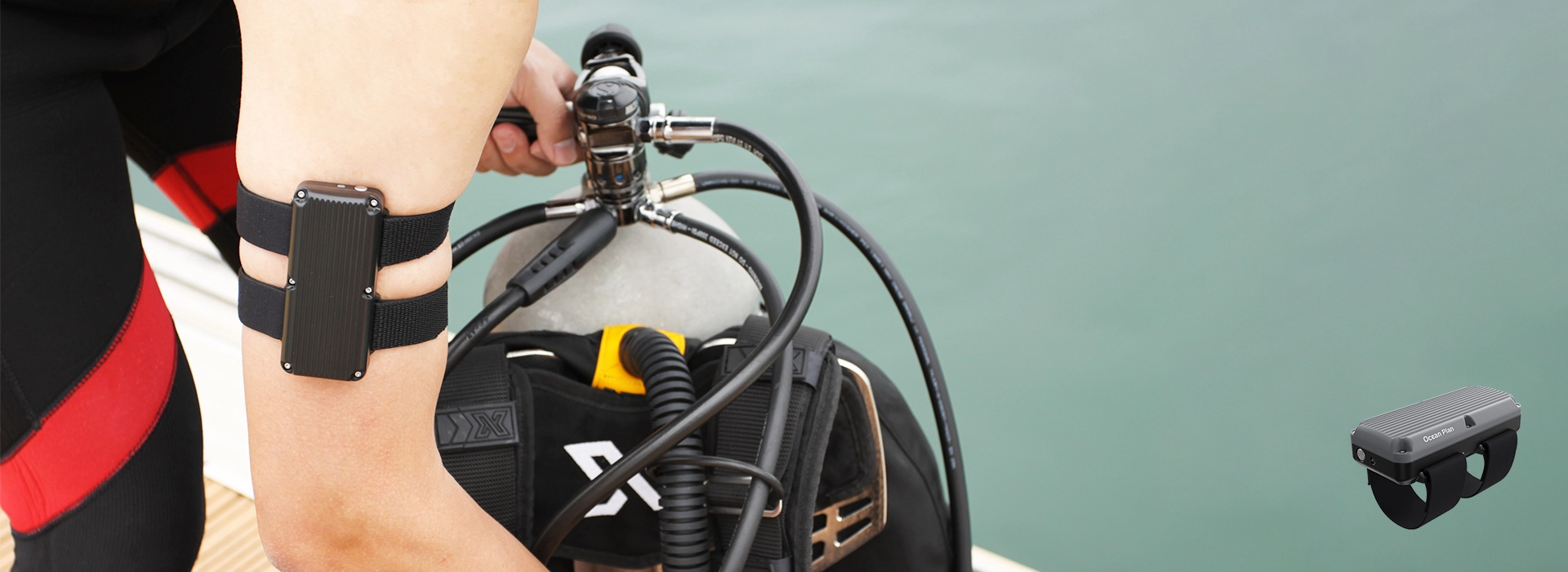
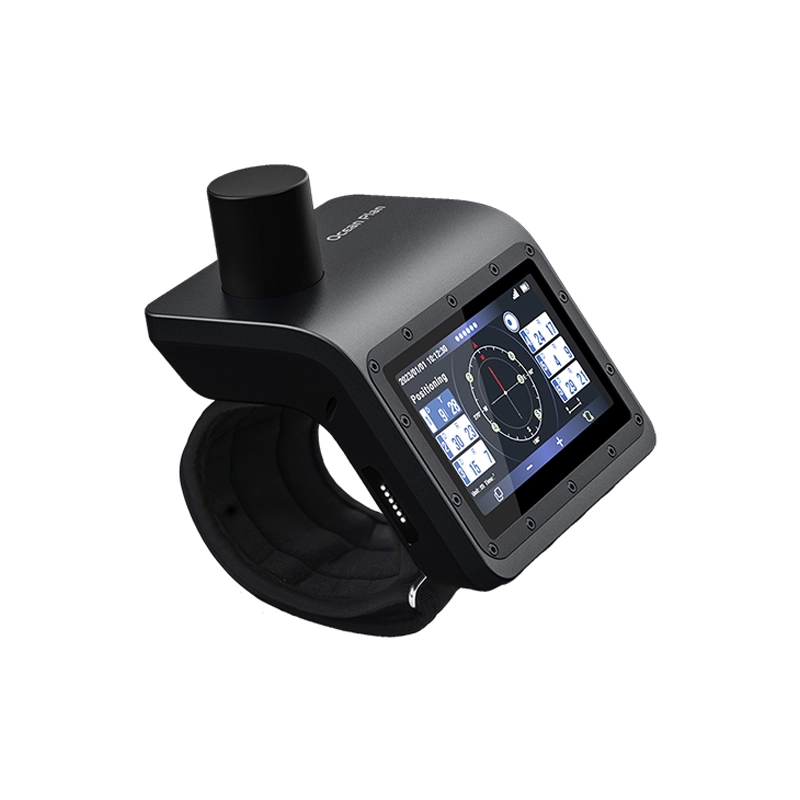
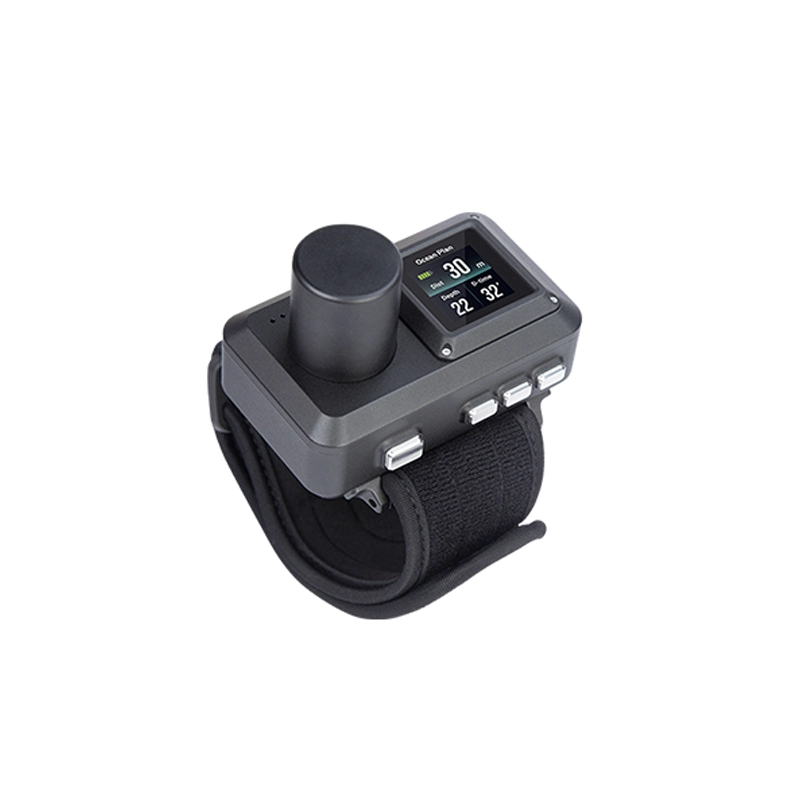
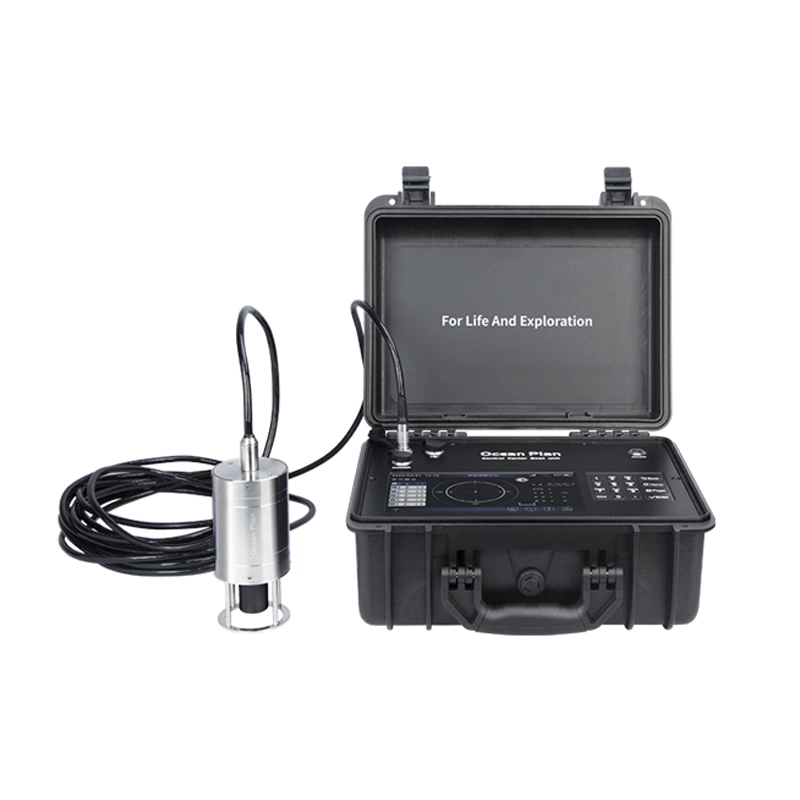
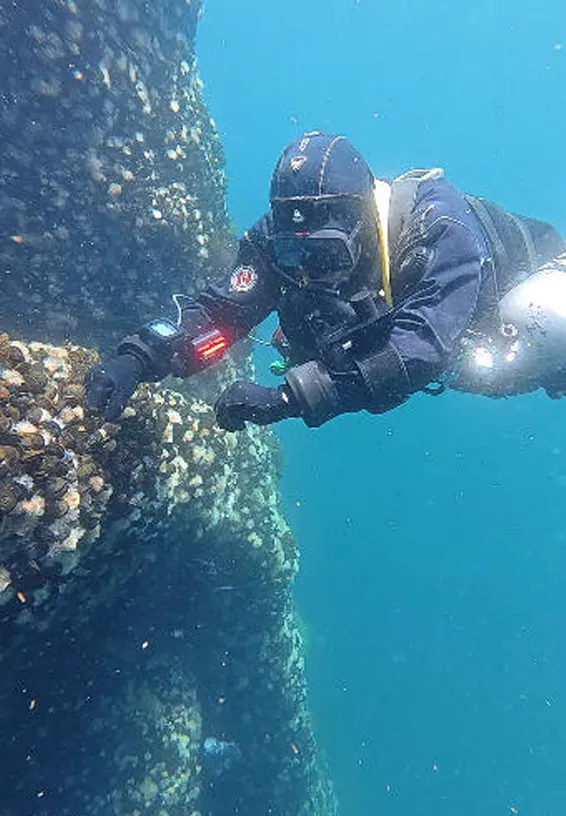
The Underwater Communication and Navigation System features an “Abnormal State Alarm” function. Using multidimensional motion data monitoring and risk assessment algorithms, it continuously tracks key diver parameters such as distance, depth, ascent rate, and descent rate. When any value exceeds preset safety thresholds, the system automatically triggers an alarm and simultaneously sends alerts to the diver’s terminal and the surface control center.
This creates a full-process safety loop: real-time monitoring → automatic assessment → multi-end alert → rapid intervention, effectively mitigating potential risks during diving operations.
The core advantage of the Abnormal State Alarm is “proactive warning + team-wide synchronization.” Divers can preset safety parameters before entering the water based on task type and environmental conditions. If an abnormal state occurs, the alarm is sent not only to the affected diver but also to fellow team members and surface command personnel, ensuring that all parties are informed immediately. All alarm records are automatically stored in the system for post-mission review and safety analysis.
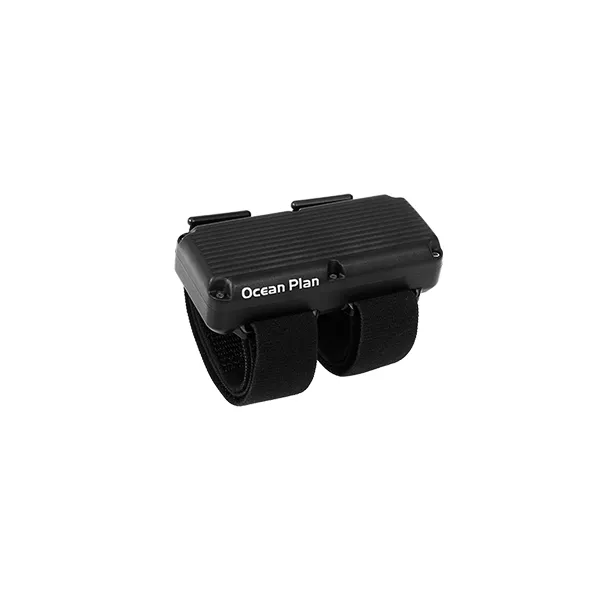
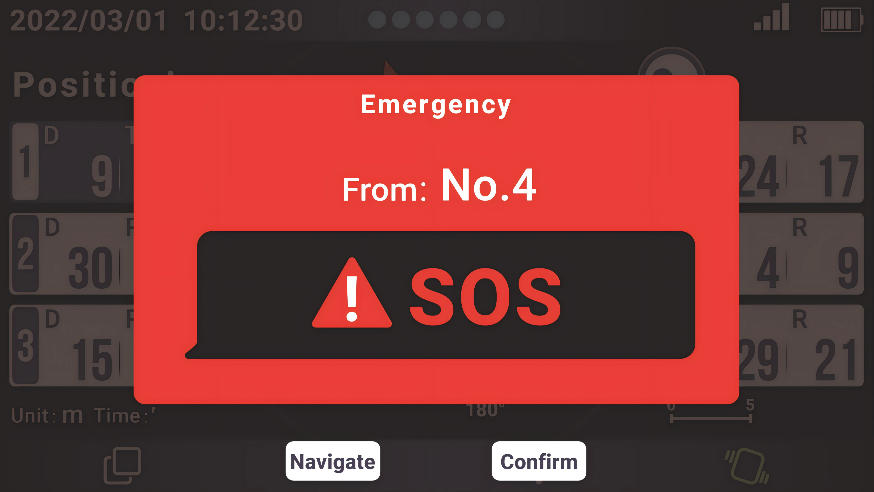
The dive navigation computer no matter is Pro version or M version, also supports a one-button SOS function. In case of danger or emergency, a diver can short-press the SOS button to send an alert to all divers in the same team, enabling immediate response and support.
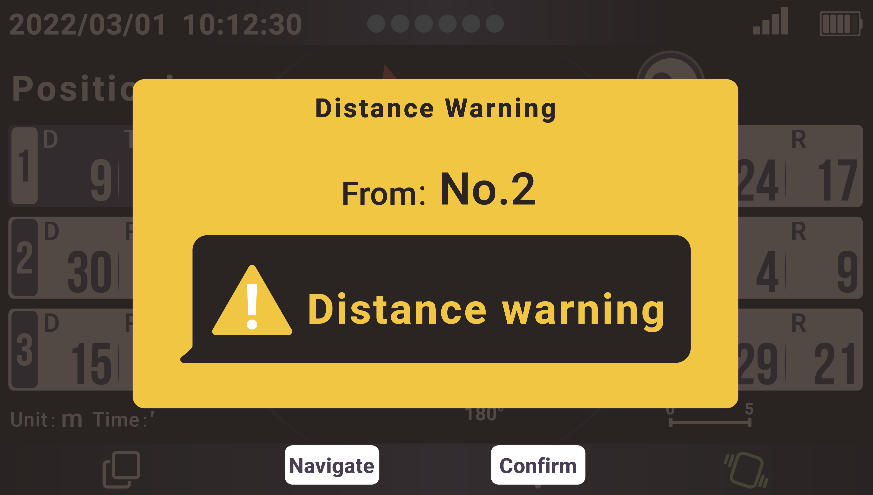
Before a dive, divers can preset a safe distance threshold. Once in the water, the system automatically monitors the relative distance between the supervisor and all divers. If any diver exceeds the preset distance from the supervisor, the system automatically sends a distance alert to all divers, indicating which diver has moved beyond the safe range.This function helps prevent buddy separation and reduces the risk of divers drifting too far from the boat or dive group.
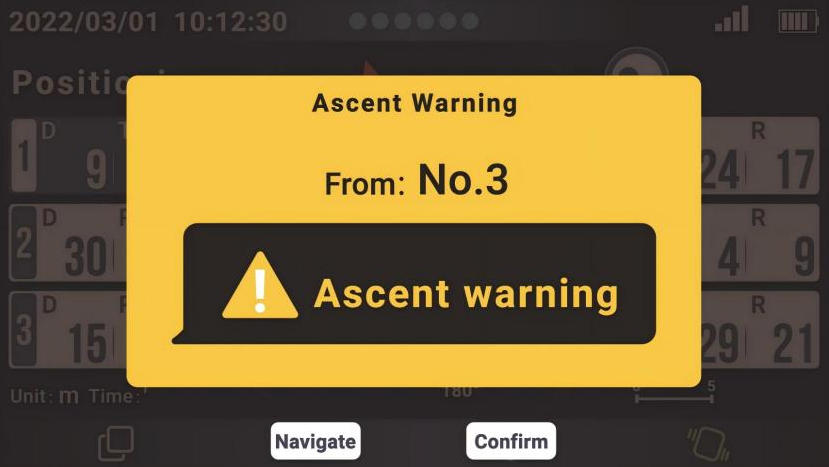
Before diving, divers can preset a safe ascent rate. Once in the water, the system automatically monitors the actual ascent rate of all divers. If any diver exceeds the preset ascent speed, the system automatically sends an ascent rate alert to all divers, indicating which diver is ascending too quickly.This function helps mitigate risks associated with strong upward currents or a buddy ascending too rapidly, enhancing overall dive safety.
Before diving, divers can preset a safe descent rate. Once in the water, the system automatically monitors the actual descent rate of all divers. If any diver exceeds the preset speed, the system automatically sends a descent rate alert to all divers, indicating which diver is descending too quickly.This function helps prevent risks caused by a buddy descending too rapidly.
Before diving, divers can set a maximum allowable depth. The system continuously monitors the depth of all divers, and if any diver exceeds the preset limit, an excess depth alert is automatically sent to all divers, indicating who has surpassed the safe depth.This feature mitigates risks associated with a buddy descending too deep.
The underwater environment is inherently unpredictable—currents fluctuate, visibility is limited, and terrain is complex—making diving risks often sudden and hidden. Traditional diving relies on divers’ subjective judgment, which can lead to overlooked hazards due to inexperience, task focus, or stress. By the time an issue is noticed, the optimal intervention window is often missed.
For example:
A novice recreational diver may descend rapidly out of excitement, ignoring depth changes. They may only realize they have exceeded the safe depth once already at risk of eardrum injury.
An engineering diver performing emergency repairs may focus on the task and ascend too quickly, unaware of exceeding the safe ascent rate, creating a hidden risk of decompression sickness.
The Abnormal State Alarm system addresses these risks by providing real-time monitoring, automated assessment, and multi-end alerts, ensuring timely intervention and significantly enhancing diving safety.
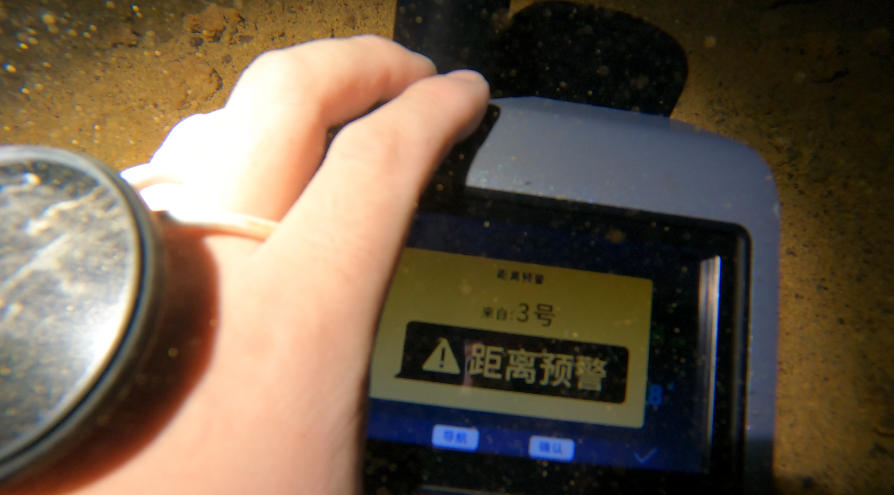
The Abnormal State Alarm function intervenes at the early stages of risk through real-time monitoring and automatic alerts, preventing minor issues from escalating into serious accidents. Alarm information is synchronized across all team members, ensuring that both the dive group and surface command have shared situational awareness, enabling rapid coordinated rescue or support.
Furthermore, this function addresses core diving safety concerns across multiple dimensions—distance, speed, and depth—making it suitable for special mission, public safety, scientific, and recreational diving. It provides customized safety protection tailored to the specific requirements of different types of diving operations.
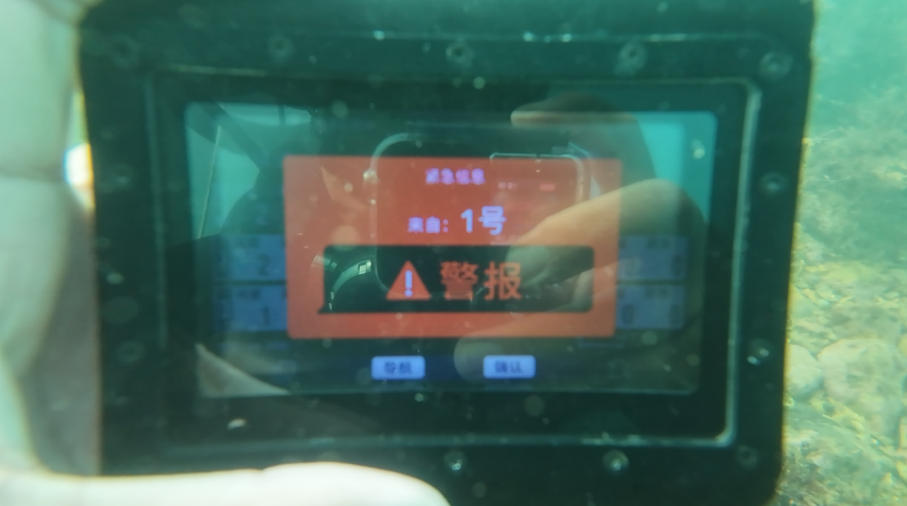
(1) Electronic Fence Protection (Exceeding Safe Distance)
Special Operations Diving: During infiltration missions, the system uses the electronic fence function to limit the distance between team divers, preventing individuals from leaving formation and ensuring operational stealth and coordination.
Public Safety Diving: In rescue or underwater inspection tasks, a virtual fence can define the operational area, preventing divers from straying beyond the designated work zone.
Recreational Diving: For recreational divers, the electronic fence effectively prevents divers from exceeding safe limits due to chasing marine life or inattention, reducing the risk of buddy separation.
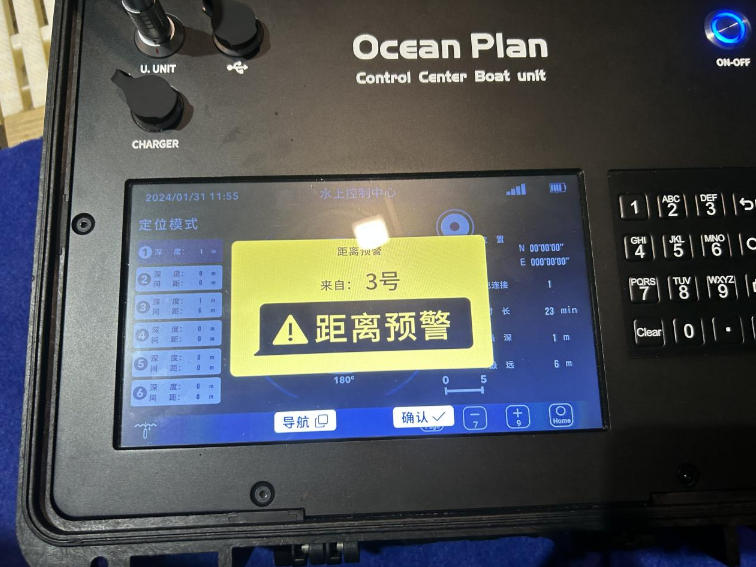
(2) Decompression Sickness Prevention (Exceeding Safe Ascent Rate)
Engineering Diving: After completing underwater pipeline inspections or installations, divers must ascend slowly according to decompression procedures. The system continuously monitors ascent rates, and if the safe threshold is exceeded, an immediate alert is triggered, preventing decompression sickness caused by insufficient gas elimination.
Scientific Diving: Divers may be eager to finish tasks and ascend too quickly. The system provides real-time reminders to control ascent rate, ensuring safe operations.
Recreational Diving: Recreational divers may ascend rapidly due to stress or panic. The system can intervene in real time and provide warnings, helping maintain a safe ascent pace and reducing the risk of decompression sickness.
(3) Emergency Alarm (SOS Scenario)
Special Operations Diving: In complex underwater environments, such as equipment malfunctions, entanglement, or physical discomfort, divers can trigger an SOS alert via their terminal, allowing the command center to quickly assess the situation.
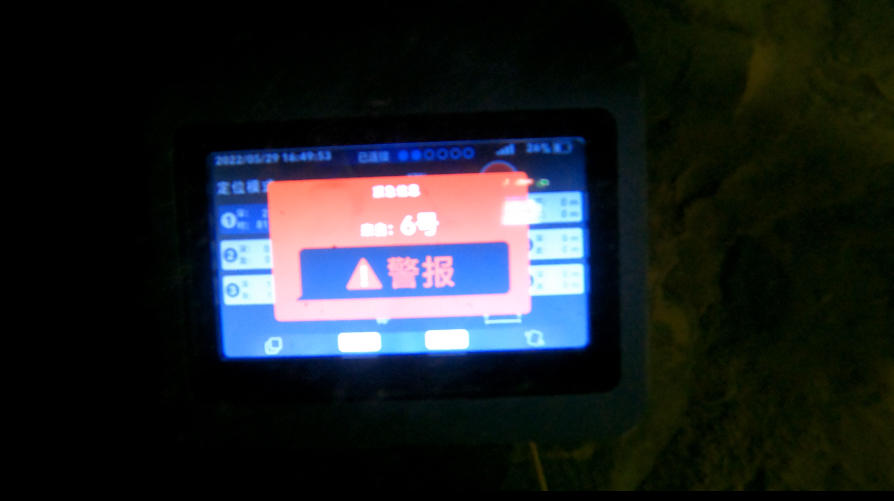
Public Safety Diving: During rescue or inspection tasks, if a diver encounters danger (e.g., low visibility, sudden currents) and triggers an SOS alert, the system automatically captures abnormal status information, enabling timely surface response.
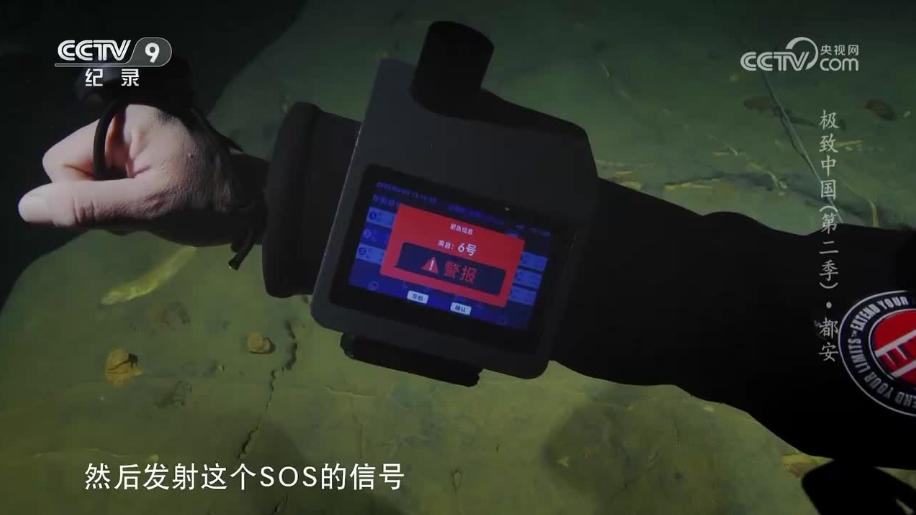
Scientific and Recreational Diving: If a diver is unable to ascend normally due to emergencies such as hypoxia or disorientation, the SOS alert rapidly notifies all team members, ensuring prompt assistance.