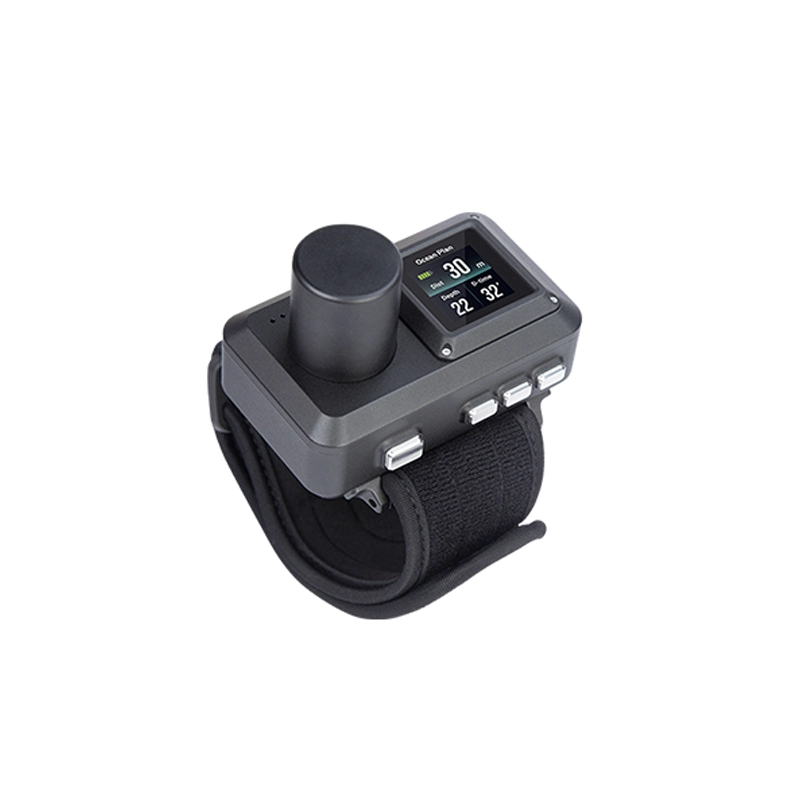
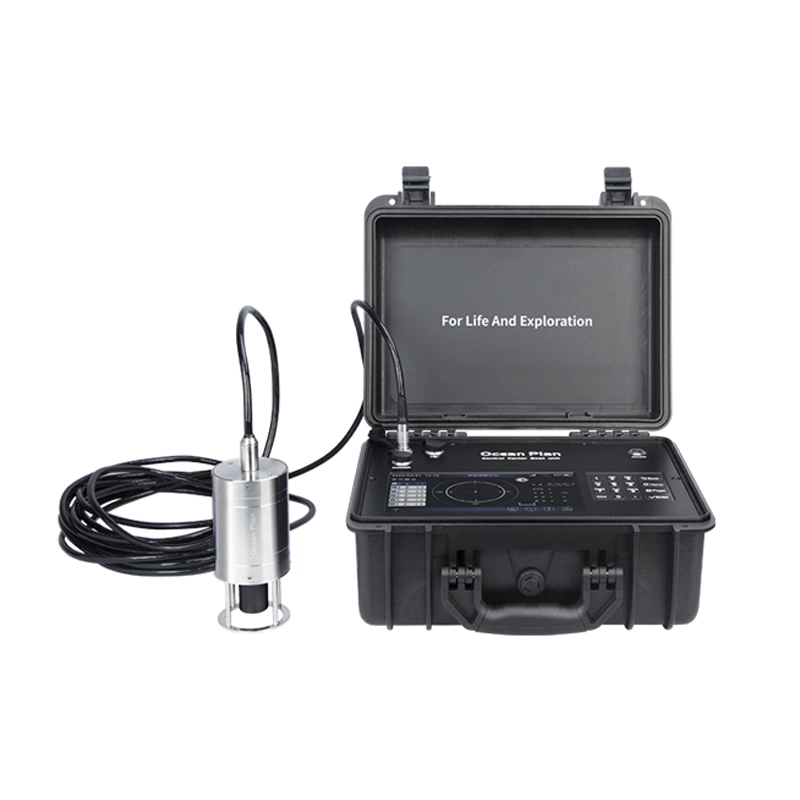
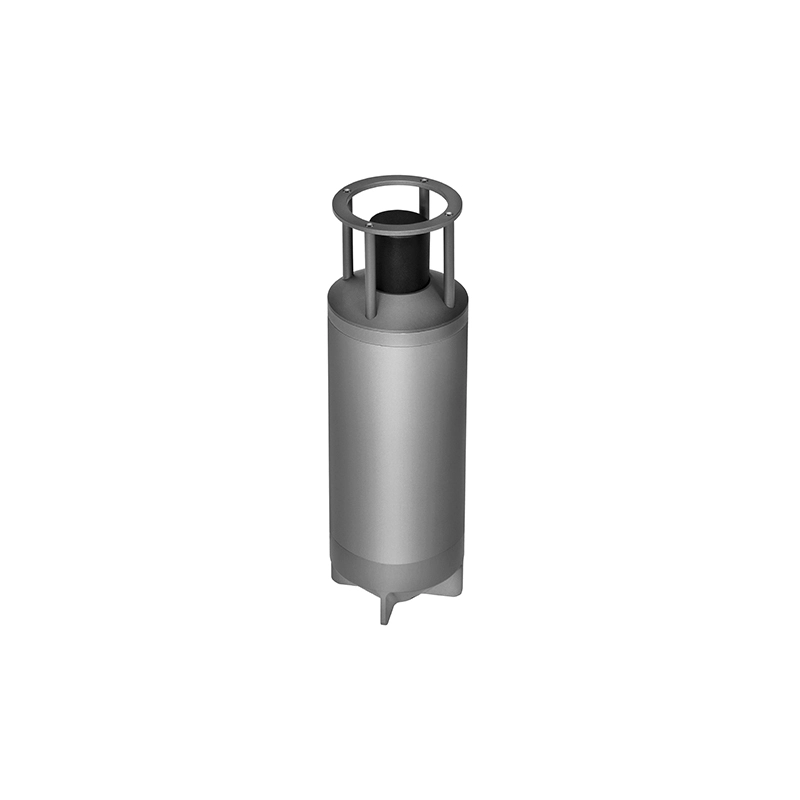
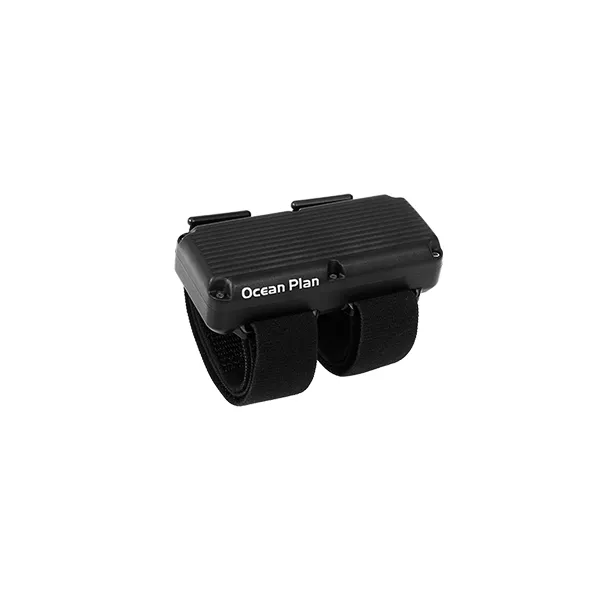
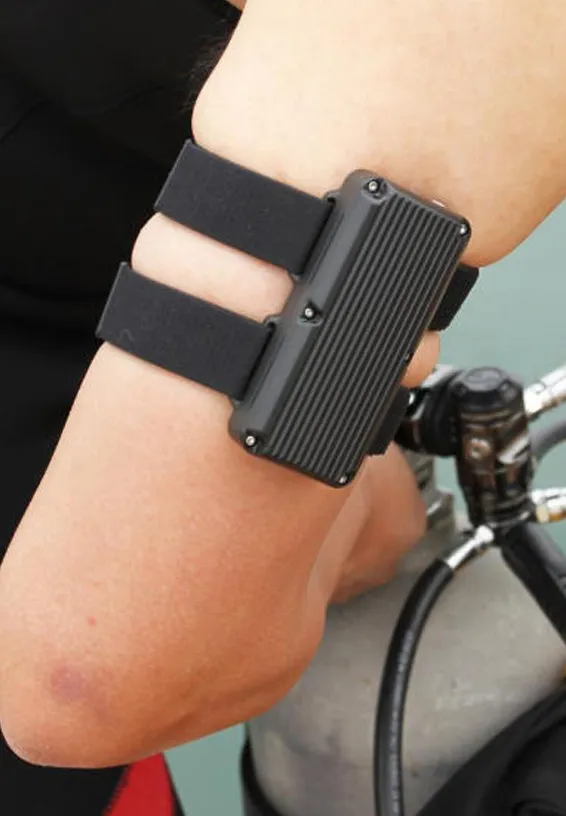
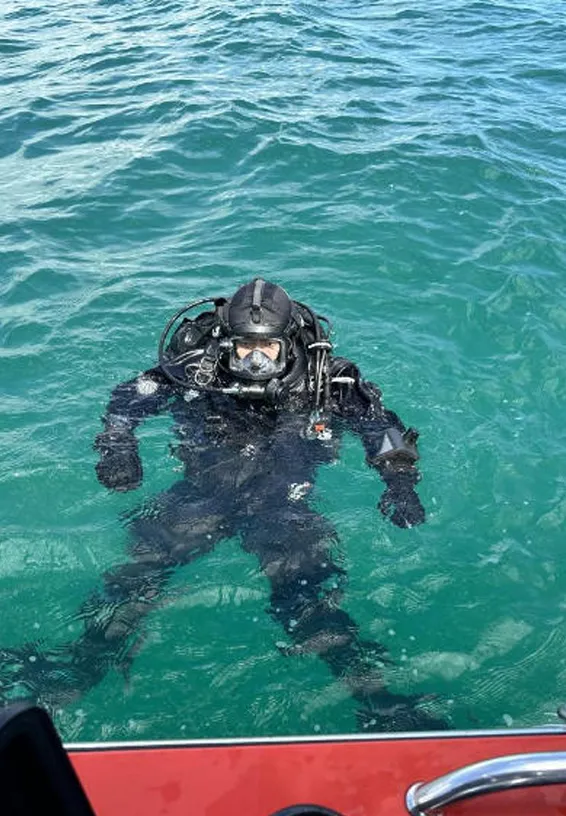
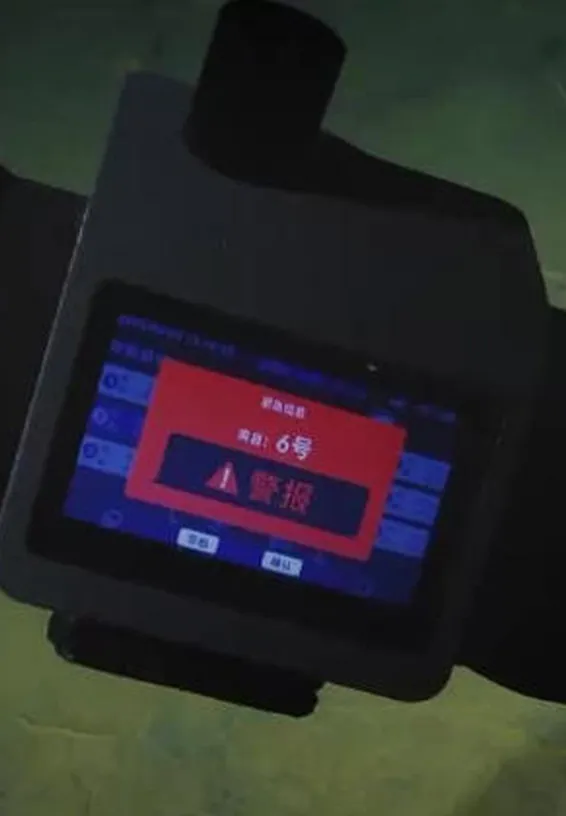
The underwater communication and navigation system features an “Underwater Wireless Networking” capability. Based on a flexible role configuration mechanism, it can construct customized network modes according to dive mission scenarios, team size, and command structure requirements, using a variety of devices such as Control Center and diver different devices.
This function not only supports conventional missions with “surface command + underwater execution”, but also adapts to special scenarios requiring “underwater autonomous command” or “no surface support”, providing a flexible, stable, and efficient communication and positioning network for different types of diving operations.
The core advantages of Underwater Wireless Networking are “role-switching + full scenario coverage.” Network setup requires no complex cabling, and devices can be quickly networked by selecting the required IDs. During the dive, terminal roles (Main Unit/Node Unit) can be adjusted in real time according to mission progress.
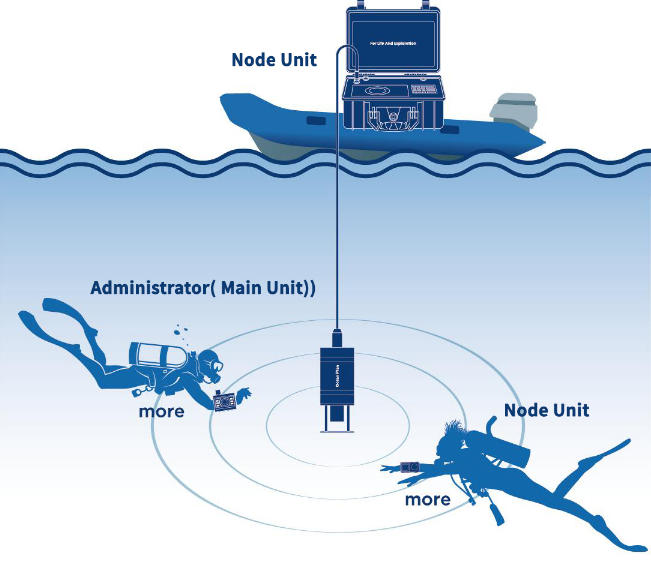
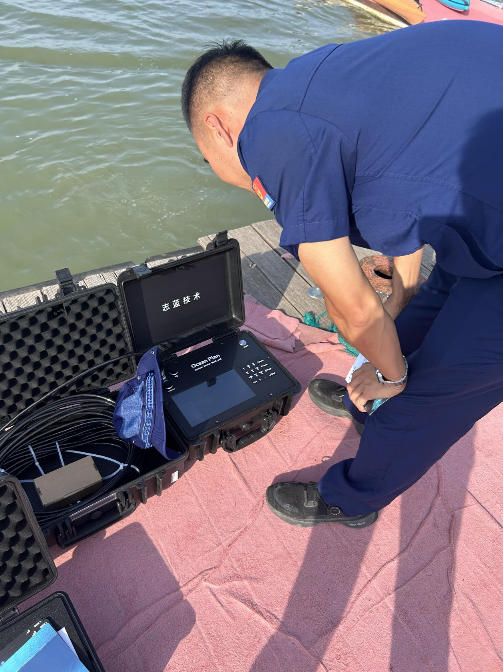
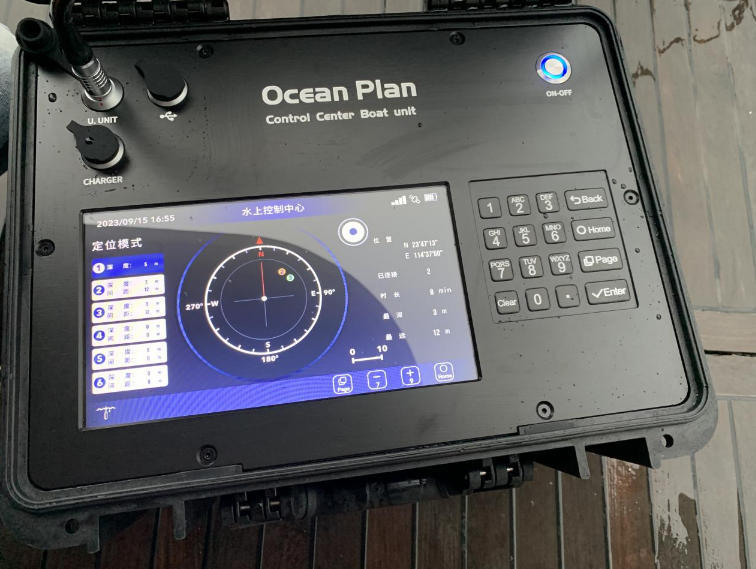
When a dive mission requires surface personnel as the central command, the surface Control Center can be designated as the Main Unit, while all underwater diver device function as Node Units, forming a “surface command + underwater execution” joint network.
This mode is suitable for most conventional diving operations, including public safety rescue, scientific research, and engineering tasks. By enabling unified surface command and coordinated underwater execution, it ensures that mission progress is controllable and risks can be addressed in a timely manner.
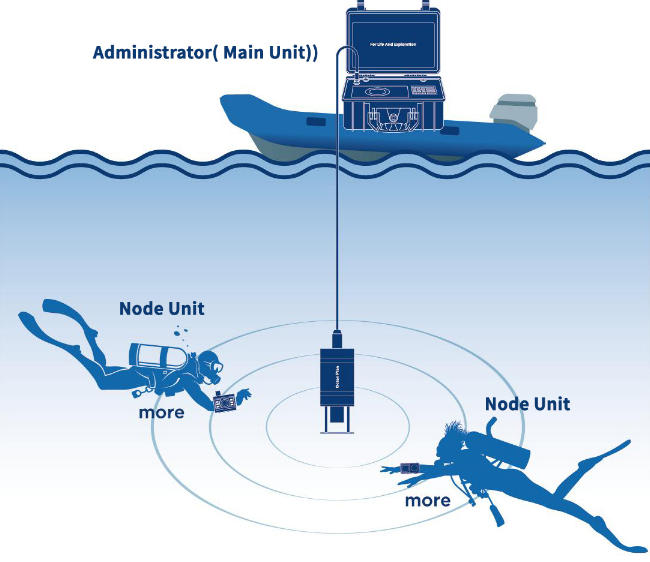
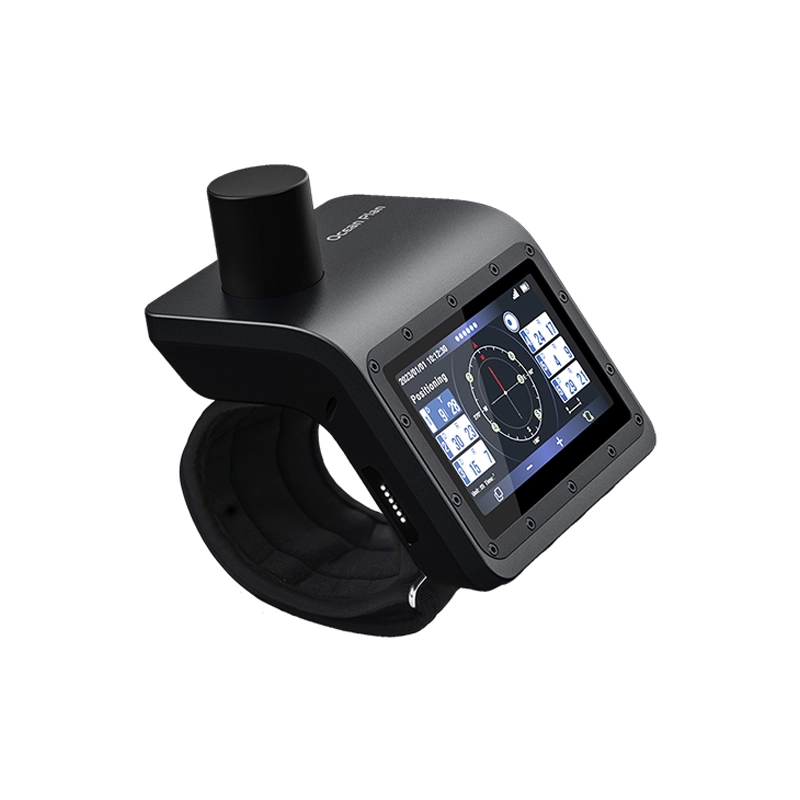
When a dive mission requires underwater personnel as the central command (e.g., deep-water operations or situations where surface personnel cannot remain on-site), the underwater lead diver’s Navygator-Pro can be designated as the Main Unit, while the surface control center functions as a Node Unit, forming a “underwater command + surface coordination” joint network.
If the underwater Main Unit experiences a device failure, another underwater Node Unit can be quickly assigned as the new Main Unit, ensuring continuous command without interruption.
This mode is suitable for missions requiring underwater autonomous decision-making, maintaining surface team coordination while avoiding delays caused by underwater-surface communication latency.
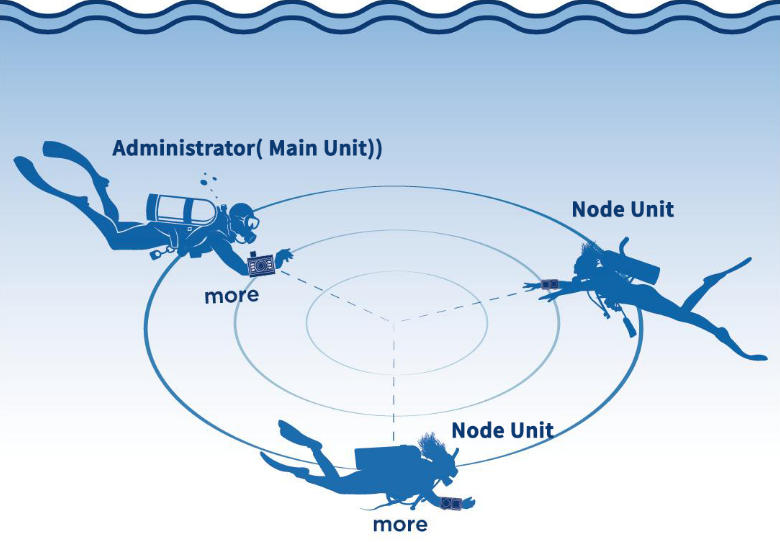
When a dive mission involves no surface personnel (e.g., special reconnaissance, small dive teams), or when mission confidentiality or environmental constraints prevent deploying surface equipment, the network can be independently constructed using only underwater diver devices.
One diver’s Navygator-Pro can be designated as the Main Unit, with the remaining devices acting as Node Units.Under this situation, communication does not rely on surface links, and data is transmitted exclusively between underwater devices. This configuration provides high operational stealth, making it ideal for scenarios such as special operations or underwater archaeological excavations.
Traditional underwater communication systems face limitations such as fixed command structures and poor adaptability to different scenarios. Ocean Plan’s Underwater Communication and Navigation System introduces innovative and versatile underwater networking modes, with the fully autonomous underwater networking mode (no surface equipment required) being a world first.
The core value of the underwater wireless networking function can be summarized in three aspects:
Adaptation to All Mission Scenarios: Whether it is a conventional mission with surface command, a complex mission with underwater command, or a special mission without surface support, flexible networking modes can meet the requirements, avoiding situations where equipment cannot adapt to changing scenarios and reducing mission preparation costs.
Ensuring Command and Coordination Efficiency: Through interconnected multi-terminal networks with dynamic role switching, command authority is never interrupted. In emergencies, such as a Main Unit failure, the command structure can be rapidly reconfigured, maintaining operational continuity.
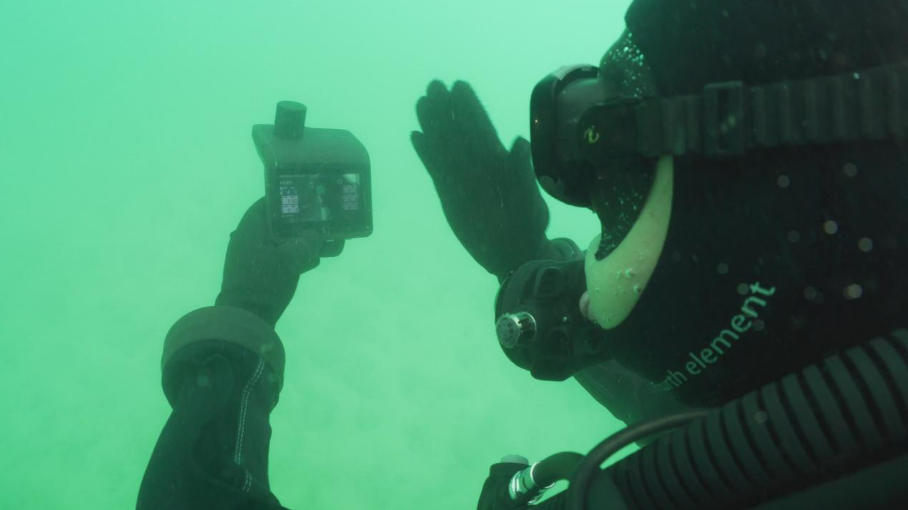
(1) Special Operations Diving
Special Reconnaissance Missions: Using the fully autonomous underwater networking mode, there is no need to deploy surface equipment, avoiding exposure of the mission location. Divers can share positions within the reconnaissance area and target information, enabling covert coordination.
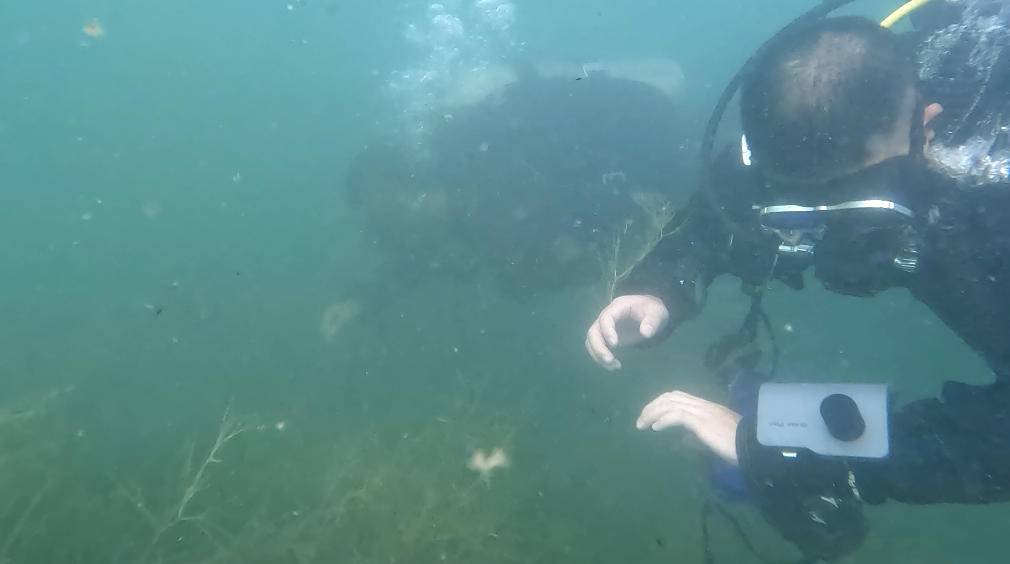
(2) Public Safety Diving
Search and Rescue Missions: Using surface-underwater joint networking (surface as Main Unit), the surface command center acts as the Administrator and connects to multiple rescue diver devices. This setup allows real-time coordination and dispatch of personnel across different areas, ensuring efficient collaborative operations.
Complex Water Operations: Using surface-underwater joint networking (underwater device as Main Unit), the underwater master diver acts as the Administrator, quickly coordinating diver tasks such as exploration or salvage. The surface control center receives synchronized data to assist in preparing rescue equipment, enhancing overall rescue efficiency.
(3) Scientific Diving
Large-Scale Underwater Sampling (e.g., coral reef surveys): Using surface-underwater joint networking (surface as Main Unit), the surface research team acts as the Administrator, assigning sampling areas to multiple underwater divers while synchronously receiving sampling positions and specimen information, avoiding overlap of sampling zones.
(4) Engineering Diving
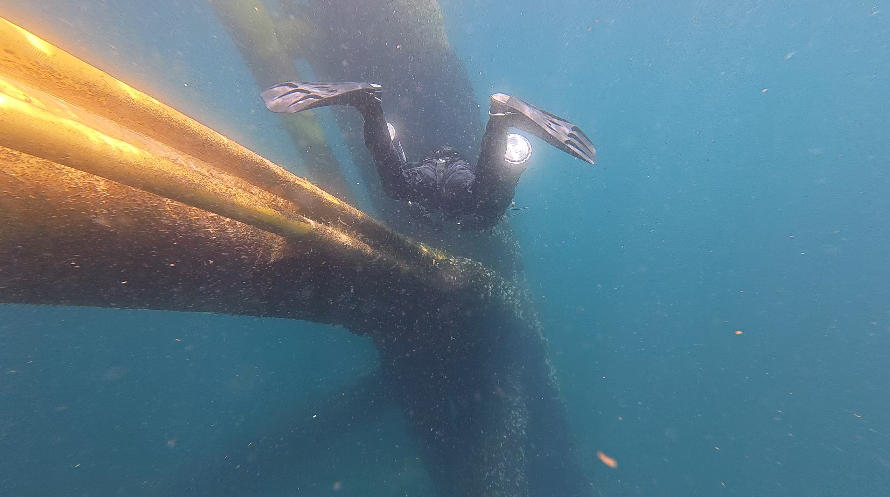
Large-Scale Subsea Construction: Using surface-underwater joint networking (surface as Main Unit), the surface engineering command center functions as the Administrator, connecting construction divers and ROV . This setup allows real-time monitoring of work locations and equipment status, coordinating diver and ROV operations.
Underwater Maintenance Tasks: For deep-water operations, using surface-underwater joint networking (underwater as Main Unit), the underwater maintenance team leader serves as the Main Unit, assigning tasks in real time and receiving feedback on issues. The surface team uses this data to prepare spare parts, improving maintenance efficiency.
(5) Recreational Diving
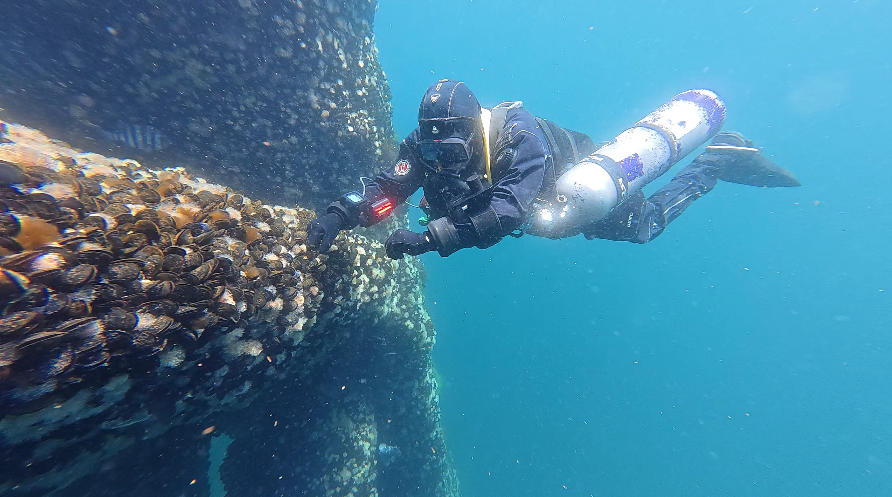
Small Buddy Dives: Using fully autonomous underwater networking, one diver is designated as the Main Unit, sharing locations among the group to prevent buddy separation. At the same time, divers can synchronously monitor each other’s tank pressure, providing timely reminders to ascend safely.