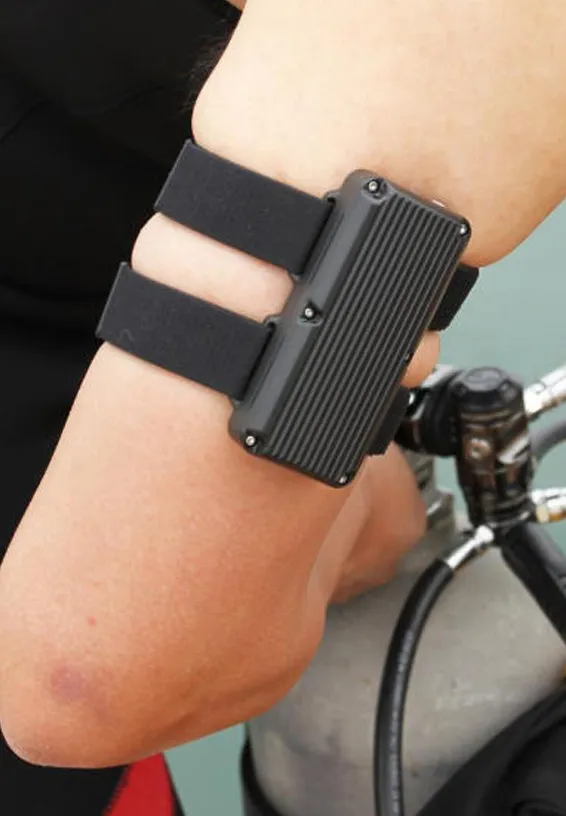
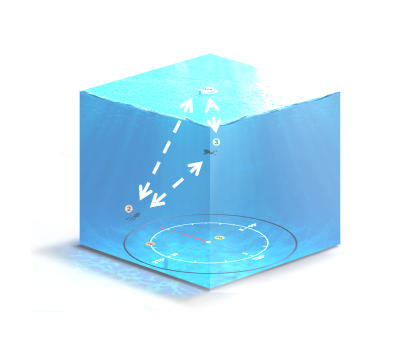
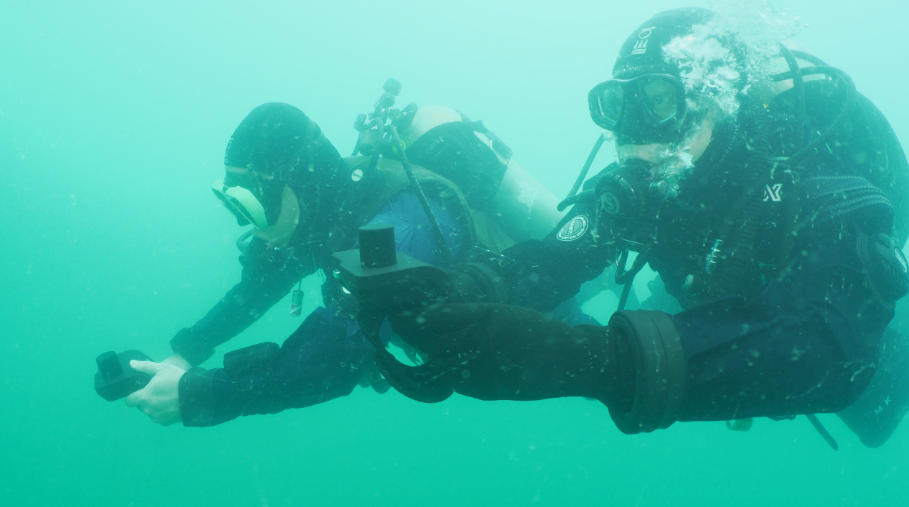
The Underwater Communication and Navigation System integrates the latest acoustic communication technology, combined with digital signal processing and adaptive noise reduction algorithms. This enables the device to support both underwater voice communication and text messaging.
The system allows two-way underwater communication between divers, as well as between divers and surface personnel. Voice signals are highly resistant to interference, and text transmission is remarkably stable, ensuring more precise delivery of operational instructions and timely status feedback. This directly enhances underwater coordination efficiency and personnel safety.
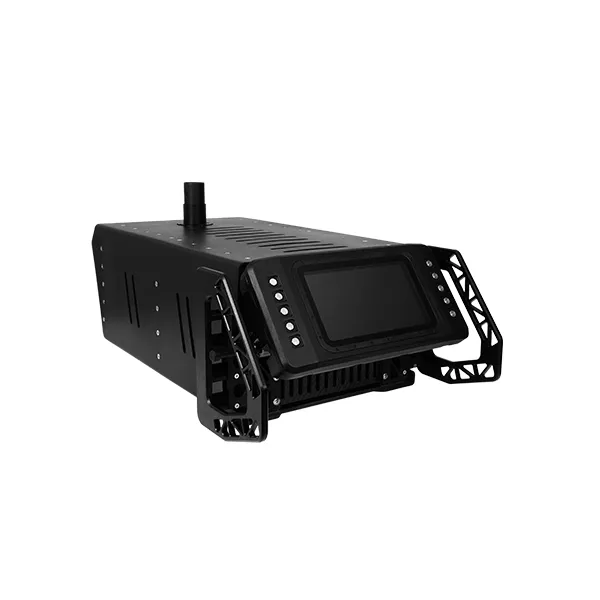
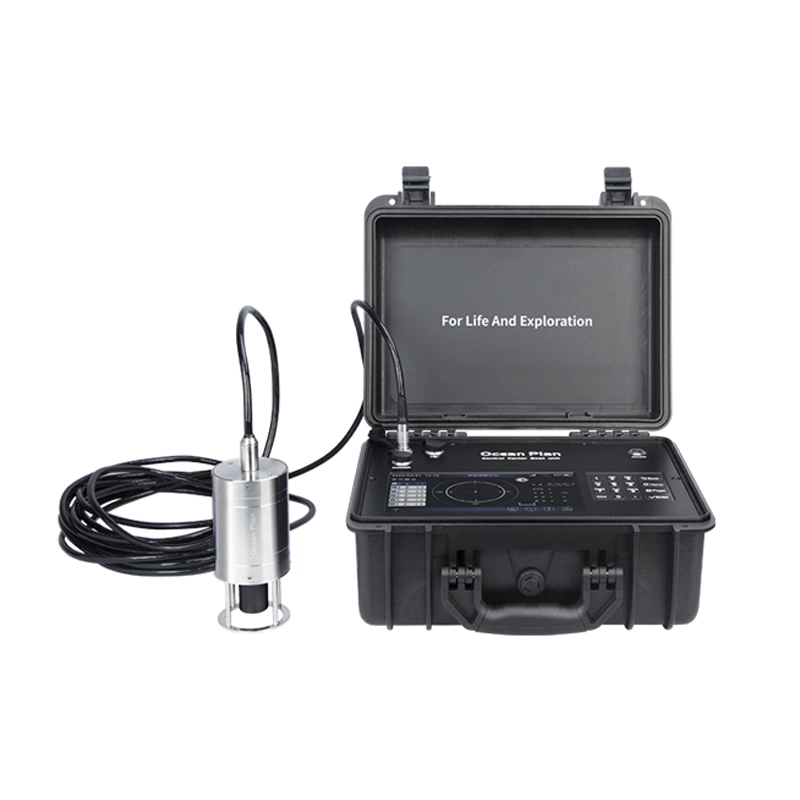
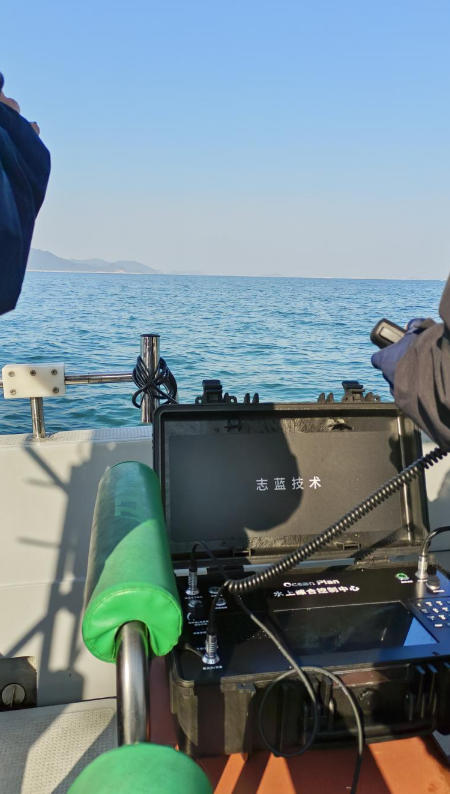
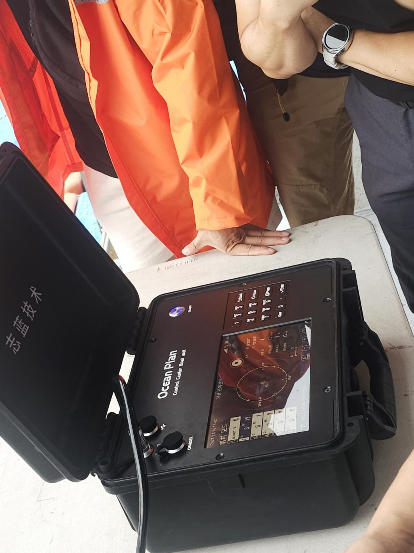
Surface Operation: Surface command personnel operate the surface Control Center, holding a microphone and pressing a push-to-talk button. Underwater voice is transmitted through surface devices, allowing it to be heard via headsets or external speakers.
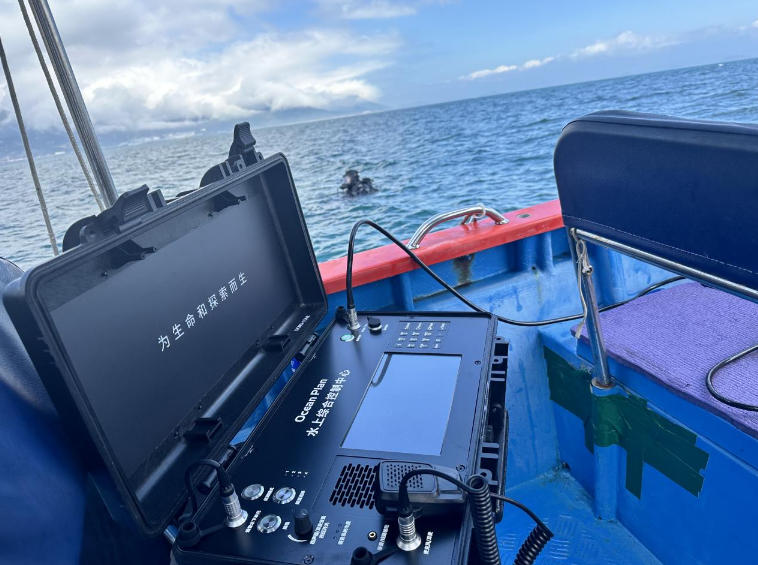
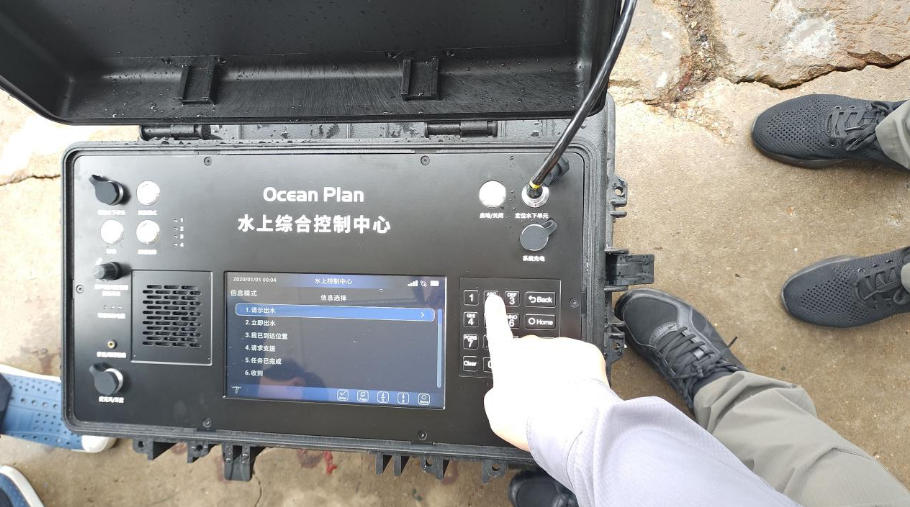
Control Center
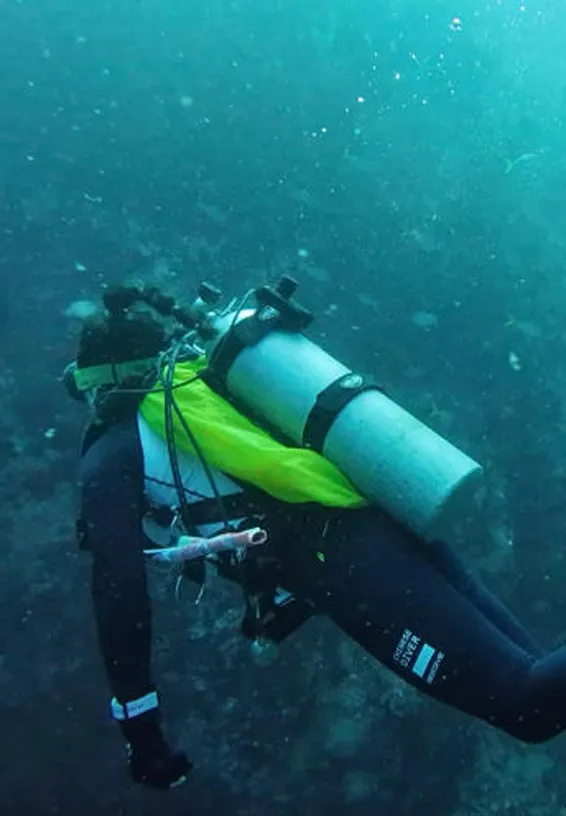
Underwater Operation:
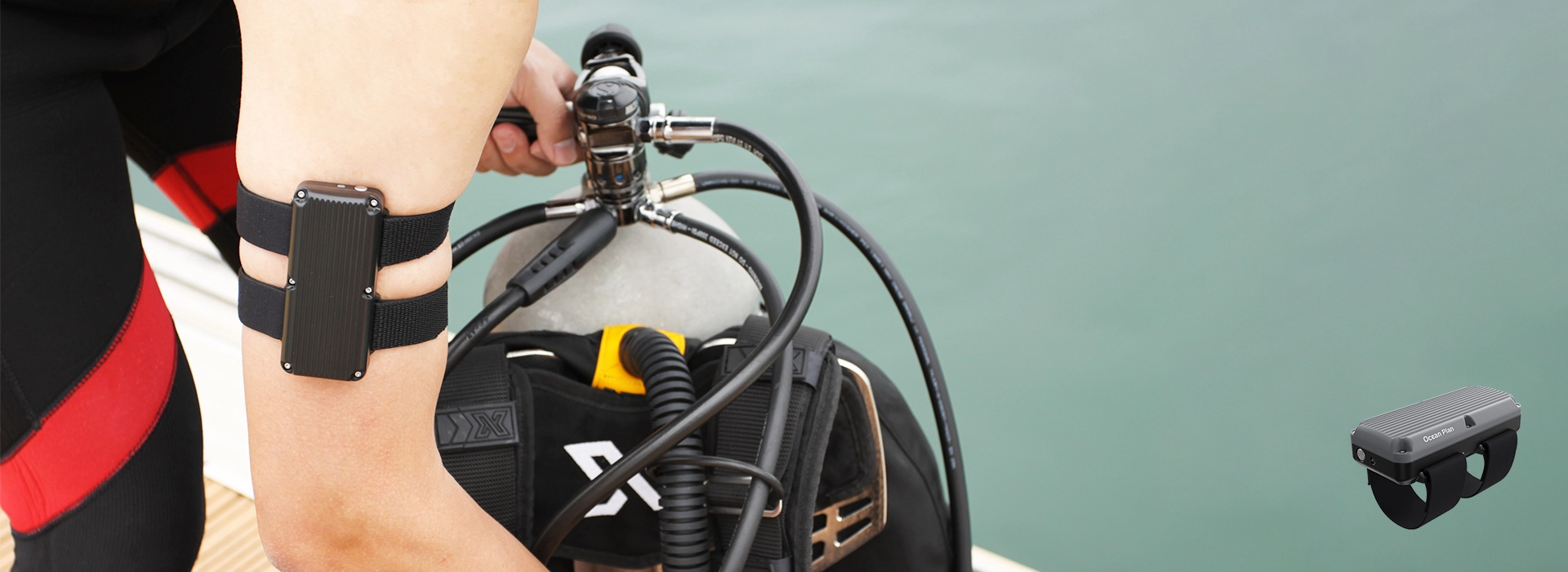
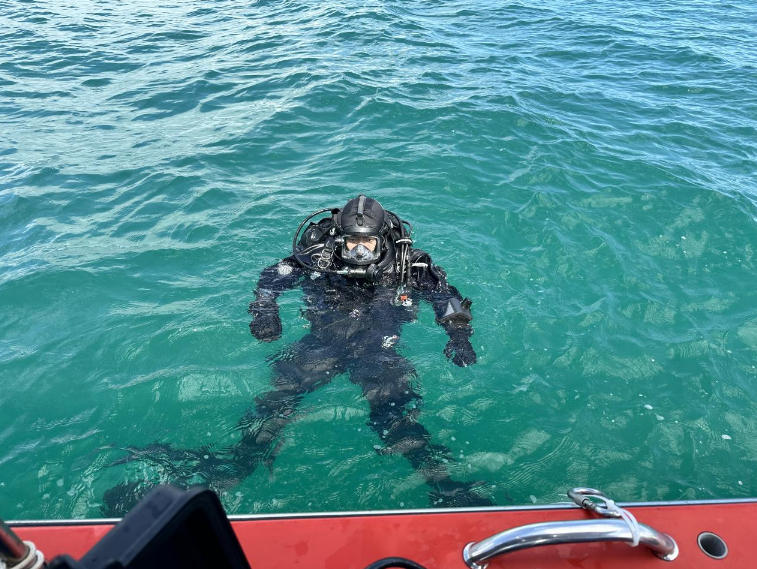
The diver’s underwater communication terminal is Diver Voice Unit, which equipped with a high-sensitivity microphone and professional-grade waterproof earphones, enabling precise voice capture while effectively reducing distortion and noise interference. Even in complex underwater environments, the system ensures clear and intelligible voice communication.
The system comes with 30 preset, high-frequency text messages covering a wide range of common underwater scenarios. These include task instructions, status updates, and emergency notifications such as “I‘m in position,” “Target spotted,” and “Entanglement underwater.”etc.
These preset messages meet communication needs for the vast majority of underwater operations, allowing divers to quickly convey critical information without manually typing long text, greatly improving communication efficiency.
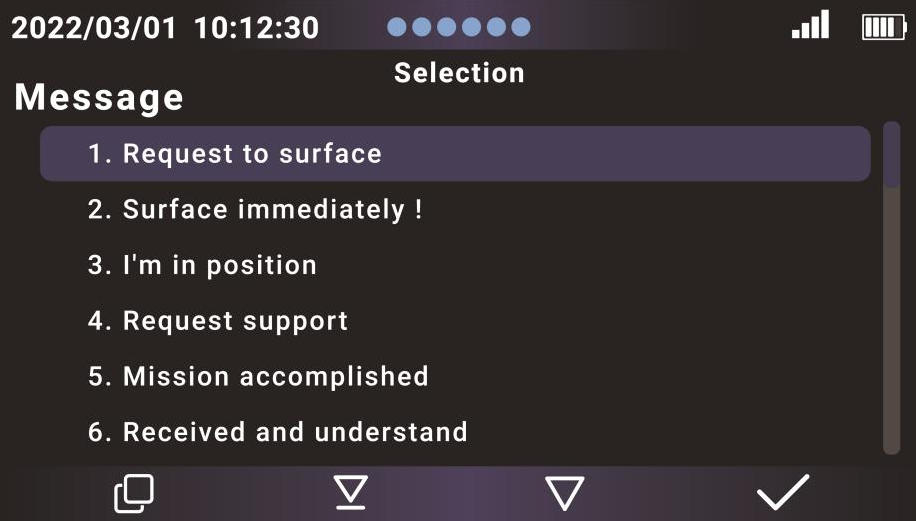
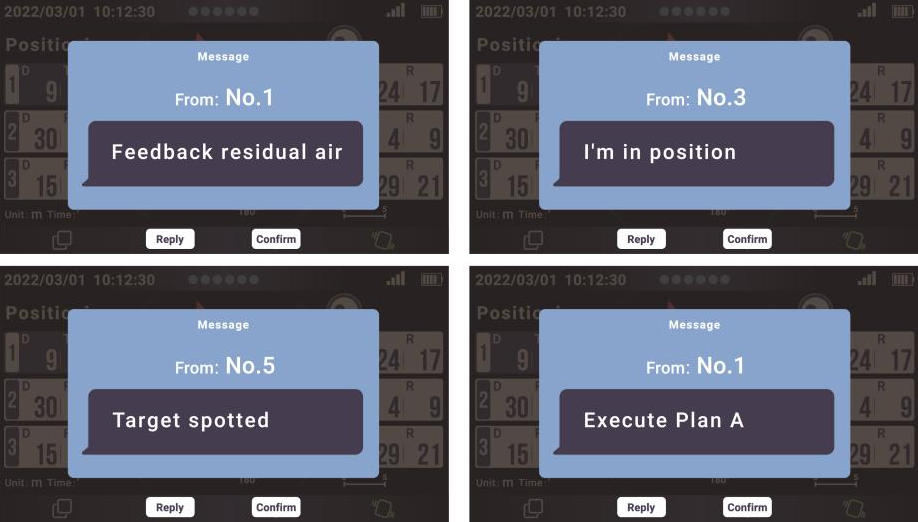
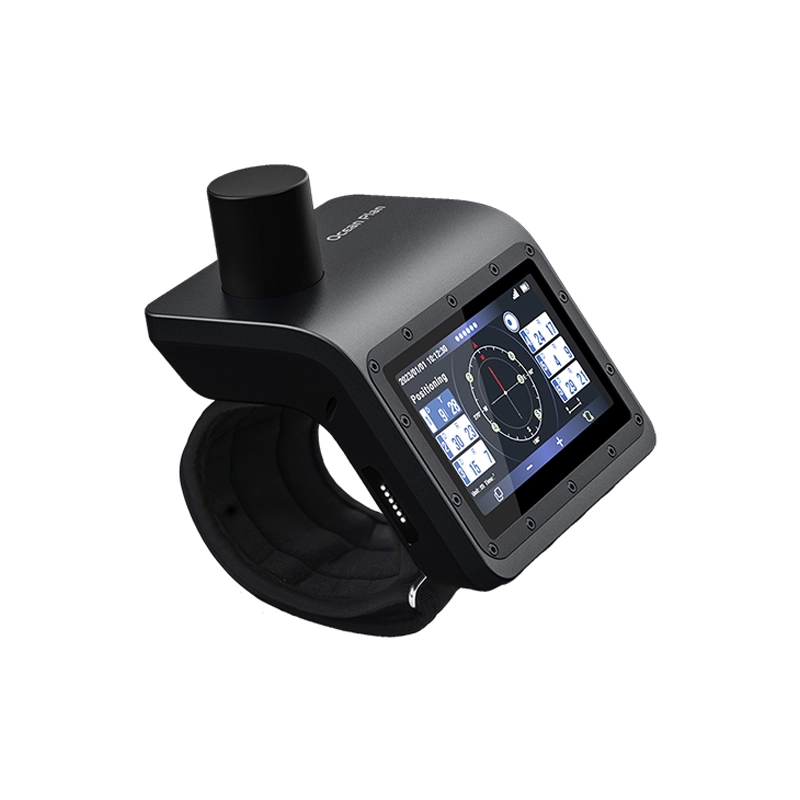
Message mode
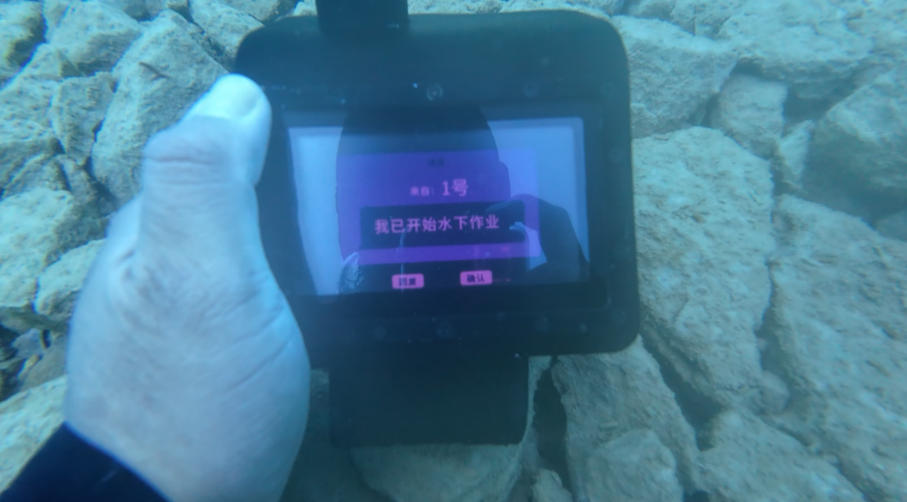
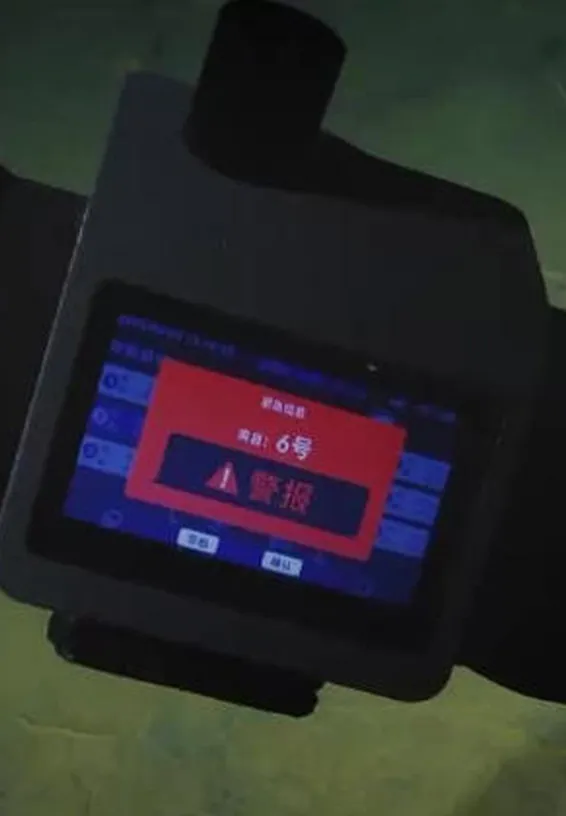
Diver received messages underwater
(1) Improving the Efficiency of Underwater Operations
In all types of underwater activities, clear, accurate, and immediate communication is essential for efficient task execution. Take underwater archaeological missions as an example: when divers are excavating artifacts at an underwater site, the underwater wireless communication system allows them to stay in real-time contact with surface command personnel.
When a significant artifact is discovered, the diver can instantly report its location, condition, and surrounding environment. Based on this information, command personnel can quickly make decisions—such as deploying specialists to assist or adjusting the excavation plan.
This real-time exchange of information prevents delays caused by communication lag, greatly enhances the efficiency of archaeological operations, and reduces the risk of damage to cultural relics.
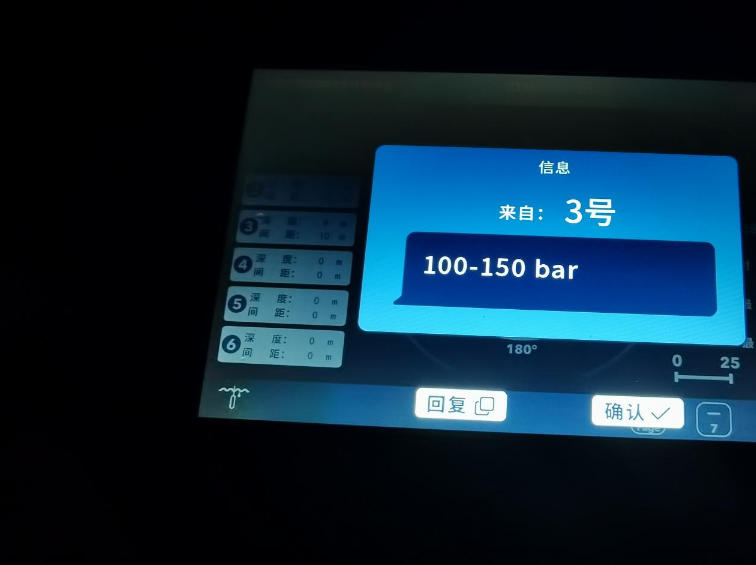
Diver feedback the residual air
(2) Ensuring Underwater Personnel Safety
The uncertainties of the underwater environment require underwater communication systems to have real-time alerting capabilities, as timely communication plays a decisive role in protecting diver safety. During a dive, both the diver’s physical condition and the surrounding environment can change at any moment. Through underwater wireless communication, surface personnel can continuously monitor the diver’s status as well as receive critical information transmitted by the diver.
If any abnormal situation is detected, the system enables surface personnel to issue immediate warnings, remind the diver to take appropriate measures, or dispatch rescue personnel to provide assistance.
In the event of an emergency—such as underwater currents, entanglement, or structural collapse—divers can use the underwater wireless communication device to quickly send a distress signal to their teammates and surface command personnel, informing them of their location and the nature of the danger. Based on this information, rescue personnel can rapidly formulate a rescue plan and take action, preventing the diver from becoming isolated due to loss of contact and ensuring their safety to the greatest extent possible.
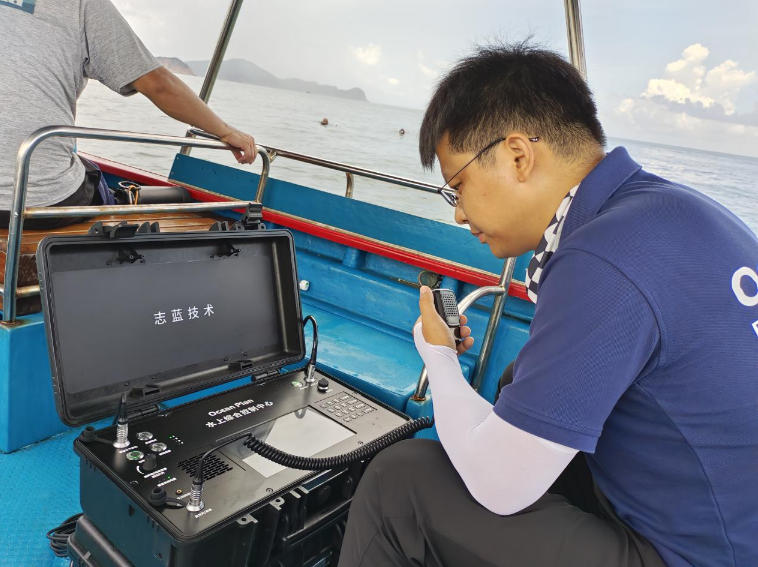
Realtime surface & underwater communication
Underwater wireless communication technology demonstrates significant value in various diving operations. By enabling real-time transmission and sharing of information, it greatly enhances the safety, coordination, and efficiency of underwater activities.
(1) Special Operations Diving
In special-operations diving missions, underwater wireless communication enables real-time voice exchange between special mission divers, as well as underwater text messaging. The commander can quickly issue orders based on the evolving situation, ensuring efficient tactical coordination and precise execution among multi-diver teams during infiltration, reconnaissance, and similar tasks.
Meanwhile, the stealth characteristics of the underwater communication and navigation system ensure the security and confidentiality of operational activities.
(2) Public Safety Diving
In public safety missions such as rescue or recovery operations, divers can use wireless communication to report real-time on-site conditions—for example, the location of victims, water current speed, water turbidity, and potential hazards. Based on this information, the commander who use control center can quickly formulate rescue plans, allocate resources, and issue real-time instructions.
Divers can also share their search progress and coverage areas with one another, avoiding redundant work and significantly improving overall rescue efficiency and success rates.
(3) Scientific Research Diving
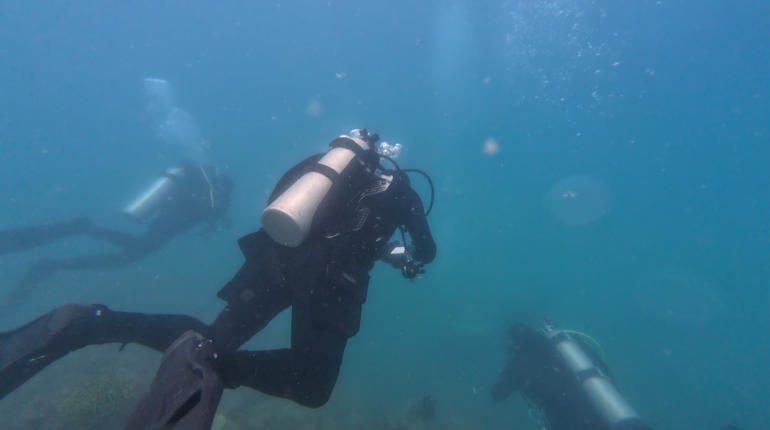
In marine research and environmental surveys, researchers can use underwater wireless communication to report sampling progress, experimental conditions, and any anomalies in real time. Based on this feedback, the command center can dynamically adjust the task schedule and sampling strategies, ensuring both the safety of the research process and the accuracy of the collected data.
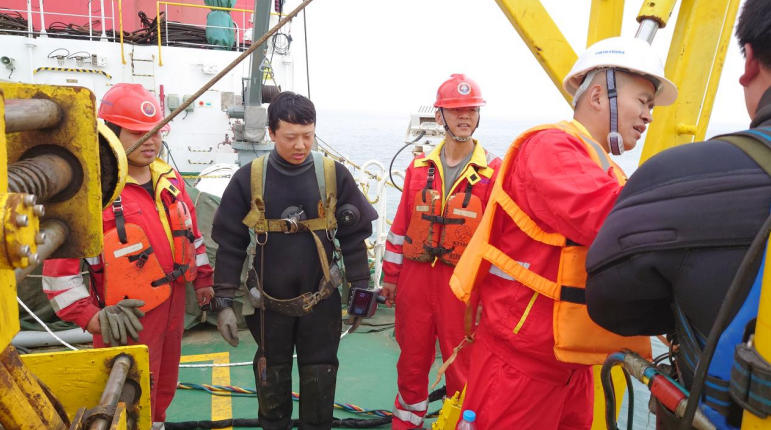
(4) Engineering Diving
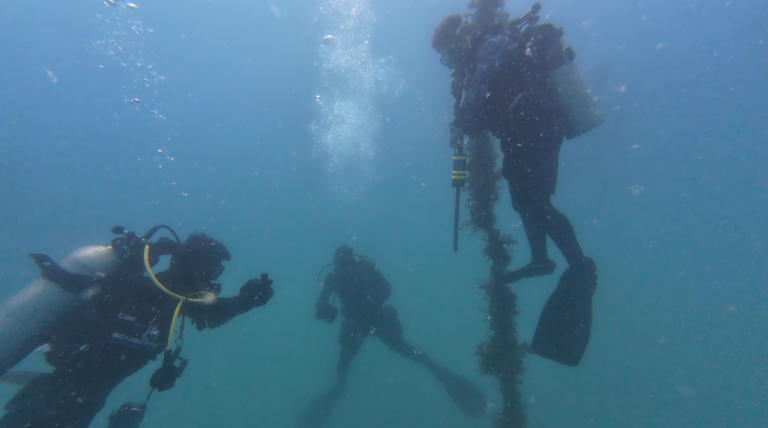
In underwater construction, inspection, and maintenance operations, underwater wireless communication allows divers to report construction progress, environmental changes, and unexpected issues in real time. Based on this information, the command center can coordinate other equipment and personnel, optimize the workflow, and improve both operational efficiency and safety.