The development of underwater technology represents one of the most remarkable achievements in modern engineering. From early mechanical diving gear to sophisticated underwater communication and positioning systems, the evolution of this technology has transformed how humans interact with the ocean.
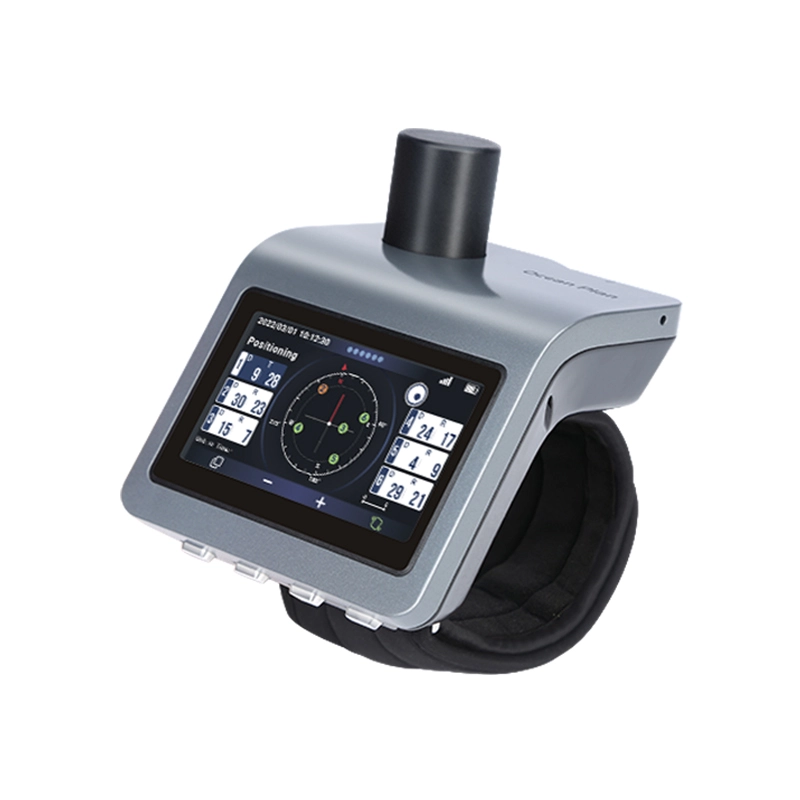
Today, Ocean Plan, a pioneer in underwater communication and safety solutions, demonstrates how technological progress can overcome environmental limitations. By integrating sensors, digital communication, and underwater positioning systems, modern underwater technology enables efficient coordination among divers, improves collaboration in low-visibility environments, and ensures precise tracking in complex underwater missions. This evolution has made underwater operations more secure, effective, and accessible to industries far beyond marine exploration.
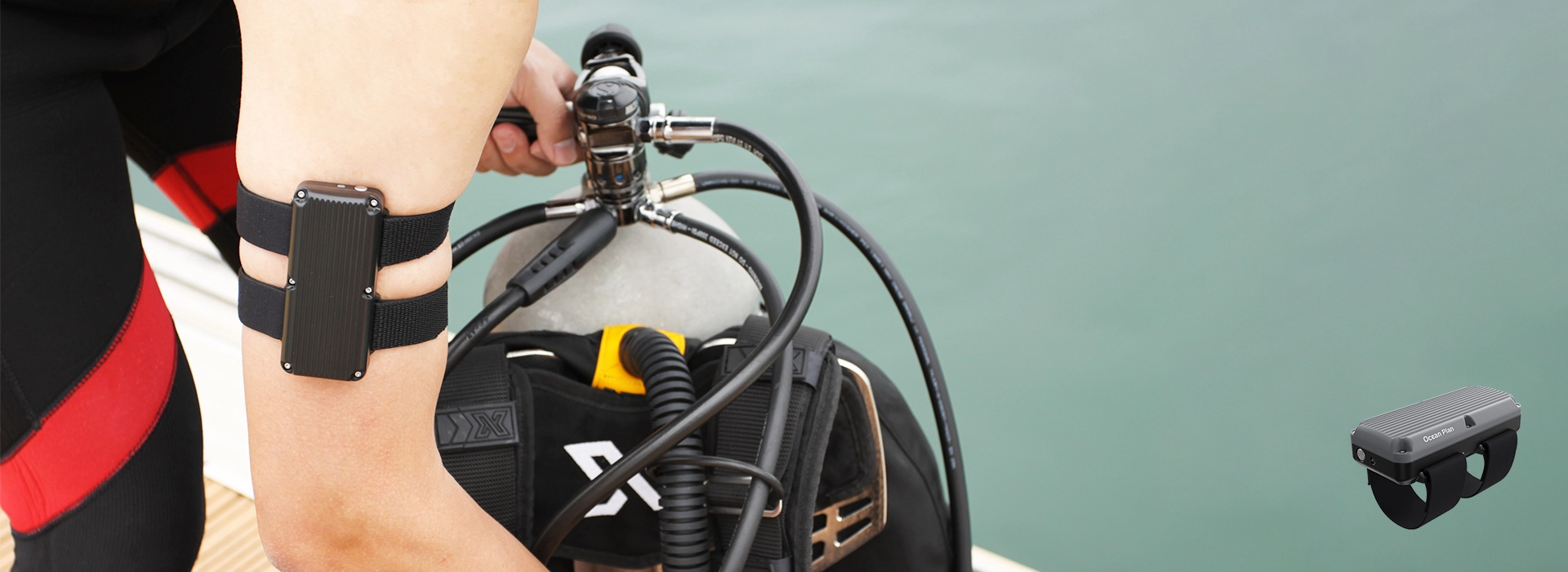
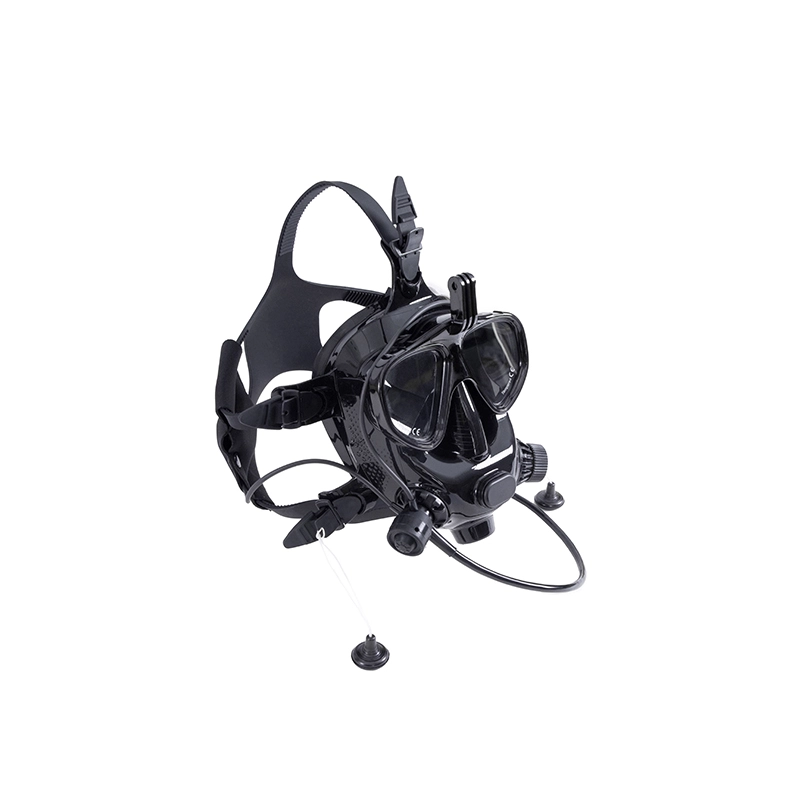
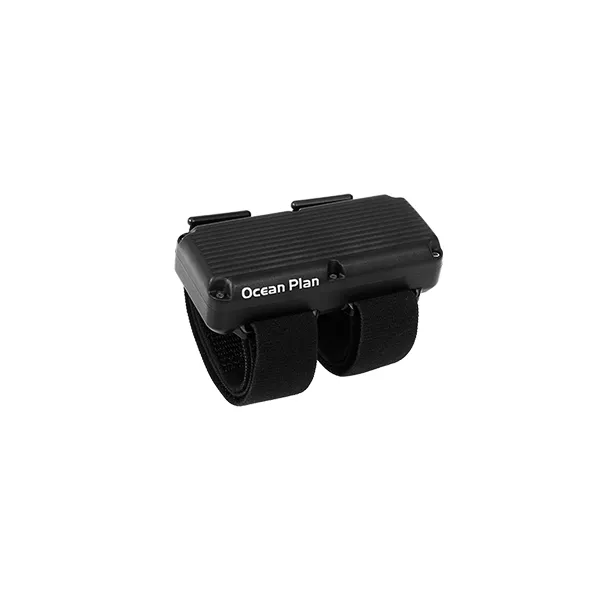
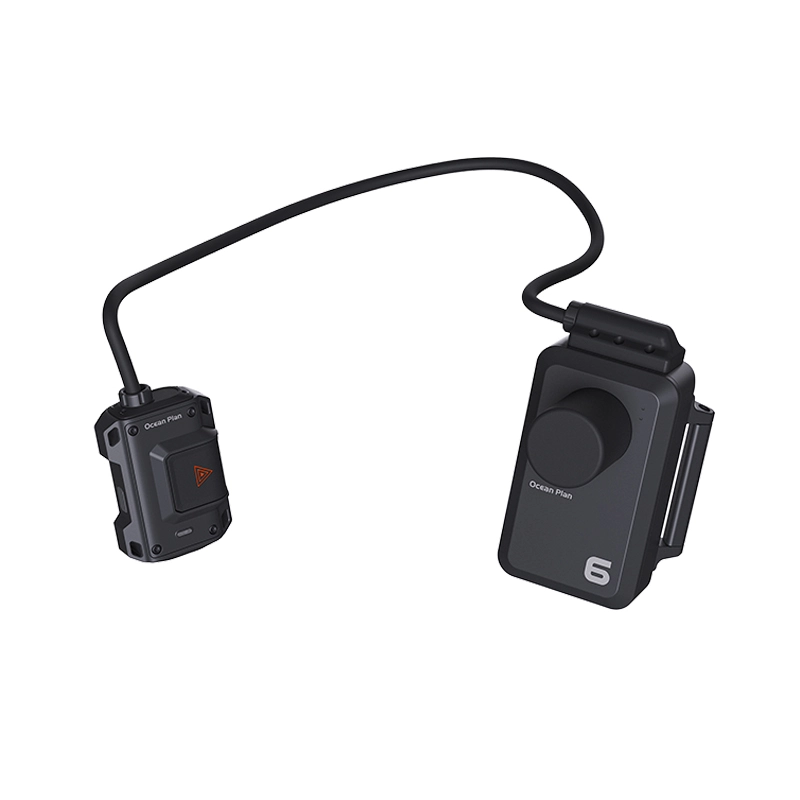
Safety is the core of any underwater activity. Whether in rescue missions, marine research, or offshore operations, underwater technology plays a vital role in protecting divers and equipment. Reliable scuba underwater communication systems allow divers to maintain real-time contact with surface teams, ensuring that vital information can be transmitted even in deep or murky waters. Ocean Plan's innovations in underwater communication and positioning make it possible to locate divers accurately, minimizing risks associated with disorientation or isolation. The use of stable acoustic signals and underwater navigation systems provides continuous monitoring and rapid response capability. This not only enhances safety but also increases operational efficiency by streamlining coordination in challenging environments.
Aspect | Traditional Diving Methods | Modern Underwater Technology |
Communication | Limited to hand signals or basic line tugs | Real-time voice and data transmission through acoustic communication |
Positioning | Manual orientation using compasses | Automatic diver tracking with digital mapping systems |
Safety Management | Based on visual monitoring | Enhanced through continuous data exchange and alerts |
Operational Range | Restricted by visibility and physical signals | Extended range with reliable signal transmission and monitoring |
Efficiency | Dependent on diver experience | Supported by integrated systems for precision and coordination |
The comparison clearly highlights how underwater technology has revolutionized underwater operations. What was once dependent on physical cues and limited communication is now supported by intelligent systems that ensure safety, connectivity, and precision. Companies like Ocean Plan continue to refine these technologies, bridging the gap between human capability and environmental complexity.
The applications of underwater technology extend across a wide range of sectors. In emergency rescue and firefighting operations, it enables coordinated underwater search and recovery missions under difficult conditions. For marine departments and scientific researchers, these technologies allow for accurate mapping, data collection, and long-term monitoring of underwater ecosystems. Even in industrial and energy sectors, such as offshore oil and wind farms, underwater communication and positioning systems ensure the safety of maintenance teams working below the surface. Through these diverse applications, the integration of technology not only supports human safety but also promotes the understanding and protection of marine environments.
As innovation continues, the future of underwater technology will move toward greater integration, intelligence, and sustainability. With the support of advanced systems developed by Ocean Plan, underwater communication networks are becoming smarter and more adaptive, capable of operating autonomously in extreme conditions. The combination of real-time data analytics, AI-assisted monitoring, and improved energy efficiency will enable deeper, safer, and more effective underwater missions. These advancements will not only enhance operational performance but also strengthen humanity's ability to explore, protect, and coexist with the vast underwater world.