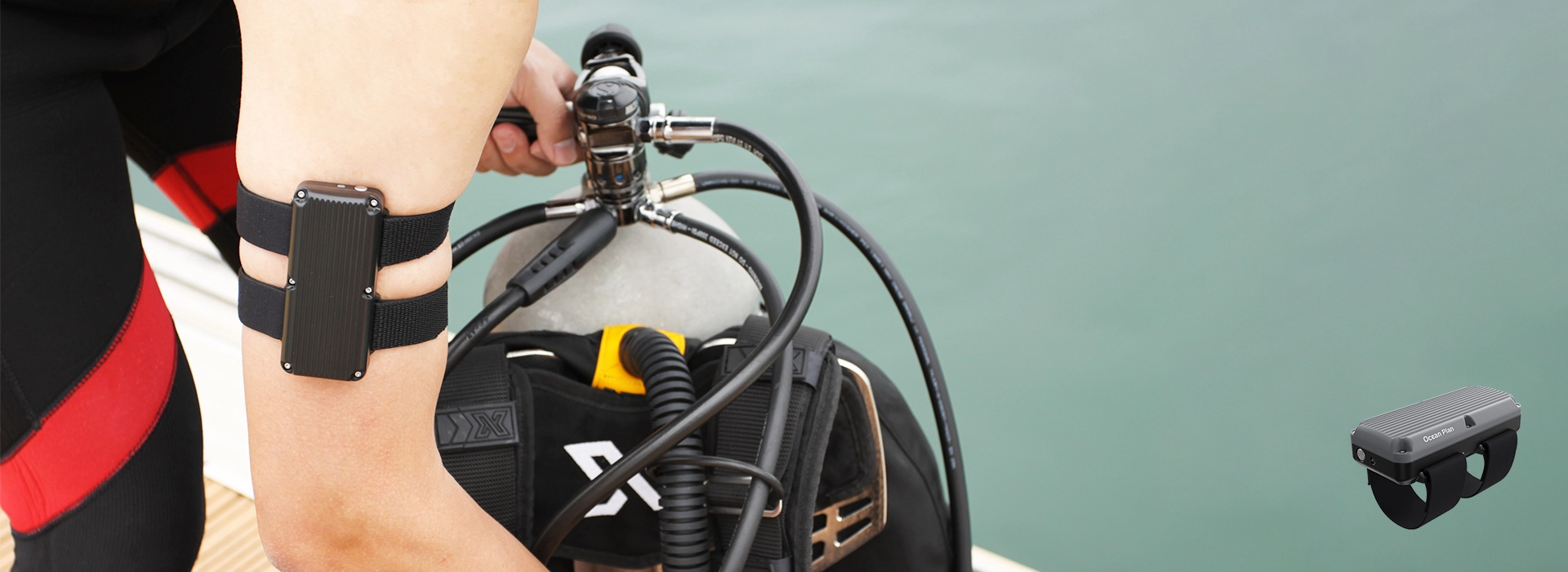
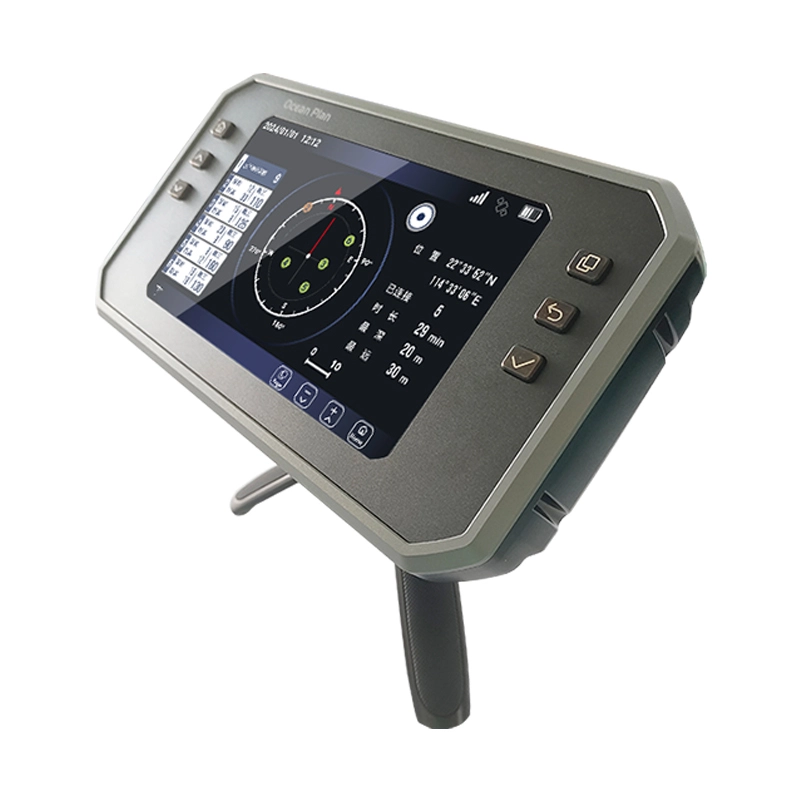
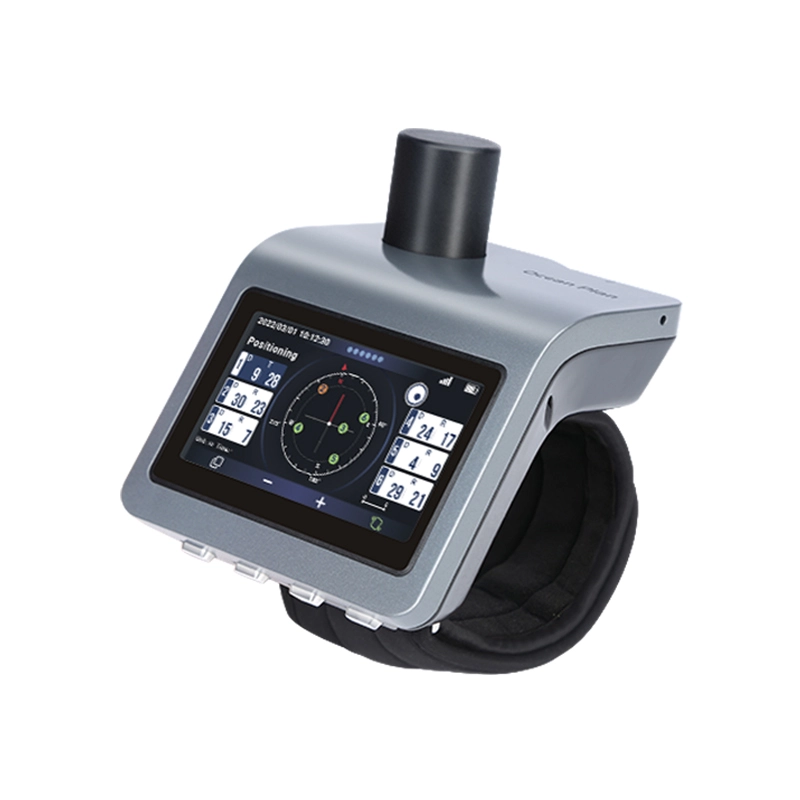
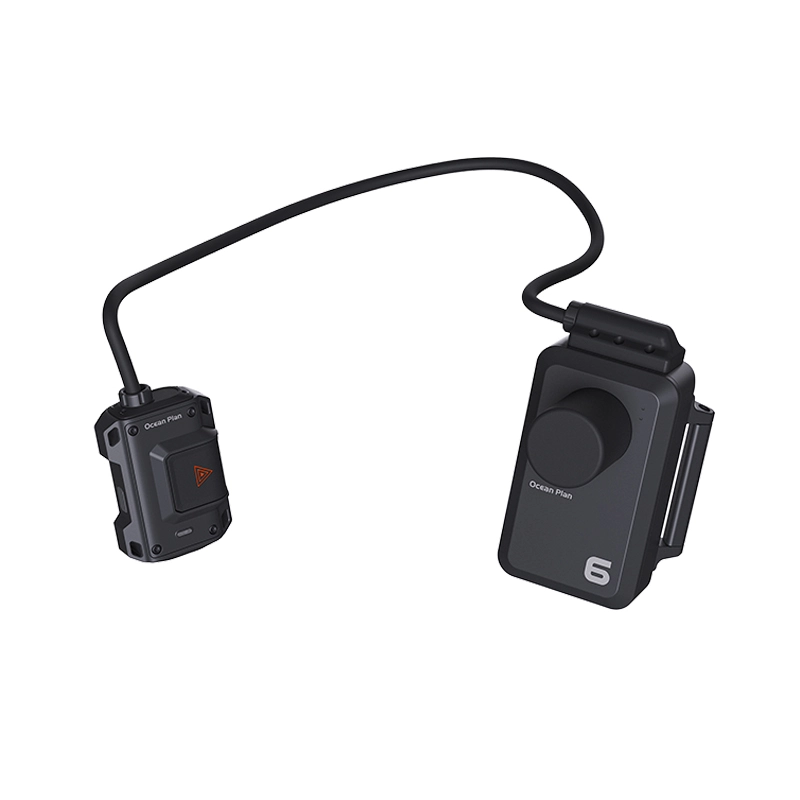
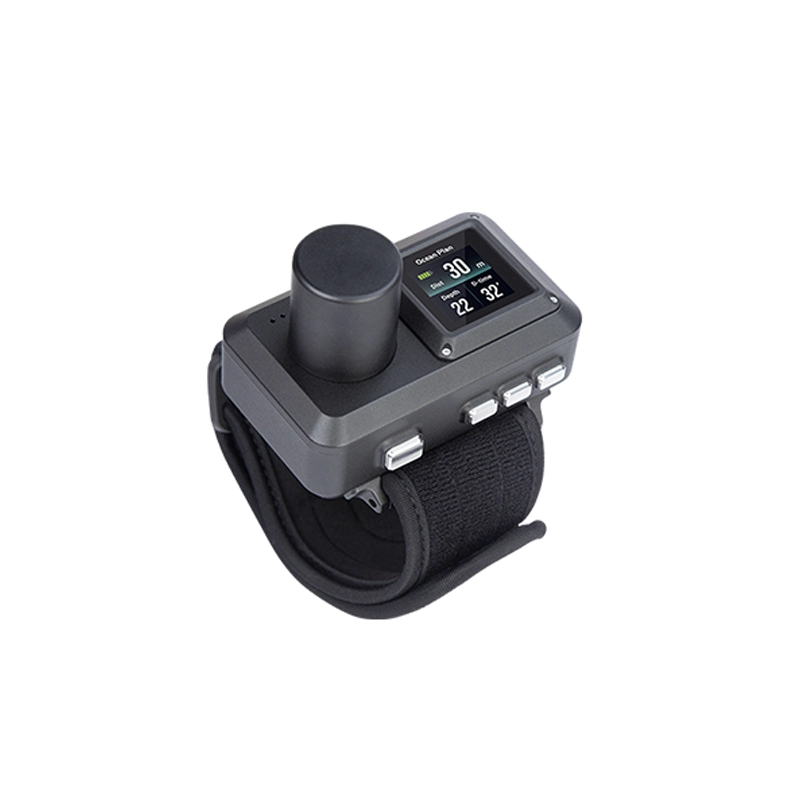
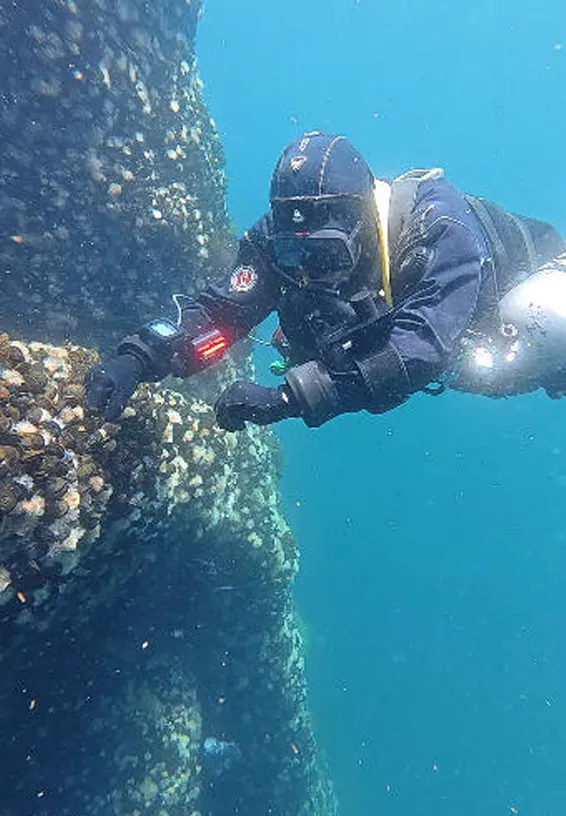
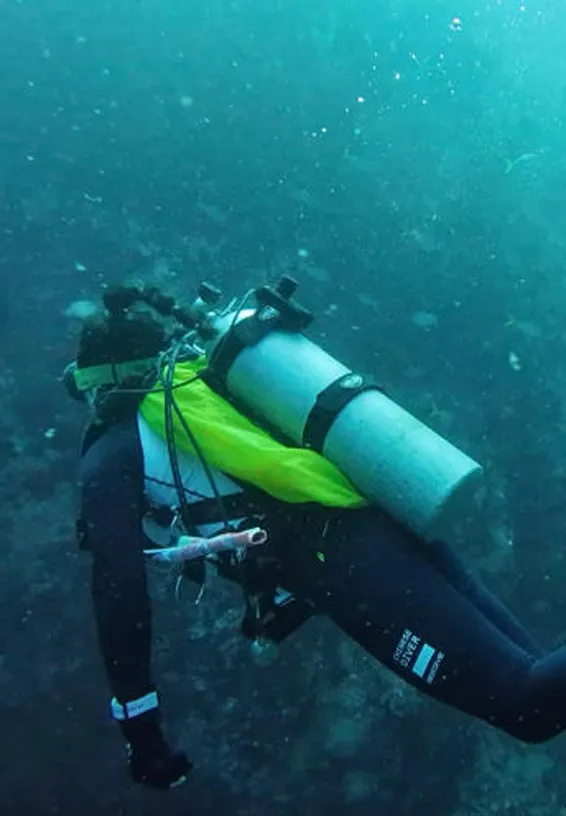
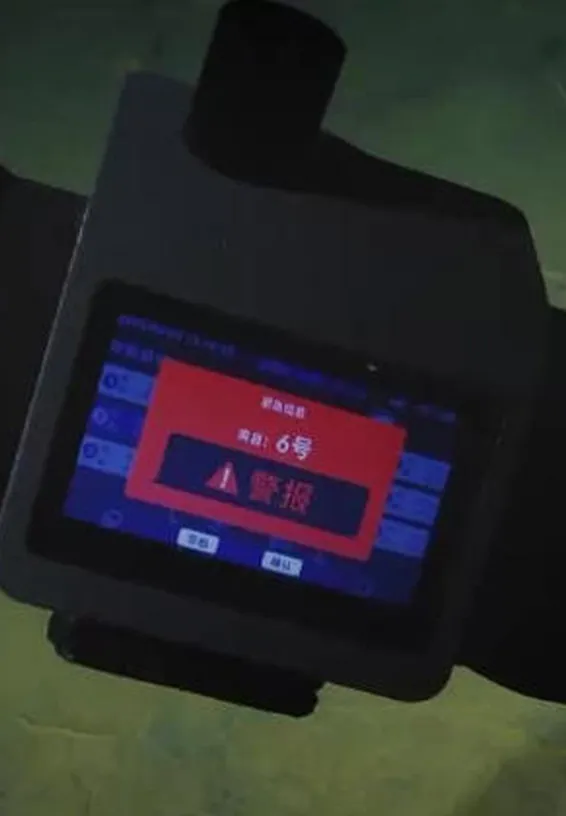
The underwater communication and navigation system features “Diver Tank Pressure Monitoring,” which uses high-precision pressure sensors and real-time data transmission technology to dynamically track a diver’s remaining tank pressure. This provides critical data for assessing safe dive duration and predicting potential risks.
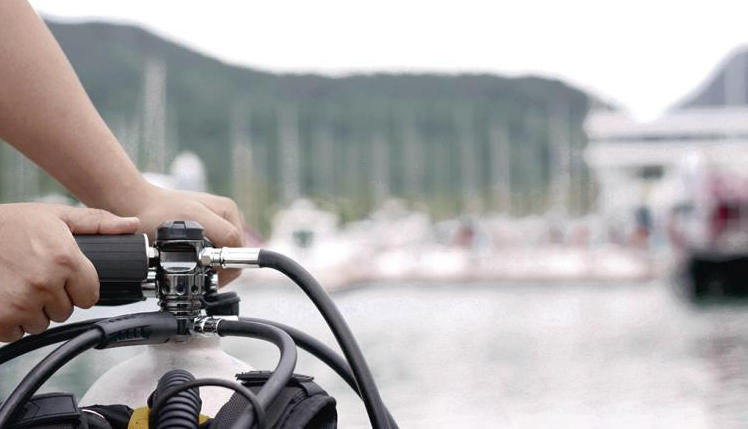
At the core of this function is the Diver Tank Pressure Sensor, which accurately captures pressure changes within the tank. Data is simultaneously transmitted to the diver’s Dive Navigation Computer and the surface Control Center, without affecting tank sealing or normal use of diving equipment. This ensures data accuracy while maintaining both operational safety and continuity.
Before a dive, the diver attaches the Tank Pressure sensor to the tank valve (compatible with common interfaces such as Yoke or DIN), tightens it, and powers on the device. The sensor automatically pairs via wireless signal with the diver’s Dive Navigation Computer and the surface Control Center.
Made from high-pressure, waterproof materials, the sensor can operate at depths of 0–200 meters. Even under strong currents, it reliably collects pressure data and transmits it via the acoustic communication link, creating a dual-layer monitoring system: “diver self-monitoring + surface oversight.”
The system continuously collects and wirelessly transmits a diver’s remaining tank pressure. Divers can view real-time pressure values and pressure change curves on their navigation computer, allowing them to clearly understand remaining gas volume. Surface command personnel can monitor all divers’ tank pressures by ID via the surface Control Center, ensuring precise situational awareness.
Historically, misjudging remaining tank gas has been a major hidden risk in diving accidents. Traditional methods rely on divers manually reading their pressure gauges, which is inconvenient (requiring one hand to operate) and cannot be synchronized with surface teams in real time.
Without monitoring, a diver focused on tasks might overlook pressure drops, or misread the gauge in low-visibility conditions, resulting in insufficient gas remaining and potential hazards such as hypoxia or forced emergency decompression.
For example, during public safety dives with multiple divers, the surface team may be unaware if a diver’s tank is depleted, leading to delayed rescue.
The real-time Tank Pressure monitoring system acts as a “gas manager” for diving activities. By providing dynamic data, it eliminates the errors and delays associated with manual reading, allowing both divers and command personnel to accurately track remaining operational time and plan tasks scientifically. The system transforms safety alerts from reactive to proactive, triggering warnings if a diver neglects pressure changes, fundamentally preventing tank depletion and enhancing overall diving safety.
(1) Special Operations Diving
In special diver missions, strict control of task duration is critical. Tank Pressure monitoring enables real-time tracking of tank levels. For team operations, commanders can allocate tasks based on overall tank data, balancing mission completion and diver safety.
(2) Public Safety Diving
In firefighting, rescue, police, and SWAT diving operations, divers often face urgent tasks and complex environments. Focus on the mission may cause them to overlook remaining tank gas. Real-time monitoring ensures both divers and command personnel are aware of gas status, avoiding delays in evacuation or premature termination of the mission due to misjudged pressure.
(3) Scientific Research Diving
Scientific divers often stay long periods in fixed locations, such as underwater archaeological sites or coral reef surveys, where awareness of time and tank consumption may be overlooked. Tank Pressure monitoring helps plan operational pace by alerting remaining safe working time. Surface teams can also prepare backup tanks in advance, ensuring smooth continuation of research after ascent.
(4) Recreational Diving
Recreational divers may lack experience in judging remaining tank gas and may overextend their dive to maximize sightseeing. Tank Pressure monitoring provides automatic remaining-gas alerts via the navigation computer or surface Control Center. Surface instructors can also communicate reminders via underwater wireless communication, helping beginners develop a habit of monitoring tank pressure, enhancing safety.