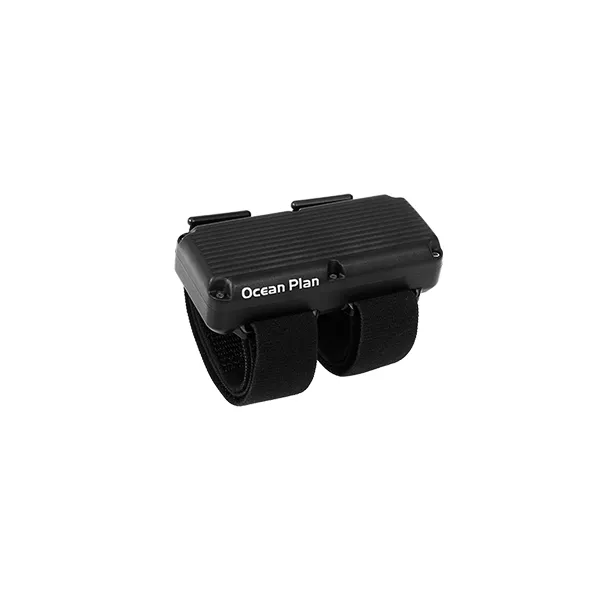
In the world of professional diving, precision, awareness, and safety are inseparable. Whether performing rescue missions, conducting marine research, or maintaining underwater infrastructure, divers face extreme conditions where visibility is limited, and communication is often disrupted.
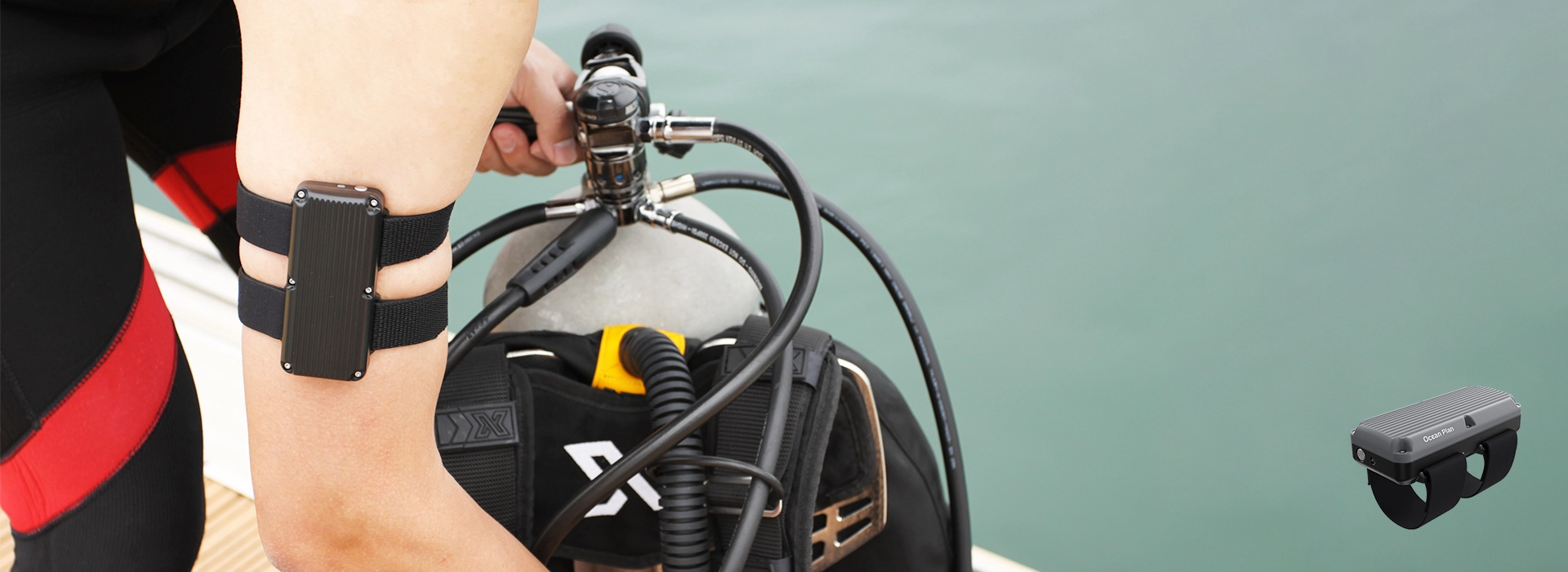
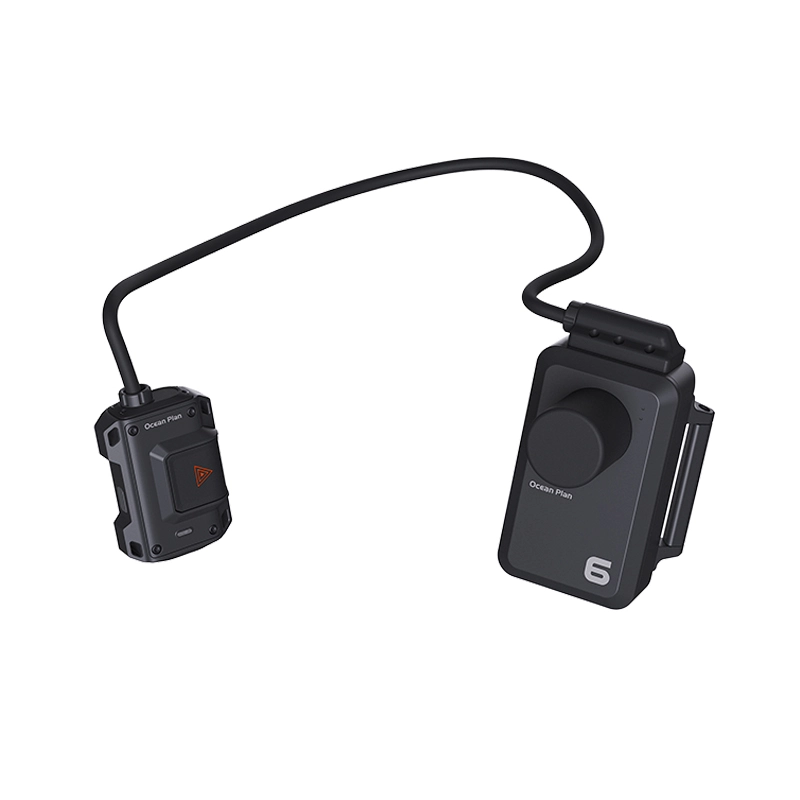
An underwater physiological monitor plays a crucial role in bridging this gap by providing real-time physiological data to both divers and surface teams. This continuous flow of information ensures that any irregularities in a diver's condition—such as heart rate, or other abnormal state—are detected immediately, allowing rapid responses to potential hazards. Ocean Plan, a leading innovator in underwater communication and positioning technology, has developed advanced underwater physiological monitoring systems designed specifically to enhance operational safety and efficiency for dive teams working in challenging aquatic environments.
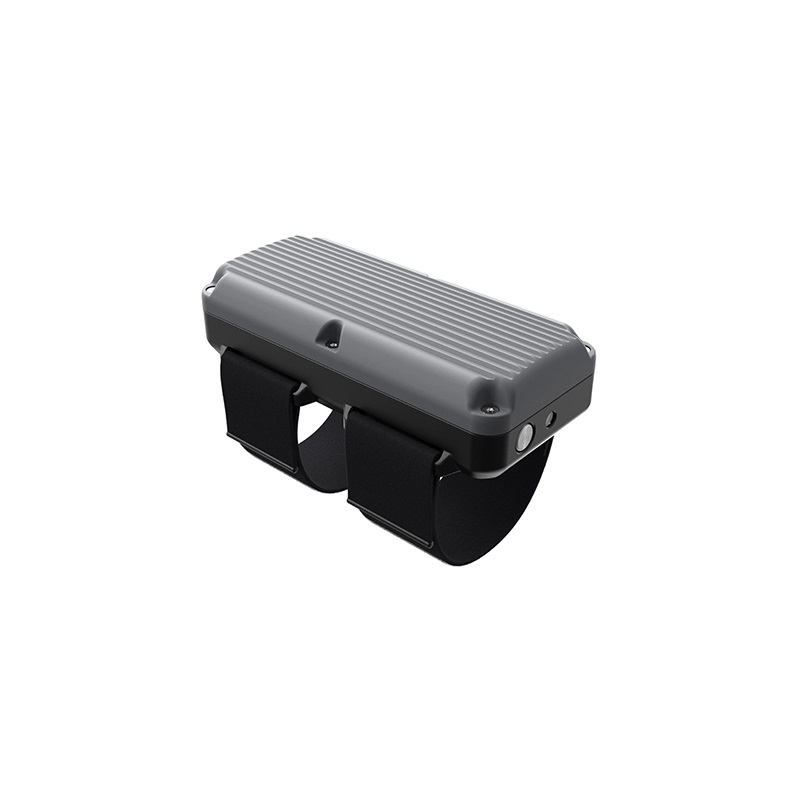
Safety under the surface depends on awareness—both of the diver's body and the surrounding conditions. An underwater physiological monitor provides continuous tracking of vital signs, helping to prevent danger during deep or extended dives. It also transmits this data to the surface in real time, enabling dive supervisors to make informed decisions. For instance, if a diver's heart rate shows unusual fluctuations, surface operators can intervene immediately, ensuring that safety measures are taken before a problem escalates. By integrating physiological data, Ocean Plan's systems empower dive teams with the visibility and control necessary to reduce risk and ensure mission success.
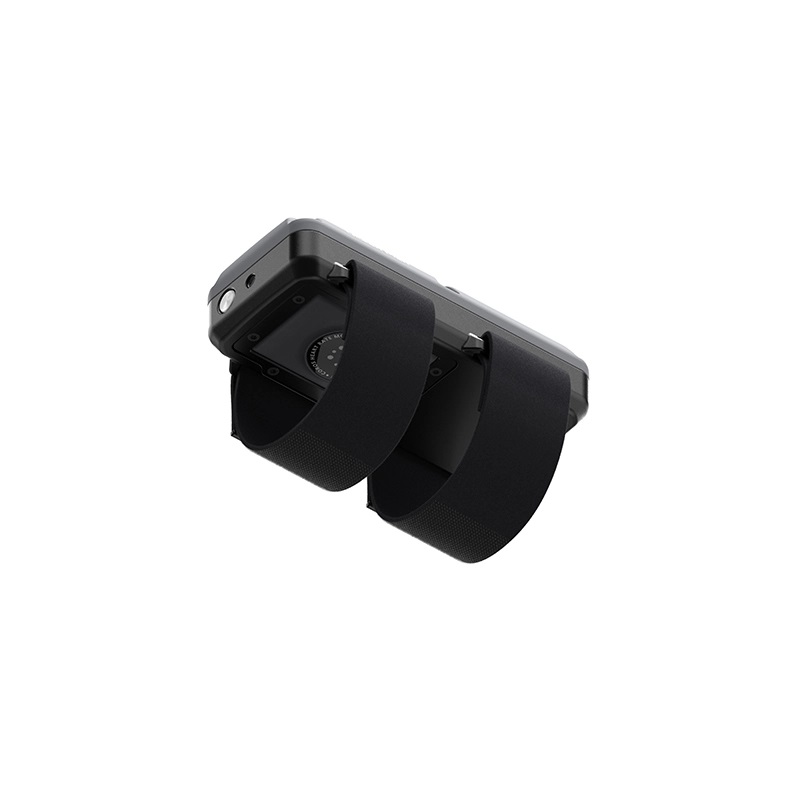
The versatility of an underwater physiological monitor makes it essential across various industries and missions. In public safety diving, the diver physiology monitoring system allows rescue teams to monitor multiple divers simultaneously, maintaining coordination and situational awareness during time-sensitive operations. For marine research, physiological data ensures that divers can operate for longer durations without compromising health. Fire brigades and emergency responders use underwater physiological monitors during disaster recovery missions, where rapid detection of danger can prevent accidents. In underwater engineering, monitoring assists with long-duration construction or inspection tasks, helping divers stay within a safe physical status. Through integration with Ocean Plan's communication and positioning systems, underwater monitors become an indispensable element of a connected diving ecosystem, ensuring that every dive is supported by data-driven insight. Advanced solutions for diver vital signs monitoring further improve underwater safety by providing real-time awareness of divers' physical conditions during demanding operations.
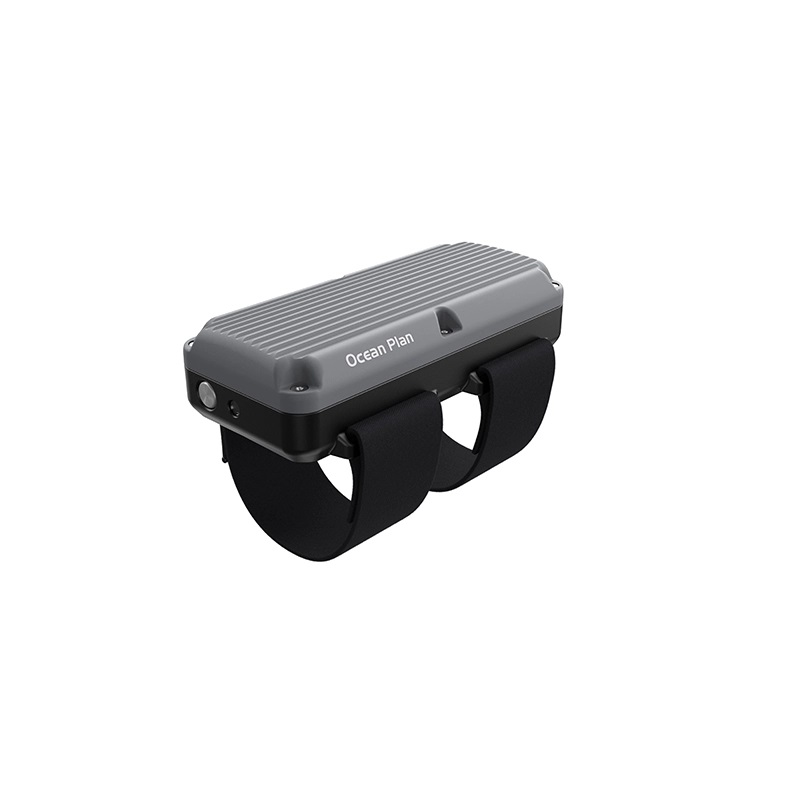
Feature | Traditional Diving Instruments | Modern Underwater Monitor |
Data Type | Limited (depth, pressure) | Comprehensive (vital signs) |
Real-Time Feedback | Manual observation | Automatic transmission to surface |
Health Tracking | None | Heart rate |
Communication | Basic or one-way | Integrated two-way data sharing |
Decision Support | Reactive | Proactive and predictive |
This shift from reactive to proactive safety enables dive teams to anticipate problems rather than merely respond to them. Ocean Plan's monitoring systems embody this advancement, merging technology and human awareness into a unified safety framework that protects divers in real time.
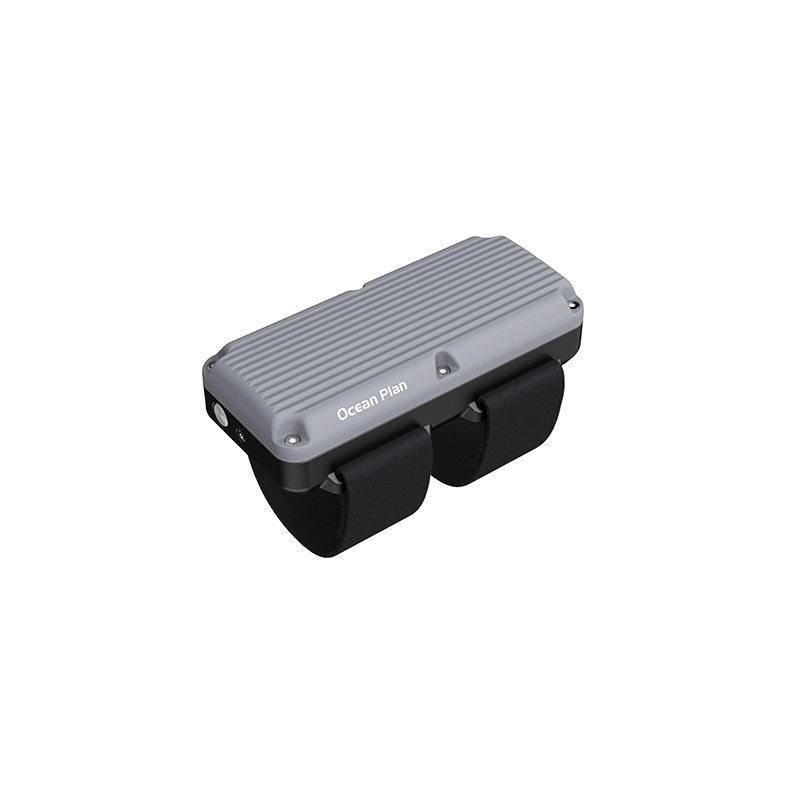
As diving operations grow increasingly complex, the demand for smarter, more responsive monitoring solutions continues to rise. The evolution of the underwater monitor is moving toward complete integration with wearable sensors, AI-based analysis, and networked communication platforms. This next generation of technology will enable real-time decision-making, predictive safety alerts, and personalized dive management systems. By combining environmental and physiological awareness, divers and supervisors will gain an unprecedented understanding of underwater conditions and human performance. Companies like Ocean Plan are driving this transformation, ensuring that underwater missions are not only more efficient but also fundamentally safer for those who undertake them.