When it comes to exploring the underwater world efficiently and safely, choosing the right scuba dpv (scuba diver propulsion vehicle) is a decision that impacts every dive—whether you’re a casual recreational diver, a technical cave explorer, or a professional in rescue, research, or offshore engineering. In 2026, the market is flooded with options, from compact scuba scooter and underwater sea scooter models to
high-performance dpv diver propulsion vehicle units designed for heavy-duty use. This guide goes beyond basic advice to deliver actionable insights, helping you navigate the differences between scuba diving propulsion systems, compare top brands, and find the perfect fit for your mission.
The first step in choosing a scuba diver propulsion vehicle is to align it with your specific diving goals. A dive scooter that works for a casual snorkeler will not meet the demands of a professional rescue team, just as a heavy-duty scuba dpv will be overkill for someone exploring coral reefs on vacation. Below, we break down the key criteria for each diving type, with clear specs to guide your choice.
Recreational divers prioritize portability, ease of use, and affordability—look for a lightweight scuba scooter (300–500N thrust, ≤30m depth) that’s easy to transport. Technical divers (cave/wreck diving) need a robust scuba dpv with strong thrust (600–800N), deep depth ratings (70m+), and high load capacity to handle heavy gear like twin tanks.
Commercial/professional teams (rescue, offshore engineering) require dpv scuba diving units with reliability, long runtime (90+ mins), and advanced features (navigation, communication). Underwater photographers need a scuba diver propulsion vehicle with smooth acceleration and neutral buoyancy to keep hands free and shots steady.
The battery is the heart of any scuba dpv—it determines runtime, portability, and usability. We cut through the hype to focus on what matters most for divers, from aviation compliance to real-world runtime.
Lithium-ion batteries are the standard for modern scuba scooter and dpv diver propulsion vehicle units (high energy density, lightweight). For international divers, choose UN38.3 certified batteries or models with removable batteries to avoid aviation restrictions.
Ignore manufacturer’s nominal runtime—calculate based on your typical speed and gear weight. Proper maintenance (avoid extreme temps, regular rinsing) will extend battery life, while removable batteries add convenience for frequent travelers.
Thrust, speed, and load capacity are make-or-break for scuba diving propulsion—we provide clear thresholds for each diving type, so you never overpay for unneeded performance or settle for too little.
Recreational divers: 300–500N thrust, 8–12kg load. Technical/professional divers: 700N+ thrust, 20kg+ load. Overloading your scuba dpv will drain the battery faster and reduce reliability.
Adjustable speed gears matter more than maximum speed (critical for team diving). Always test your scuba diver propulsion vehicle firsthand—check maneuverability, speed control, and how it handles your gear.
Ergonomics directly impact diving fatigue and safety. A well-designed scuba dpv should be easy to handle, neutrally buoyant, and balanced—even during long dives.
A quality underwater sea scooter is neutrally buoyant (no sinking/floating) to reduce fatigue. On-land weight matters too—recreational divers should aim for ≤10kg, while professionals may need heavier units (15–30kg) for performance.
One-hand operation is essential for dpv scuba diving (freeing the other hand for gear/communication). Look for ergonomic triggers and balanced design to maintain a horizontal posture, reducing drag and gas consumption.
Reliability is non-negotiable—especially for professionals. We break down sealing technology, after-sales service, and maintenance to help you choose a scuba dpv that’s built to last.
Magnetic coupling (more reliable, no wear) is ideal for professional scuba diver propulsion vehicle units; mechanical seals work for recreational use. Prioritize manufacturers with a global service network and 24/7 support.
Choose a scuba scooter with readily available consumables (O-rings, propellers) to avoid delays. Follow a simple maintenance checklist (rinse, dry, inspect seals) to extend your DPV’s lifespan.
Safety is paramount, but training should complement—not replace—reliable equipment. We focus on critical safety features and actionable training tips for all divers.
Look for anti-entanglement propeller design, torque limitation, and emergency cutoff—critical redundancies for safe scuba diving propulsion. Low battery alerts and fault reminders add extra protection.
DPV training focuses on emergency response and efficiency (not just “don’t dive blindly”). For team diving, establish clear communication and match speeds to ensure safety and coordination.
We compare top scuba dpv brands objectively, focusing on specs, user feedback, and value—so you can make an informed decision without the hype.
Brands fall into recreational (Lefeet), professional (SUEX, Sea-Doo), and balanced (OceanPlanTech) categories. Below is a clear comparison of key specs to guide your choice.
Brand | Model | Max Thrust | Max Depth | Runtime (Medium Speed) |
Sea-Doo | Explorer Pro | 700N | 70m | 90 mins |
SUEX | XR Series | 800N+ | 100m+ | 120 mins |
Lefeet | S1 Pro | 300N | 30m | 60 mins |
OceanPlan | UV-Pro | 750N | 80m | Power Supply Expansion |
SUEX excels in performance but is costly; Sea-Doo is reliable but pricey; Lefeet is portable but unfit for professionals. OceanPlanTech balances professional specs (700N thrust) with affordability, making it ideal for teams seeking value without sacrificing quality.
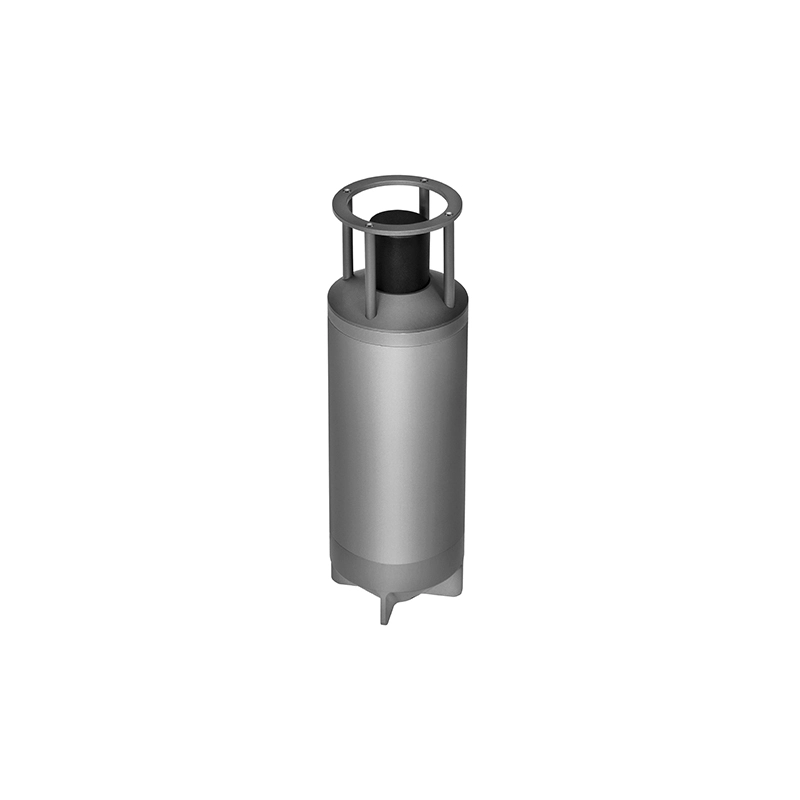
After evaluating top scuba dpv brands, OceanPlan’s UV-Pro stands out for its versatility, reliability, and value—perfect for both recreational and professional divers.
The UV-Pro features magnetic coupling, neutral buoyancy, and 24/7 global support for long-term reliability.
Suitable for rescue, research, technical diving, and casual use, the UV-Pro is designed to adapt to your mission. We prioritize transparency—from clear specs to accessible maintenance, ensuring you get the most out of your scuba diving propulsion investment.